
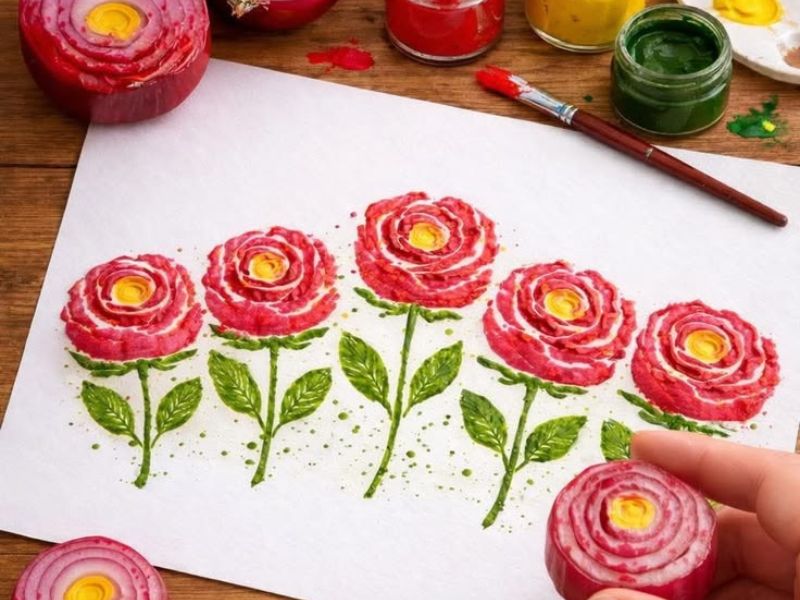
This Post Will Show You 20 Easy Flower Activities for Preschoolers to Make and Learn.
Flowers have a funny way of making children stop and look. A tiny yellow bloom beside the walkway, a fallen petal on the ground, or a bright flower growing in the garden can quickly become the beginning of a dozen questions. What colour is it? Why does it smell that way? Where did it grow? Can we make one ourselves?
That natural curiosity makes easy flower activities for preschoolers such a lovely way to combine creativity, play, and early learning. Instead of simply telling children about flowers, these activities let them touch, sort, paint, count, arrange, and create. As a result, learning feels less like a lesson and more like something they discovered themselves.
The good thing is that you do not need an expensive craft cupboard to get started. Paper, crayons, washable paint, leaves, petals, cardboard, glue, recycled containers, and a few safe items from around the home can become wonderful activity materials. Better still, many of the ideas can be adjusted for different ages and attention spans.

Even if you are planning a classroom activity, a quiet afternoon at home, or a simple weekend project, these flower ideas give children plenty of opportunities to make something while learning something too.
Got air-dry clay sitting around with no clear plan? Air Dry Clay Crafts for When You Have Clay but No Idea What to Make—For Keeps or Display gives you plenty of ways to put it to use.
Why Flower Activities Are So Good for Preschool Learning
Building curiosity through flowers
Children do not need complicated explanations to become interested in flowers. Sometimes, simply placing several flowers in front of them is enough to get the questions started.
With easy flower activities for preschoolers, you can encourage that curiosity instead of rushing past it. Ask children what they notice. Is one flower taller? Does another have more petals? Which one feels soft? Which colours can they see?
Those simple questions encourage observation and communication. They also give children a chance to describe what they see using their own words.
For more hands on learning that uses ordinary household materials, take a look at Sensory Activities for Nursery Children Using Everyday Items to Support Early Learning
Supporting fine motor skills
Cutting, painting, pressing, gluing, threading, and arranging all require children to use their hands carefully.
Flower activities are particularly useful because many of them involve small movements. Picking up petals, placing them around a paper circle, holding a crayon, or dabbing paint onto paper helps children practise hand control.
The goal is not perfection. A slightly uneven flower is still a successful flower.
What matters is that the child is practising movements that will later support drawing, writing, dressing, and other everyday tasks.
Connecting children with nature
A flower activity can also be the reason a child spends more time outdoors.
Instead of simply walking through the garden, children can look closely at the plants around them. They can notice colours, shapes, insects, leaves, stems, and different textures.
For families interested in creating more opportunities for children to enjoy outdoor spaces DIY Gardening Ideas for Small Spaces and Tiny Backyards offers useful inspiration for making even a small garden more inviting.
Making learning feel playful
Preschoolers learn beautifully through play because play gives them room to experiment.
If a child makes a purple flower instead of a yellow one, that is not a problem. If their petals are enormous, that is part of the fun. If they decide their paper flower is actually a magical flower that grows candy, let the story develop.
That freedom is what makes easy flower activities for preschoolers so useful. Children can practise real skills while still feeling that they are simply playing.
20 Flower Activities for Preschoolers to Make and Learn
1. Paper Plate Flower Garden
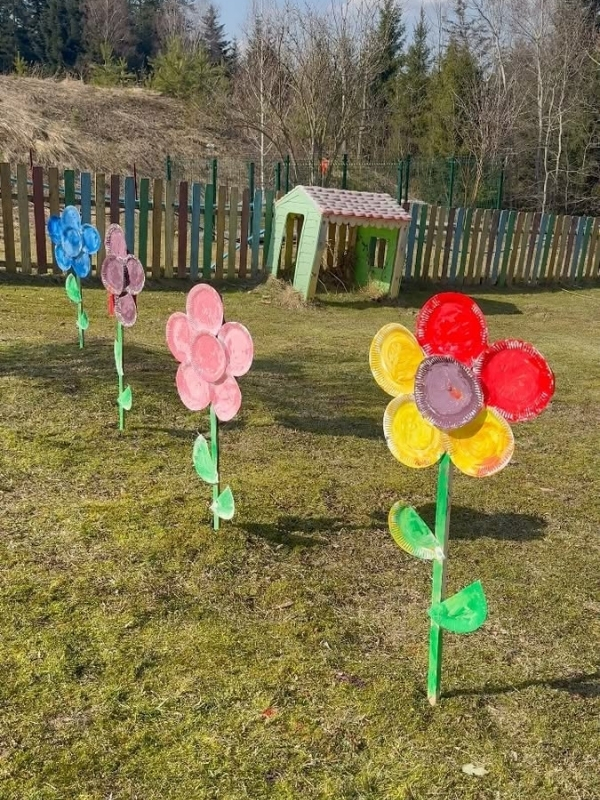
A paper plate can become a colourful little garden with very little preparation.
Give each child a paper plate, crayons or washable paint, coloured paper, scissors, and glue. Help them create flowers using circles, triangles, or simple petal shapes. They can then draw grass across the bottom of the plate and add stems, leaves, clouds, butterflies, or sunshine.
This is one of those easy flower activities for preschoolers that gives children plenty of creative freedom while still being simple enough for a classroom.
For younger children, prepare the flower pieces in advance. Older preschoolers can practise cutting their own petals with child safe scissors under adult supervision.
While making the garden, talk about what plants need to grow. Ask children whether flowers need water, sunlight, soil, or air.
You can even turn the finished plates into a classroom garden wall. Place the children’s names beside their artwork and let everyone see how differently the same basic activity can turn out.
For another outdoor activity that encourages children to explore their surroundings, try DIY Water Table for Kids That Creates the Cutest Backyard Playtime
2. Flower Petal Colour Sorting
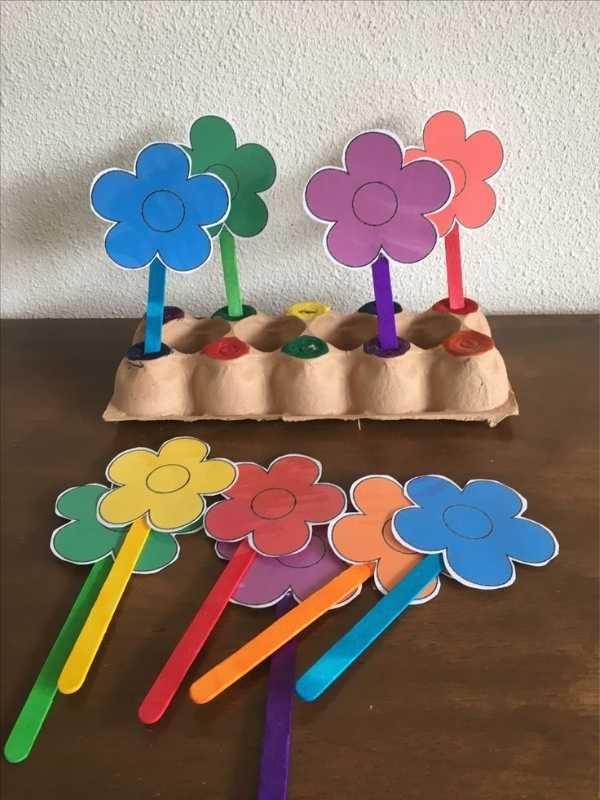
This activity is excellent when you want something simple that also introduces early maths concepts.
Collect safe fallen petals in several colours. You can use petals from flowers you already have at home, or use paper petals if you prefer not to collect real ones.
Place the petals on a tray and give children small bowls or sections of an egg carton. Ask them to sort the petals according to colour.
Once they understand the basic idea, make it slightly more challenging. Ask them to count how many petals are in each group. Then ask which colour has more and which has fewer.
These easy flower activities for preschoolers can introduce sorting, counting, comparison, and colour recognition without turning the activity into formal schoolwork.
You can also ask children to make patterns such as pink, yellow, pink, yellow.
If you want to extend the activity, create a simple flower sorting chart on paper. Children can glue one petal from each colour into the correct section.
Add a small handmade touch to shelves, desks, or windowsills with Mini Terra Cotta Pots Crafts for Cute Budget-Friendly DIY Home Decor.
3. Handprint Flower Garden

Handprint crafts are always a favourite because children get to become part of the artwork.
For this activity, paint the child’s palm and fingers with washable paint, then carefully press the hand onto paper. The fingers become the petals of a flower.
Once the print dries, add a green stem and leaves using paint, crayons, or coloured paper.
You can create one large flower or several flowers across the page. Children can also choose different colours for each handprint.
This is one of the easy flower activities for preschoolers that works particularly well as a keepsake because the finished picture captures the size of a child’s hand at that moment.
Write the child’s name and date somewhere on the page. You could also add a short sentence such as, “My little garden.”
For older children who want something more advanced Fun DIY Crafts for Teens: Creative and Trendy Projects That Actually Feel Cool to Make offers ideas that move beyond preschool level projects.
4. Flower Petal Counting Game
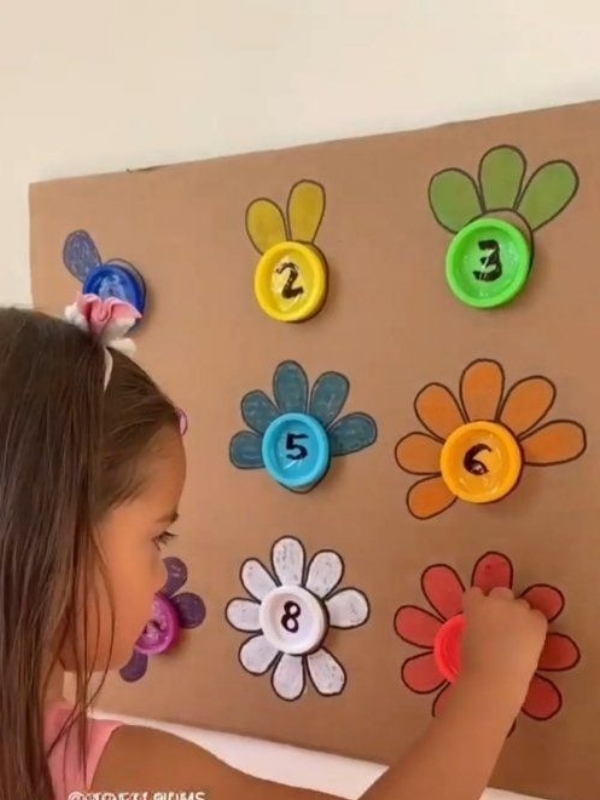
Turn flower petals into a simple counting game.
Cut out several paper flowers in different sizes. Give each flower a number from one to ten. Then provide children with loose paper petals.
The child has to place the correct number of petals around each flower.
For example, a flower marked with the number four needs four petals. A flower marked with seven needs seven.
This activity helps children connect written numbers with quantities. It also gives them plenty of opportunities to practise one to one counting.
These easy flower activities for preschoolers are particularly helpful for children who learn better when they can physically move objects rather than simply look at numbers on a worksheet.
You can make the game easier by using numbers one to five. For children who are ready for more, go up to ten or even fifteen.
Keep the flowers colourful and let children choose their own petal colours. That small choice makes the activity feel more like a game than an exercise.
You can also explore How to Make Crafts: 20 Easy Crafts to Sell and Make Profits From Home for broader DIY inspiration.
5. Flower Painting With Cotton Buds
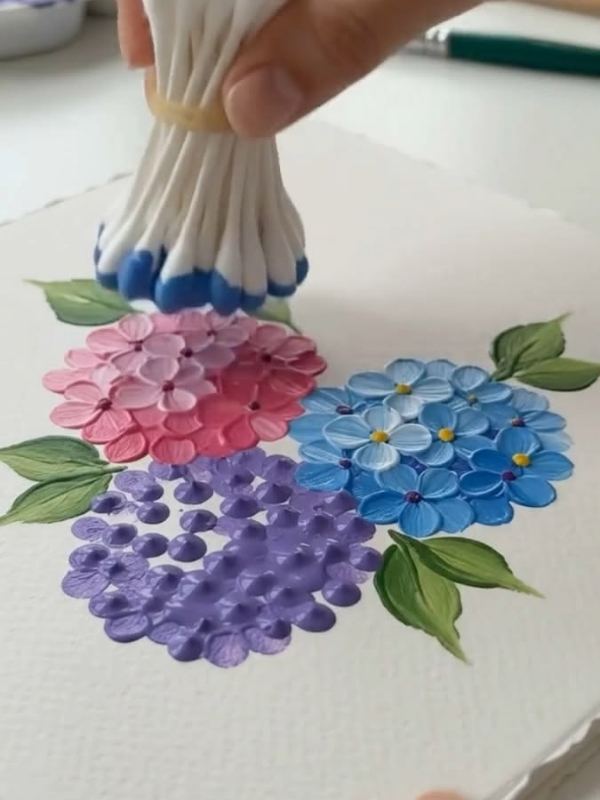
Cotton buds can become tiny paintbrushes for creating flower petals.
Give each child paper, washable paint, and several cotton buds. Start by showing them how to place small dots around a central circle.
The dots quickly become petals.
Children can create daisies, colourful imaginary flowers, flower fields, or even entire gardens. There is no need to make every flower look realistic.
This is one of the easy flower activities for preschoolers that works especially well for practising controlled hand movements.
You can also use different colours and ask children to create repeating patterns. For example, they might use three pink dots followed by three yellow dots.
Once the paint dries, add green stems and leaves with crayons.
If your child enjoys making things with their hands, you can extend the creative session with How to Make Crafts: 20 Easy Crafts to Sell and Make Profits From Home which includes several simple craft projects and painted flower pot ideas.
6. Flower Nature Collage
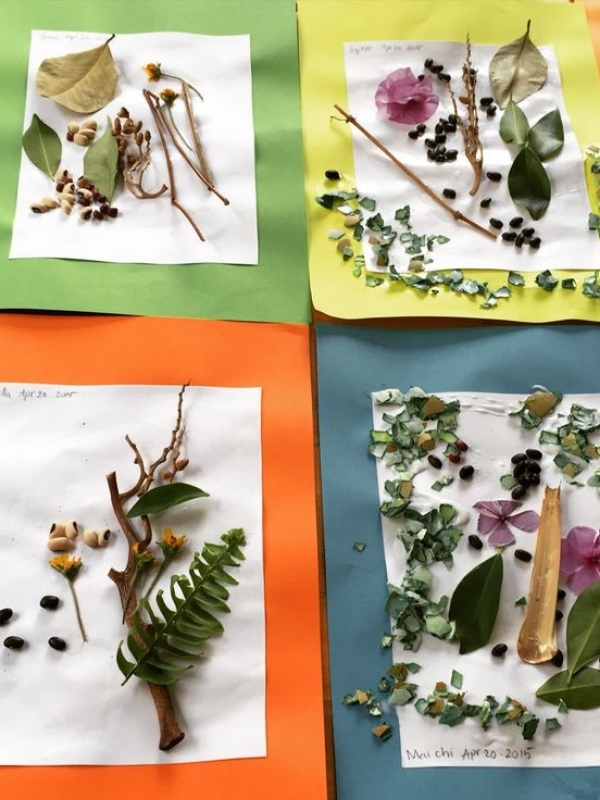
A nature collage is perfect for children who enjoy collecting little treasures outdoors.
Take a short supervised walk and collect safe fallen leaves, petals, small twigs, and other natural materials. Avoid unknown plants, sharp objects, or anything that could irritate the skin.
Back at the table, give children a sheet of thick paper and some child friendly glue. Let them arrange the materials however they like.
They might create a large flower, a garden scene, a butterfly, or an entirely imaginary creature.
These easy flower activities for preschoolers allow children to make artistic decisions while exploring real textures from nature.
Talk about the materials as you work. Is the leaf smooth or rough? Is the petal soft? Which item is heavier?
For families who love turning natural finds into keepsakes, How to Create a DIY Memory Box for Kids is another lovely idea, especially because pressed flowers and nature finds can become meaningful childhood memories.
7. Flower Stamping With Vegetables
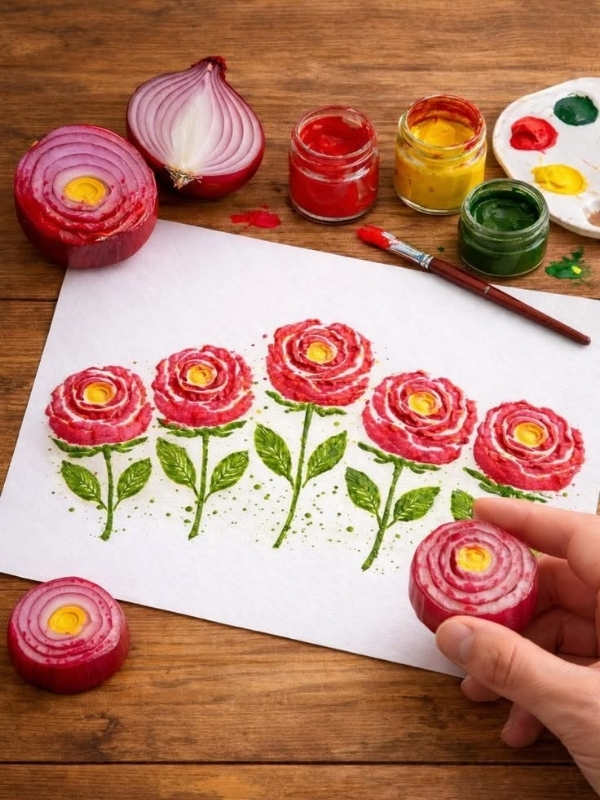
You do not always need a flower shaped stamp to make flower art.
Several vegetables can create interesting patterns when dipped lightly into washable paint. Okra is particularly useful because its cut surface can create a small flower like pattern.
Slice the vegetable beforehand and let the adult handle the cutting. Children can then dip the flat surface into paint and press it onto paper.
Add stems and leaves afterward with a green crayon or paintbrush.
These easy flower activities for preschoolers combine art with an opportunity to talk about food and plants.
Ask children whether the vegetable grows above the ground or below it. You can also talk about how some plants give us food while others give us flowers.
The finished page can become a colourful flower garden made entirely from repeated prints.
Try How to Crochet for Beginners: Everything You Need to Start Your First Project Today when looking for a craft project for an older child or adult.
8. Make a Flower From Recycled Cardboard
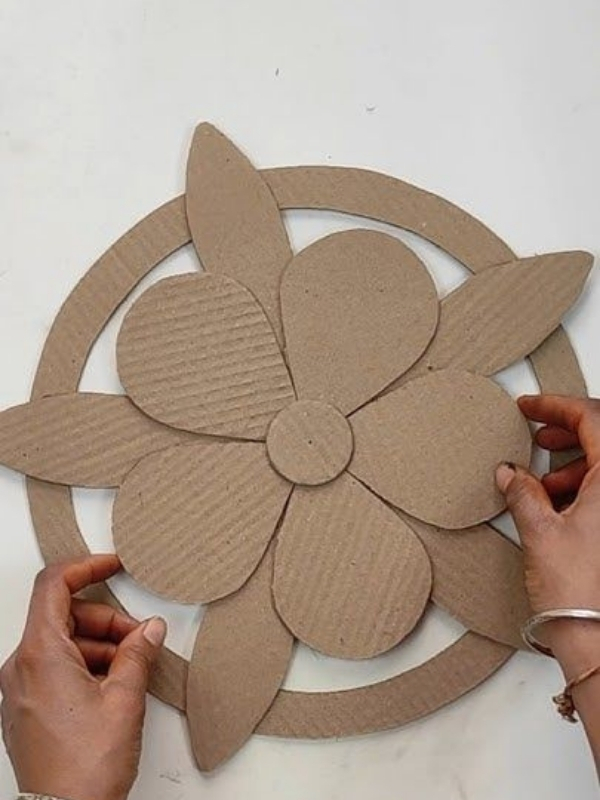
Save a few clean cardboard pieces from packaging and turn them into sturdy flowers.
Cut large simple flower shapes from the cardboard before the activity. Then let children paint them in bright colours.
Once dry, add details with crayons, stickers, paper scraps, or washable markers.
Children can glue the flowers onto sticks or cardboard stems to create a small garden.
These easy flower activities for preschoolers are useful when you want an activity that lasts longer than ordinary paper art. Cardboard flowers are stronger and can be used later for pretend play.
You could also turn them into decorations for a classroom reading corner or play area.
Encourage children to name their flowers. One might become a sunshine flower, while another could be a rainbow flower.
The storytelling that comes after the craft is just as valuable as the craft itself.
For autumn, try DIY Fall Wreath Craft for a Front Door: Autumn Decor for seasonal inspiration.
9. Flower Shape Matching Game
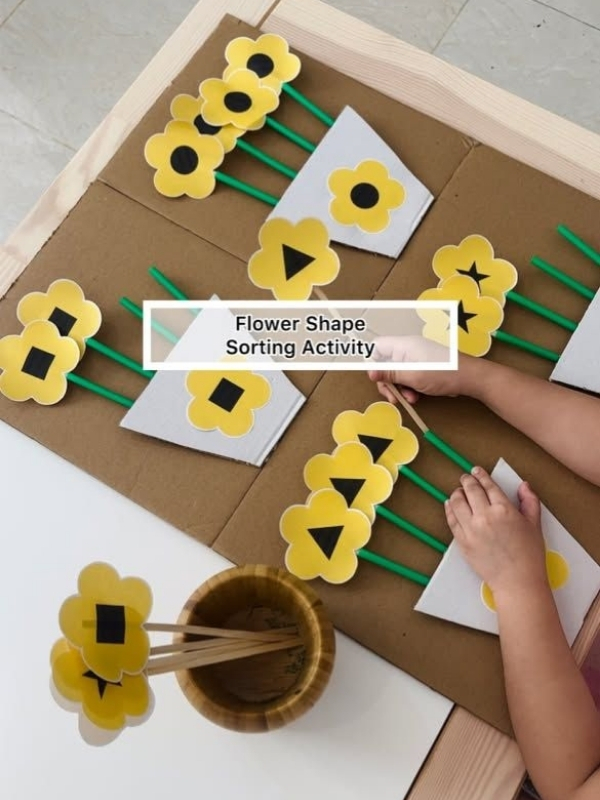
Create pairs of flowers using coloured paper.
Each pair should have the same shape and colour. Mix them up and place them face up on a table.
Children then search for matching flowers.
Once they understand the basic game, make it more challenging by introducing different sizes. They can match two large flowers, two small flowers, or flowers with the same number of petals.
These easy flower activities for preschoolers encourage visual discrimination, memory, attention, and early classification skills.
You can also turn the flowers into a simple classroom matching board. Attach one set to a large sheet of paper and give children the loose matching pieces.
For younger preschoolers, keep the number of flowers small. Too many pieces can become confusing.
For older preschoolers, introduce more colours and shapes gradually.
Give an empty wall a personal touch with DIY Wall Decor Ideas for Home That Are Easy, Beautiful, and Budget Friendly.
10. Build a Flower With Play Dough
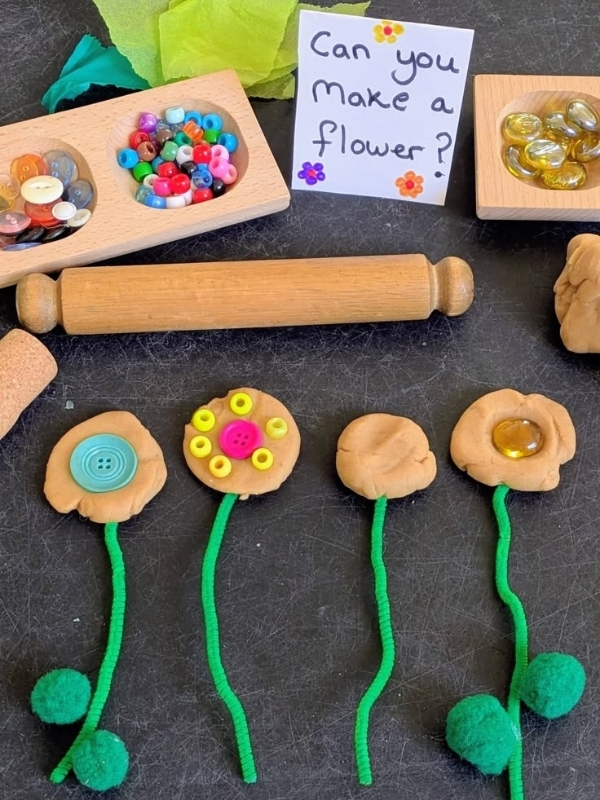
Play dough makes flower learning wonderfully hands on.
Give children several colours of play dough and encourage them to create their own flowers. They can roll small balls for petals, flatten them with their fingers, and place them around a centre.
Add green play dough for stems and leaves.
These easy flower activities for preschoolers strengthen finger muscles while encouraging creativity.
While children work, talk about the different parts of a flower. Introduce simple words such as petal, stem, leaf, and centre.
You do not need to expect children to remember every word immediately. Repeating the vocabulary naturally during play is enough.
You can also challenge children to make flowers with five petals, six petals, or eight petals. That turns the activity into a simple counting game too.
11. Flower Life Cycle Picture
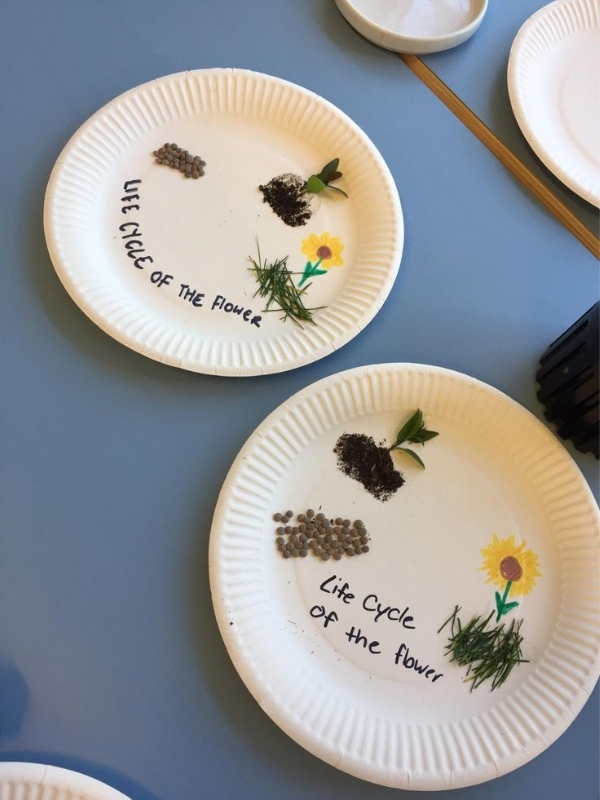
Preschoolers can learn about plant growth through a simple picture activity.
Prepare four basic stages on separate cards: seed, sprout, growing plant, and flower.
Let children arrange the cards in the correct order.
Afterward, they can draw their own flower life cycle on paper. Keep the drawings simple because the purpose is to understand the general idea rather than create scientifically detailed illustrations.
These easy flower activities for preschoolers are especially useful for introducing sequencing.
Ask questions such as, “What comes first?” and “What happens after the seed grows?”
You can also plant a real seed in a small container and allow children to observe it over time.
That makes the lesson even more exciting because they are watching the changes happen in real life.
12. Flower Scent Exploration

Flowers are not only something children can see. Some flowers have noticeable scents too.
For this activity, place a few safe, familiar flowers in separate containers. Let children smell them one at a time.
Ask them which scent they prefer. Does one smell sweet? Does another have almost no smell?
Avoid encouraging children to taste plants or touch unknown flowers. Adult supervision is important, especially when real plants are involved.
These easy flower activities for preschoolers are a gentle way to introduce sensory vocabulary.
You can create a simple chart using faces. Children can draw a happy face beside a scent they like and a neutral face beside one they do not.
The activity can become a conversation about how everyone experiences smells differently.
13. Make a Flower Sun Catcher
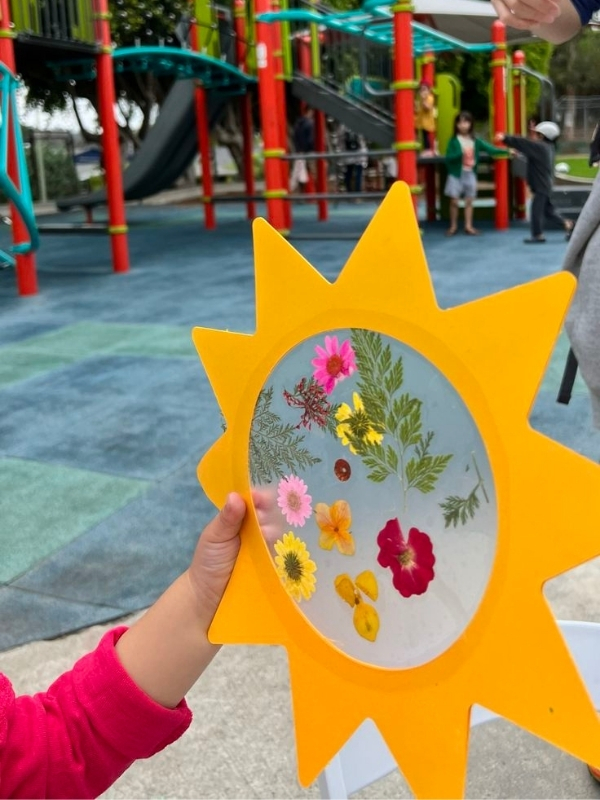
A flower sun catcher is a beautiful way to turn petals into window art.
Use clear contact paper or another child safe transparent craft material. The adult should prepare the sticky surface first.
Children can arrange colourful petals and small leaves across it. Once they are happy with the arrangement, cover it with another clear layer.
Hang the finished piece near a window.
These easy flower activities for preschoolers are particularly lovely because the finished craft changes when sunlight passes through the petals.
You can talk about colours, light, transparency, and patterns while children work.
Encourage them to arrange the petals into simple designs rather than worrying about making a perfect picture.
For more nature based craft inspiration, Garden Crafts for Preschool: Fun and Easy Nature Projects for Kids has additional ideas using leaves, flowers, sticks, and other outdoor materials.
14. Flower Number Garden
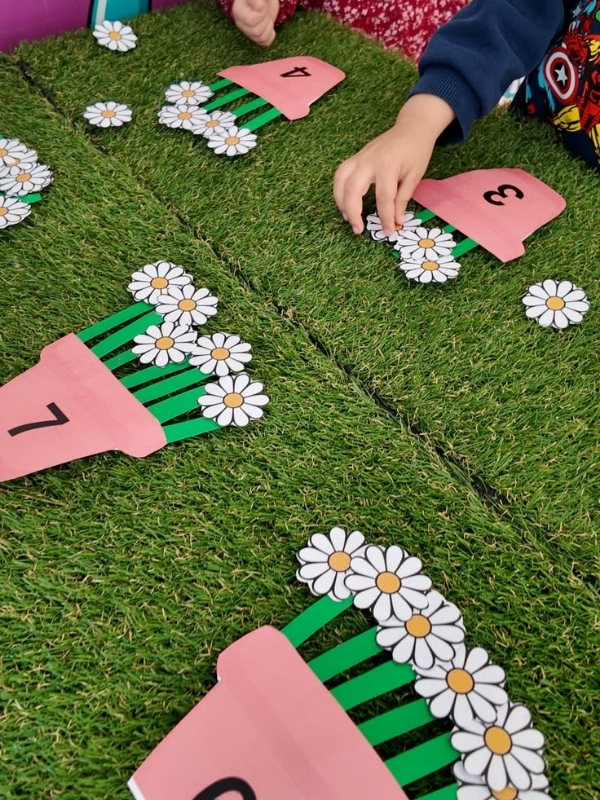
Create a pretend garden filled with paper flowers.
Write a number on each flower. Then give children small paper leaves or petals.
Ask them to place the correct number of pieces beside each flower.
For example, a flower labelled five needs five leaves.
These easy flower activities for preschoolers combine number recognition with a familiar nature theme, making early maths feel more approachable.
You can make the game cooperative too. One child chooses the flower, another counts the pieces, and another checks the answer.
For children who already know numbers well, introduce simple addition. A flower with two petals can gain three more. How many are there now?
Keep the numbers small so the activity remains playful.
Start with Hand Crafts for Seniors With Limited Mobility That Are Creative, Practical, and Worth Making for gentle project ideas that pair well with a slower, more relaxed crafting pace.
15. Flower Garden Sensory Tray
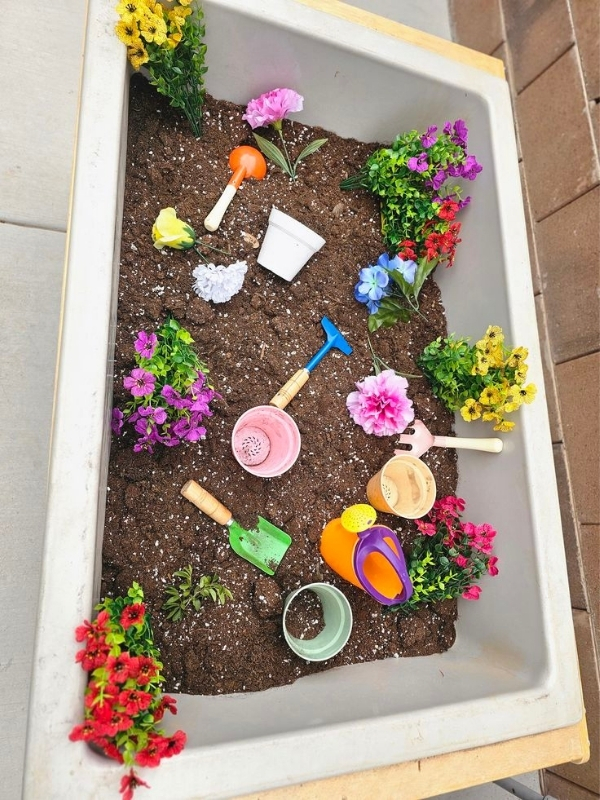
Create a sensory tray using safe materials such as large artificial flowers, leaves, fabric petals, large scoops, cups, and containers.
Children can sort the items, move them from one container to another, arrange them into gardens, or simply explore the textures.
Avoid small pieces that could become choking hazards for children who still put objects in their mouths.
These easy flower activities for preschoolers are excellent for open ended play because there is no single correct outcome.
You can quietly add learning prompts while they play.
Ask them to find something soft. Then something green. Then something large.
You can also encourage pretend play by asking them to create a flower shop, garden centre, or pretend bouquet station.
16. Seasonal Flower Handprint Bouquet

Once the non seasonal activities are finished, seasonal flower crafts can make a lovely addition to the list.
For a spring or Mother’s Day inspired activity, create handprint flowers in several colours. Each handprint becomes a flower head.
Paint or draw green stems beneath them and arrange the flowers into a bouquet.
These easy flower activities for preschoolers work well as gifts because every child’s handprint is naturally different.
Write a small message underneath the bouquet and add the child’s name and age.
You can also make a birthday version using the child’s favourite colours.
The important part is keeping the craft personal rather than trying to make it look exactly like an adult made it.
If you enjoy working with natural, organic shapes like this, What Can You Make With a Lump of Clay? 11 Easy Clay Ideas Worth Trying explores a similar leaf inspired project made from clay instead of paper.
17. Spring Flower Greeting Card
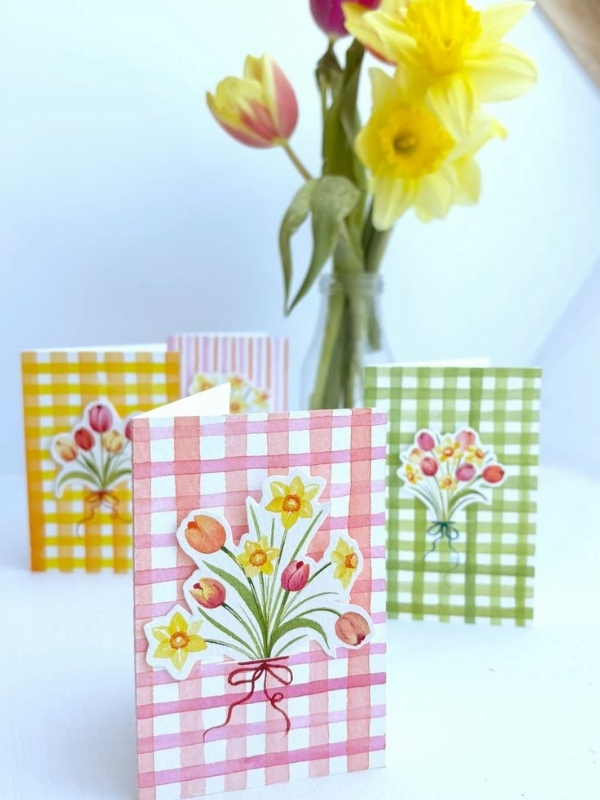
Fold a piece of cardstock into a simple card.
Children can decorate the front with paper flowers, painted petals, stickers, or fingerprints.
Inside, help them write a short message to someone they love.
This is one of the easy flower activities for preschoolers that combines creativity with early communication skills.
For children who cannot write yet, let them dictate the message while an adult writes it down.
They can then sign their name or add a small drawing.
This activity works beautifully for spring celebrations, Mother’s Day, birthdays, thank you cards, or simply sending a little happiness to someone.
For textured handmade projects, Textured Crochet Stitches to Give Your Projects More Depth and Dimension offers another creative direction.
18. Flower Pot Decorating
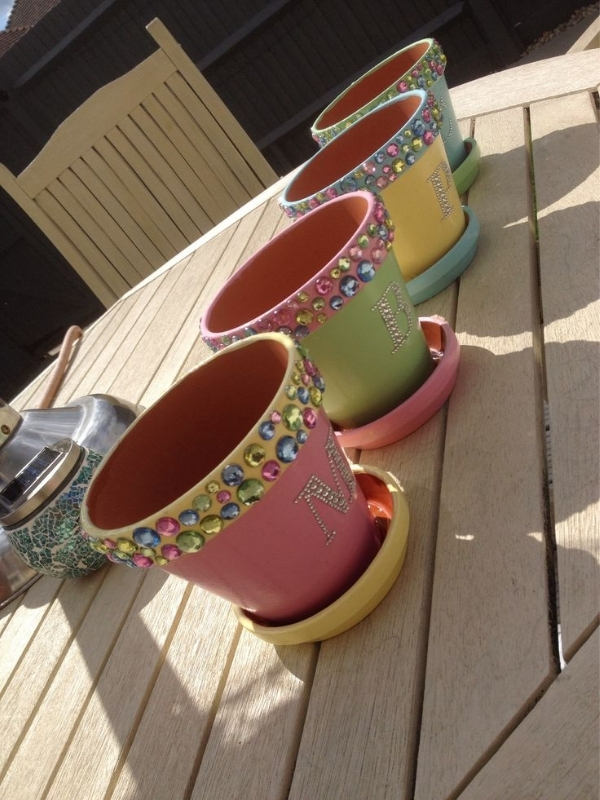
Give each child a small plain pot or a safe recycled container.
Let them decorate it with flower drawings, dots, stripes, leaves, or their own patterns.
Once the paint is completely dry and the container is suitable for planting, add soil and a small plant or flower.
These easy flower activities for preschoolers give children something to care for after the craft is finished.
They can help water the plant and observe changes over time.
19. Fall Flower and Leaf Collage
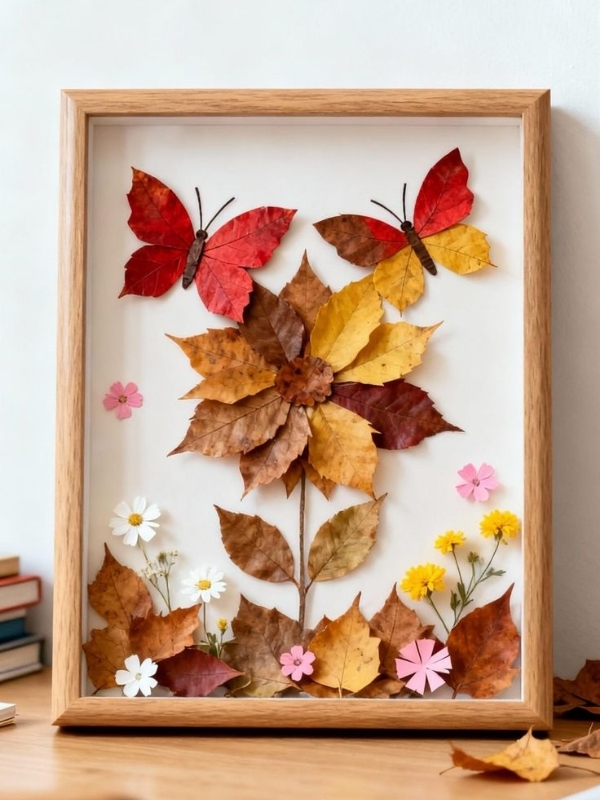
Autumn can bring its own version of flower play.
Collect fallen leaves and petals and let children arrange them into flowers, wreaths, trees, or imaginary creatures.
Use brown, orange, yellow, red, and green materials for a seasonal look.
These easy flower activities for preschoolers are a wonderful way to show children that nature changes throughout the year.
You can ask them what looks different outside during autumn.
They may notice that leaves change colour or that some flowers are no longer blooming.
For another seasonal keepsake idea, How to Make Easy Fall Handprint Crafts for Kids has more autumn inspired projects that can complement a flower collage.
20. Flower Footprint Garden
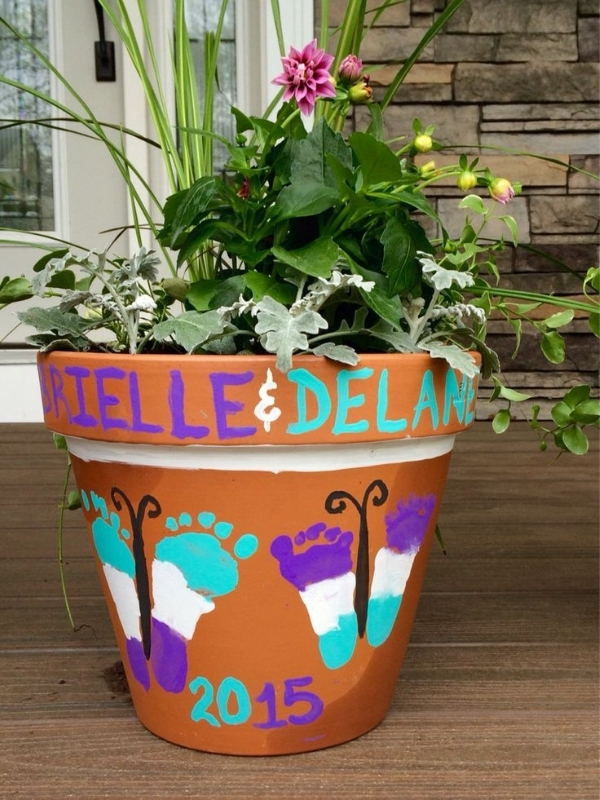
Finish the list with a keepsake that children will love making.
Paint the bottom of a child’s foot with washable, non toxic paint and carefully press it onto paper. Once dry, turn the footprint into a flower or flower pot.
Add a stem, leaves, and a simple garden background.
These easy flower activities for preschoolers create a funny and memorable picture because the flower is made from the child’s own footprint.
For safety, use suitable washable paint and supervise the entire activity.
You can write the child’s name, age, and date on the finished artwork.
If you enjoy footprint keepsakes, How to Make Pumpkin Footprint Art with Kids for an Easy Fall Keepsake shows another way footprint art can become a special childhood keepsake.
How to Make Flower Activities Easier for Preschoolers
Keep the setup simple
Preschool activities do not need twenty different supplies.
In fact, too many choices can sometimes make the activity harder. Pick a few materials and place them within reach.
Paper, washable paint, crayons, glue, scissors, and natural materials can cover many of the ideas in this article.
When the setup is simple, children spend more time creating and less time waiting.
Let children make choices
Give children some control over their projects.
Let them choose the flower colour. Let them decide whether their garden has three flowers or ten.
Those little choices help children feel involved.
They also make every finished craft look different, which is exactly what you want.
Do not correct every little detail
A preschool flower does not need to look like a real flower.
If the child makes blue petals and a purple stem, let it happen.
If they put the leaves above the flower, that is fine too.
Correcting every detail can make creative play feel like a test.
Instead, ask questions. “Tell me about your flower.” “What does it need to grow?” “What did you use for the petals?”
That approach encourages children to explain their thinking.
Simple Supplies for Flower Activities
Most of these activities can be made with materials you probably already have.
Basic craft supplies
Keep paper, cardboard, washable paint, crayons, markers, child safe scissors, glue, cotton buds, play dough, stickers, and paper plates nearby.
You do not need every colour.
A few basic shades can be mixed or used creatively.
Nature materials
Leaves, fallen petals, small sticks, and safe natural materials can make flower activities feel more connected to the outdoors.
Collect only materials that are safe and familiar.
Do not let children pick or handle unknown plants.
Recycled materials
Cardboard boxes, clean food containers, paper rolls, egg cartons, and packaging can become flower pots, garden scenes, flower shapes, and activity trays.
Using recycled materials also gives children an early lesson about reusing things instead of immediately throwing them away.
Frequently Asked Questions
What are the best flower activities for preschoolers?
The best activities are usually simple, hands on, and flexible. Paper flowers, petal sorting, flower stamping, handprint flowers, flower counting games, play dough flowers, nature collages, and flower painting are all excellent choices.
What can preschoolers learn from flower activities?
Children can learn colours, shapes, counting, sorting, sequencing, vocabulary, observation, fine motor control, creativity, and basic ideas about nature. Easy flower activities for preschoolers can also encourage communication because children naturally want to explain what they have created.
Can I do flower activities without real flowers?
Absolutely. Paper, cardboard, play dough, washable paint, recycled materials, and stickers can all be used to create flower activities. This can actually make the activities easier because the materials are available all year.
How can I make flower activities educational?
Add simple questions and challenges while children create. Ask them to count petals, identify colours, compare sizes, arrange flowers from smallest to largest, or explain what a plant needs to grow.
Are flower crafts suitable for a classroom?
Yes. Many flower crafts work particularly well in classrooms because children can complete individual projects while still learning together. Activities such as flower counting, colour sorting, group garden murals, and nature collages are easy to adapt for several children.
How do I keep preschoolers interested in craft activities?
Keep the activity short enough for their attention span, offer choices, avoid making the craft too complicated, and allow children to add their own ideas. If they finish early, let them turn the craft into pretend play or storytelling.
What should I do with the finished flower crafts?
You can display them on a wall, create a classroom garden, use them as decorations, give them to family members, or store special pieces in a memory box. A simple date and name written on the back can make the artwork much more meaningful later.
Can flower activities be done outdoors?
Definitely. Outdoor flower activities can include collecting fallen petals, observing flowers, making nature collages, watering plants, arranging natural materials, and creating garden inspired artwork.
Conclusion
Flowers give preschoolers so many little things to notice, and that makes them perfect for creative learning.
A simple petal can become part of a collage. A handprint can become a colourful flower. A few pieces of paper can turn into a garden. Even counting petals can become a fun game when children are given the freedom to explore.
The best part about easy flower activities for preschoolers is that they do not require perfection. They simply give children an opportunity to make, touch, observe, count, imagine, and talk.
So gather a few simple supplies, step outside when you can, and let the children take the lead. Their flowers may not look perfect, but they will be theirs. And sometimes those slightly messy, colourful creations become the pieces you are happiest to keep.

