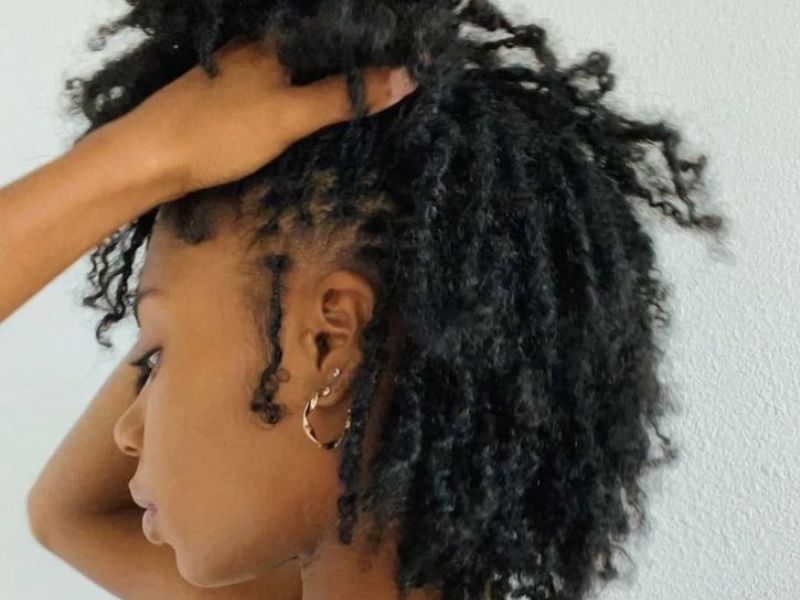

New growth showing sooner than you expected? Find out how to keep your locs looking neat between retwists without putting extra stress on your roots.
A fresh retwist can make locs look incredibly polished, but that neat appearance naturally changes as the weeks pass.
New growth becomes visible, loose hairs appear around the roots, and everyday friction can leave the style looking less defined.
That doesn’t automatically mean it’s time for another retwist.
Trying to keep every root perfectly smooth can lead to unnecessary manipulation, especially when the hair is simply growing as it should.
The goal isn’t to make your locs look freshly retwisted every day. It’s to keep them clean, organized, protected, and presentable as they grow.
The trick is knowing what actually needs fixing, and what you can safely leave alone. Once you understand that difference, maintaining a neat appearance between retwists becomes much easier.
If you’re still transitioning, How to Transition from Relaxed Hair to Locs Without Damaging Your Hair explains how to protect the weaker area where relaxed and natural hair meet.
The Real Reason Your Locs Stop Looking Neat Between Retwists
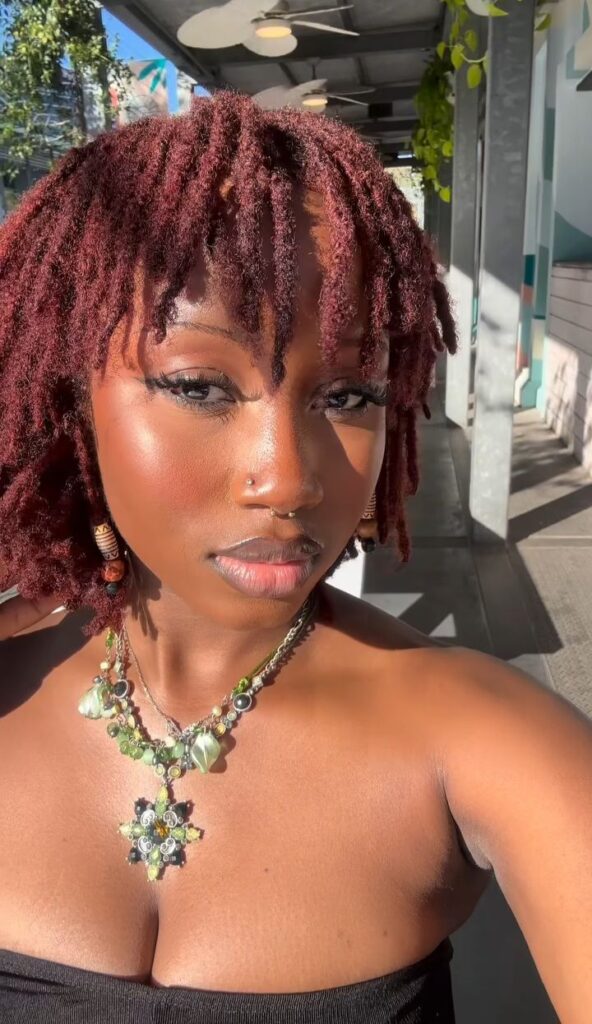
A retwist gives the roots a temporarily organized appearance, but your hair keeps growing afterward. As new growth comes in, the neat separation at the roots naturally becomes less defined.
Everyday things also speed up that change. Sleeping, sweating, humidity, showering, and friction from clothing or bedding can loosen the roots and make stray hairs more noticeable.
That doesn’t automatically mean your locs need another retwist. Some frizz and new growth are normal, and trying to control every loose hair can lead to unnecessary manipulation.
Product buildup can also make locs look dull or untidy, even when the roots are freshly maintained. Understanding what’s causing the change helps you decide whether your locs actually need maintenance or simply need to be styled and left alone.
1. Keep the Roots Separated
As your hair grows, the loose hair at the base of one loc can begin wrapping around the neighboring loc. This is different from ordinary frizz: the concern is when two separate locs start sharing the same root area.
Check the roots periodically, especially at the nape and behind the ears where connections can be harder to notice. A small connection can often be gently separated with your fingers before it becomes firmly matted.
Don’t pull hard or try to rip apart a connection that is already tight.
Excessive force can break the hairs holding the loc together or make the scalp sore. When separation is difficult or the roots have become heavily combined, a loctician is the safer option.
2. Stop Treating Every Frizzy Hair as a Problem
A few hairs sticking out of a loc doesn’t mean something has gone wrong. New growth naturally starts outside the established loc, and some loose hairs may eventually become incorporated into it.
Constantly pulling, twisting, or crocheting every stray hair back into place can mean unnecessary manipulation of the same area.
Instead, look at the condition of the loc itself. Ordinary fuzz is different from significant unraveling, two locs joining together, or a root becoming noticeably thin. Those situations deserve different responses.
3. Reduce Friction While You Sleep
Nighttime friction can disturb the roots and increase surface frizz, particularly when locs rub against rough bedding for several hours.
A satin or silk bonnet, scarf, or pillowcase can reduce that friction. The covering should fit comfortably rather than compressing the locs or pulling around the edges.
Clean the covering regularly as well. A bonnet or scarf that has accumulated sweat, oils, and product can transfer that residue back onto freshly washed locs.
Uneven growth can make your locs look less uniform, and Why Some Locs Grow Faster Than Others and How to Fix Slow Growth explains what may be behind it.
4. Protect a Fresh Retwist From Getting Soaked
Water doesn’t make locs unhealthy, and regular washing remains important. The issue is different when you’ve just had the roots organized into a retwist.
Repeated soaking, shower steam, heavy sweating, or humidity can soften the newly arranged roots and make them lose that crisp appearance sooner.
A shower cap can protect a fresh retwist during bathing, but don’t use this as a reason to avoid washing your locs. Once it’s time for your normal wash, clean them properly and accept that some of the retwisted appearance will naturally loosen.
5. Use Low-Tension Styles to Extend a Neat Appearance
A hairstyle can make grown-out roots look more intentional without requiring another retwist. Simple styles such as a loose ponytail, half-up arrangement, or low bun can gather the locs into a cleaner shape.
The important detail is tension. Pulling locs tightly backward may create a neat appearance temporarily, but repeated tension on the same roots can contribute to thinning and breakage.
A style that leaves your scalp sore, causes pulling around the hairline, or makes thin areas more noticeable is too tight, even when it looks perfectly neat in the mirror.
6. Keep Product Buildup From Making Your Locs Look Dull
Sometimes the problem isn’t frizz or new growth at all. Product buildup can make clean locs look dull, sticky, heavy, or uneven, especially when gels, creams, oils, and edge products are repeatedly layered onto the hair.
When trying to figure out how to keep your locs looking neat, don’t automatically add another product to smooth down stray hairs. Check whether the locs actually feel coated or look like they have residue on them.
Use products sparingly and choose formulas that suit your loc type and maintenance routine.
Heavy layers are particularly difficult to remove from compact locs, so a cleaner loc can often look neater than one covered in products.
A consistent routine can make a big difference, so How to Care for Your Locs the Right Way: A Step-by-Step Guide covers the basics of keeping both your scalp and locs cared for.
7. Keep Lint From Becoming Part of the Loc
Lint is the tiny fibers and fuzz that shed from fabrics and cling to your hair. You can pick it up from towels, sweaters, blankets, scarves, pillowcases, and other materials that rub against your locs.
Lint can quietly change the appearance of otherwise well-maintained locs. Those loose fibers can catch between the hairs on the surface and, over time, become pushed deeper into the loc.
Pay particular attention to fuzzy clothing and towels that shed heavily. Using a smooth, low-lint towel and washing your bonnet, scarf, and pillowcase regularly can reduce how much fiber transfers to your hair.
Check your locs occasionally, especially if you notice small flecks or fibers caught in them. Surface lint may be easier to remove gently, but once fibers become deeply embedded in a mature loc, trying to pull them out can disturb the loc itself.
8. Don’t Use Heavy Products to Fake a Fresh Retwist
A slick root can make locs look freshly maintained for a short time, but repeatedly using wax, thick gels, grease, or heavy creams can create a different problem underneath that polished appearance.
The product may hold loose hairs down temporarily while leaving residue around the roots. Adding more each time the effect wears off creates layers that eventually need to be removed.
For a neater appearance between maintenance sessions, work with the hair you actually have: separate neighboring roots, arrange the locs into a low-tension style, and keep the scalp and locs clean instead of continually coating the roots.
9. Know When a Retwist Is Actually Necessary
A growing-out retwist can look less polished without requiring immediate maintenance. New growth, ordinary frizz, and a few loose hairs are not the same thing as a maintenance problem.
A retwist or other root-maintenance session becomes more worth considering when the new growth is making the locs difficult to separate, neighboring roots are repeatedly combining, or the overall structure needs attention.
Most importantly, don’t use “I want my locs to look neat” as a reason to retwist extremely often.
How to keep your locs looking neat is partly about knowing when to leave them alone. If the roots are thinning, tender, or showing signs of excessive tension, appearance should take a back seat to protecting the hair.
For another way to support moisture and softness, see How to Steam Your Locs: Everything You Need to Know before adding steaming to your routine.
10. Give Your Locs a Clean, Properly Fitting Finish
Sometimes locs look untidy simply because the individual locs are sitting in different directions after sleeping, washing, or everyday activity. Before reaching for more product or booking another retwist, look at the overall shape.
After your locs are clean and completely dry, gently arrange them with your hands or use a loose, low-tension style to bring them into a more uniform shape. A simple ponytail, half-up style, or loose bun can make the hair look more polished without repeatedly working the roots.
Avoid forcing every loc into exactly the same position. Pulling, twisting, or pinning them tightly can put unnecessary stress on the roots and hairline.
11. Know When the Problem Is More Than Appearance
A change in how your locs look can sometimes point to a problem that styling cannot fix. Pay attention to thinning roots, broken hairs, painful or tender areas, significant unraveling, or locs that are becoming much thinner than they used to be.
Don’t keep retwisting a weak or thinning area simply to make it look neat. Repeated tension can make an already vulnerable root worse.
The same applies when locs have become tightly joined or heavily matted at the roots. Trying to separate them aggressively at home can cause unnecessary hair loss.
When the change is persistent, painful, or getting worse, have an experienced loctician assess the area. Neatness should never require sacrificing the strength of the loc or the condition of the scalp.
12. Give Your Locs Time to Grow Out Between Maintenance Sessions
One of the most useful things to understand about how to keep your locs looking neat is that a retwist is not meant to stay perfectly crisp until the next appointment. New growth will eventually show, and some frizz is part of the normal life of locs.
Trying to remove every sign of new growth by retwisting too often can place repeated tension on the same roots. Over time, that can contribute to weak or thinning areas, especially around the hairline.
Instead, judge your locs by their condition and root organization, not by whether they still look freshly retwisted.
Keep neighboring locs separated, control lint and buildup, protect them from unnecessary friction, and use low-tension styles when you want a more polished appearance.
A neat head of locs doesn’t have to look freshly maintained every day. Healthy roots, clean locs, good separation, and intentional styling will keep the hair looking put together even as the retwist grows out.
If you’re dealing with thinning, buildup, dryness, or other issues, How to Fix Common Loc Problems and Keep Your Locs Healthy can help you identify what needs attention.
What to Do When Your Locs Look Messy but You’re Not Ready for Another Retwist

A few weeks after a retwist, your locs may no longer have that freshly maintained look.
New growth, loose hairs, flattened locs, lint, or product residue can all change their appearance. That doesn’t mean you need another retwist right away.
First, look at what has changed. The right fix depends on whether you’re dealing with loose hairs, joining roots, buildup, or simply locs that have lost their shape.
-
Loose Hairs Around the Roots
A few loose hairs don’t need to be twisted back into place. Trying to control every strand can lead to unnecessary manipulation of the roots.
Leave them alone when the loc is secure, or use a simple, low-tension style to make the overall look more put together.
-
Two Locs Are Starting to Join
Look closely at the roots. If loose hairs are beginning to connect two neighboring locs, gently separate them before the connection becomes tight.
Don’t pull hard to separate a stubborn or painful area. Forcing the hair apart can cause breakage, so an experienced loctician is a better option when the roots are already firmly joined.
-
Your Locs Have Lost Their Shape
Sometimes nothing is wrong with the roots. Your locs have simply been flattened during sleep or moved around during the day.
Use your hands to arrange them again, or choose a loose style such as a half-up style or low ponytail. Avoid pulling them tightly just to recreate the sharp look of a fresh retwist.
-
Product or Lint Is Affecting the Appearance
Look closely before adding another product. Residue from gels, creams, oils, or other products can make locs look dull or coated. Loose fibers from towels, bedding, and clothing can also become trapped in the hair.
Cleanse away buildup rather than covering it with more product. Remove loose lint carefully, but don’t dig into a loc trying to pull out fibers that have become deeply embedded.
-
The Roots Are Thinning or Painful
This is no longer just a styling problem. A root that is becoming noticeably thinner, breaking, or staying tender needs attention rather than another tight retwist.
Persistent pain, thinning, or breakage should be assessed by an experienced loctician or qualified hair professional.
The important part is not making grown-out locs look freshly retwisted. It’s identifying what actually needs attention and fixing that without putting unnecessary stress on the hair.
Short locs don’t have to limit your styling options. How to Style Sisterlocks for Short Hair: 10 Stunning Ideas When Your Locs Feel Too Short to Style has ideas worth trying.
When Neat Is No Longer Just a Styling Issue

Knowing how to keep your locs looking neat also means knowing when appearance is pointing to a deeper hair or scalp problem. Not every messy-looking loc needs a styling fix.
✅ Watch for Thinning at the Root
A root that is becoming noticeably thinner than the rest of the loc deserves attention. Repeated retwisting or tight hairstyles can place tension on the same area, so making the root look neater by pulling it tighter can make the situation worse.
✅ Don’t Ignore Pain or Tenderness
A neat hairstyle should not leave the scalp painful, sore, or unusually tender. Persistent discomfort after retwisting or styling is a reason to reduce tension and reassess the maintenance routine.
✅ Take Breakage Seriously
Short broken hairs around the roots, a visibly weaker section, or a loc becoming thinner over time shouldn’t simply be covered with another retwist. These changes can indicate that the area needs less manipulation and more careful handling.
✅ Get Help With Difficult Root Problems
Locs that are severely combined, tightly matted, or difficult to separate without pulling are better assessed by an experienced loctician. Trying to force them apart can cause unnecessary breakage.
Neatness should never require a tighter retwist, painful styling, or repeated manipulation of a weak root. A healthy-looking loc is more important than making every root look freshly maintained.
When you’re dressing up for a major occasion, How to Choose Wedding Locs Styles That Make You Look Elegant and Put Together can help you choose a style that works with your overall look.
Conclusion
Knowing how to keep your locs looking neat isn’t about keeping every root perfectly retwisted. It’s about managing new growth, separating locs when needed, limiting buildup and friction, and choosing styles that don’t put unnecessary tension on the roots.
Some frizz and new growth are normal. What matters is knowing when to leave them alone and when they actually need attention.
Save this guide for those in-between-retwist days, and come back to it whenever your locs start looking less polished than you’d like.