
Why Some Locs Grow Faster Than Others and How to Fix It
Have you ever looked at your locs and wondered why some seem to be growing faster than others? Maybe the locs at the back of your head are getting longer while the ones around your hairline barely seem to change. Or perhaps someone who started their loc journey around the same time as you already has significantly longer locs.
This can feel confusing or even frustrating, but before you assume that your hair is not growing, there is something important to understand: loc growth and visible length are not always the same thing.

Hair grows from the follicle, but the length you actually see depends on several factors, including genetics, your hair-growth cycle, breakage, maintenance habits, scalp health, and how much your locs shrink or compact over time.
If you are looking to start your journey without compromising the strength of your hair, check out How to Transition from Relaxed Hair to Locs Without Damaging Your Hair for practical tips on managing two different textures safely.
The good news is that slow-looking loc growth does not always mean something is wrong. In many cases, improving your routine, reducing unnecessary tension, protecting your ends, and giving your locs time can make a noticeable difference.
This guide explains why some locs grow faster than others, what may be slowing your progress, and practical ways to encourage healthier length retention whether you have starter locs, mature locs, or have been dealing with slow growth for years.
Do Locs Actually Grow?
Yes. Locs grow because the hair underneath them continues to grow from the scalp.
However, locs can make growth difficult to measure. Loose natural hair may visibly extend from the scalp, while locs can become tighter, denser, and more compact as they mature. This means you may have several months of new growth without seeing a dramatic increase in overall length.

Your hair can also grow at a normal rate while appearing stagnant because the ends are breaking at roughly the same rate as new hair is being produced.
This is why length retention is just as important as growth.
Think of it this way: your scalp is producing new hair, but if the older portions repeatedly break before you can retain them, your locs may appear to grow very slowly.
How Genetics Affects Your Loc Growth
One of the biggest reasons people have different hair-growth experiences is genetics.
Hair follicles have individual growth cycles, and genetics can influence characteristics such as growth patterns, density, strand thickness, and how long hair remains in the active growth phase.
Thinking of protective ways to style your short locs? Check out this How to Style Sisterlocks for Short Hair: 10 Stunning Ideas When Your Locs Feel Too Short to Style for chic ways to style them.
This means comparing your loc journey to someone else’s may create unrealistic expectations.
Two people can start locs on the same day, use similar products, and maintain them equally well while seeing different results.
Your hairline may also naturally grow differently from the crown or back of your head. So if certain locs seem slower, it does not automatically mean that you’re doing something wrong.
Instead of comparing your locs with someone else’s, pay attention to your own progress over several months.
Taking photos from the same angles every few months can give you a much more accurate picture than checking your length every week.
Hair Breakage May Be Hiding Your Growth
Breakage is another reason why someone may feel like their locs are not growing.
Your scalp can produce new hair normally while the older hair becomes weak and breaks. When this happens, you may notice short pieces, thinning locs, weak areas, or ends that seem to stay the same length.
For a complete walkthrough on building an effective routine tailored to your hair’s needs, read How to Care for Your Locs the Right Way: A Step-by-Step Guide. for the perfect tips!
Choose gentle hair care because fragile hair can be damaged more easily also, reduce practices that create excessive tension or damage.
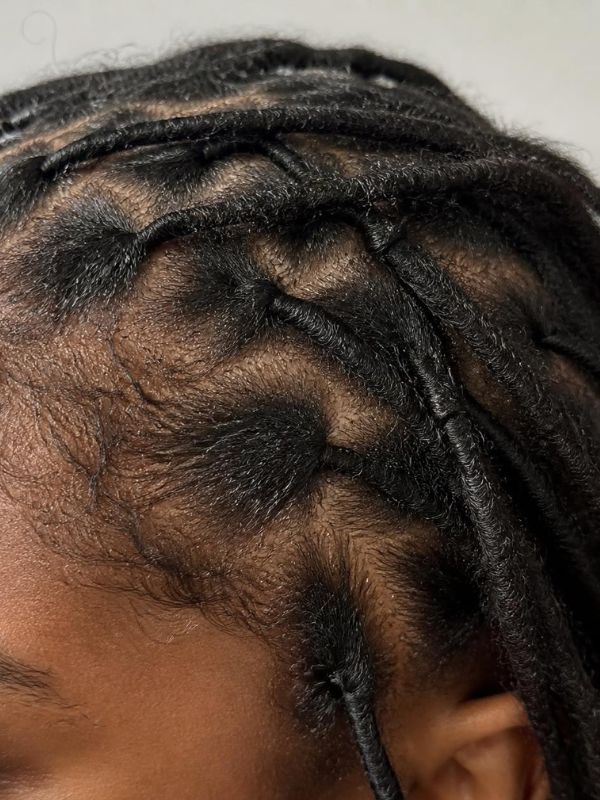
For loc wearers, this means paying attention to how you handle your hair during washing, retwisting, styling, and drying.
If you’re constantly manipulating your locs, pulling them into tight styles, or aggressively separating them, you may be sacrificing length even while your scalp continues producing new hair.
Tight Retwisting Can Affect Loc Growth
Retwisting helps maintain the appearance of locs, but tighter is not necessarily better.
Repeated tension around the roots can place stress on the follicles. Locs can contribute to traction alopecia when they are worn tightly or place repeated pulling force on the scalp.
One simple rule is particularly useful:
If your loc style hurts, it is too tight. Pain, tenderness, bumps, headaches, or noticeable pulling around your hairline should not be treated as signs of a “good” Retwist
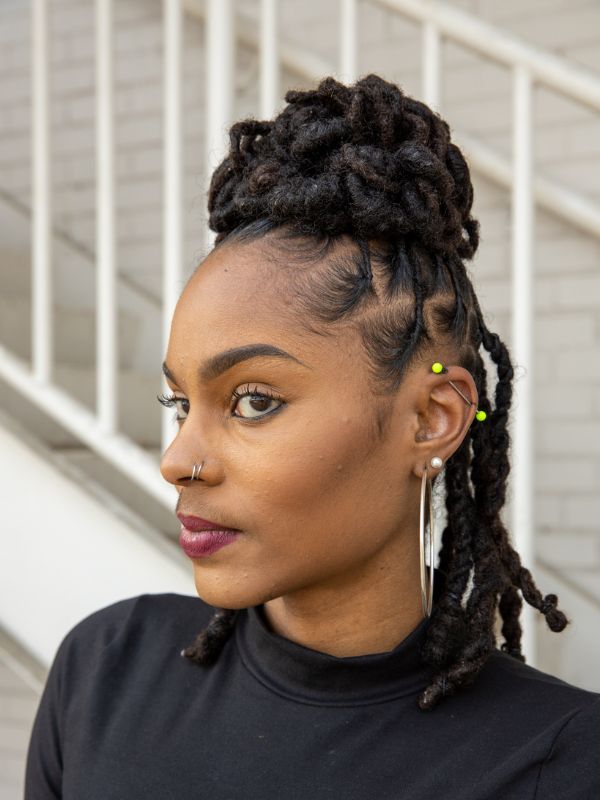
Remember! Your hair does not need to feel painfully tight to look neat.
Consider asking your loctician for a gentler retwist, especially around fragile areas such as the temples and hairline.
Heavy Locs Can Put Stress on Your Roots

As locs become longer, they naturally become heavier.
That additional weight can place more tension on the roots, particularly when long locs are repeatedly styled into high ponytails, buns, or other pulled-back hairstyles.
If you love wearing up-dos or formal looks but want to protect your roots from damage, explore How to Choose Wedding Locs Styles That Make You Look Elegant and Put Together for inspiration on low-tension, elegant options.
Reduce the tension! longer locs can be heavier and therefore place more pulling force on the scalp.
If you have very long or thick locs, consider rotating your hairstyles instead of keeping them pulled upward every day, loose styles can give your scalp and roots a break.
So avoid repeatedly wearing:
- Very tight ponytails
- Tight buns
- High updos
- Heavy extensions
- Styles that pull on the hairline
Your Loc Maintenance Routine Matters
How frequently you retwist, wash, separate, and style your locs can influence how well you retain length.
There is no single maintenance schedule that works perfectly for everyone. Hair texture, scalp condition, loc maturity, lifestyle, and personal preference all matter.
However, excessive manipulation can create unnecessary stress.
Thinking of ways to style your natursl hair? check out our blog on Braided Updo Natural Hair for different ways to braid them.
If you notice that your locs are becoming thin around the roots, constantly unraveling, or breaking after maintenance appointments, it may be worth changing your routine.
Talk with an experienced loctician about techniques that maintain your desired appearance without placing excessive tension on your scalp.
Starter Locs Need Time
If you have starter locs, patience is the first key to growth.
New locs go through several stages as the hair begins to mat, tighten, and mature. During this period, your hair may shrink significantly, making it appear as though it is barely growing.
You may also notice frizz, budding, unraveling, and changes in texture. These changes are a normal part of many people’s loc journeys.
Instead of trying to force your starter locs to mature quickly, focus on creating a healthy foundation.
Learn to avoid regular retwisting, constant manipulation, and unnecessary product buildup. Give your hair time to grow!.
Mature Locs Can Still Experience Slow-Looking Growth
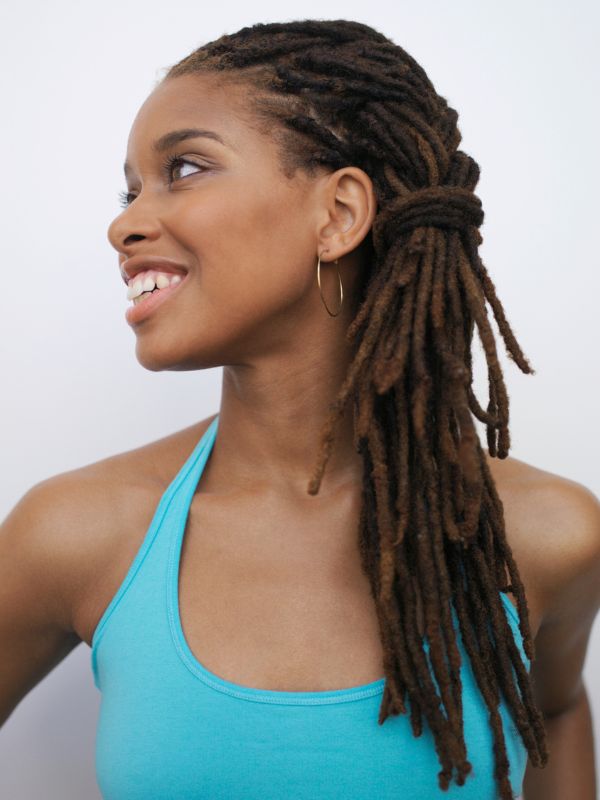
Having mature locs does not guarantee that you’ll always see fast length gains.
Older locs are not exempted breakage, thinning, weak spots, or damage from years of styling and manipulation.
For example, repeatedly wearing the same high bun can put stress on the same areas of your hair.
If certain locs have become noticeably thinner or shorter, take a closer look at how you style and maintain them.
Sometimes, the solution is not finding a new growth product, It is simply reducing the behavior that is causing damage.
Your Scalp Health Matters
Healthy hair begins at the scalp.
If your scalp is consistently irritated, painful, excessively flaky, or inflamed, don’t simply cover the symptoms with oils or styling products.
Different scalp and hair-loss conditions can have different causes. Cleveland Clinic notes that hair loss can be associated with factors including illness, hormonal changes, stress, aging, and inherited conditions.
That means persistent thinning should not automatically be blamed on “slow-growing hair.”
If you notice unusual shedding, bald patches, significant thinning, scalp pain, or changes that continue despite improving your hair-care routine, consider speaking with a dermatologist.
Protect Your Locs From Excessive Manipulation
This cannot be overemphasized! Your locs may look strong, but individual strands can still become easily damaged.
Avoid constantly pulling, twisting, separating, or playing with your locs throughout the day.
Be particularly gentle when your hair is wet. Make use of gentler hair-care practices to reduce breakage.
When washing, focus on cleansing the scalp without aggressively scrubbing or pulling at the locs.
After washing, allow your locs to dry thoroughly rather than repeatedly leaving them damp for extended periods.
Moisture Can Help With Length Retention
While locs don’t need to be saturated with products, maintaining a balanced moisture routine can help keep the hair feeling flexible and comfortable.
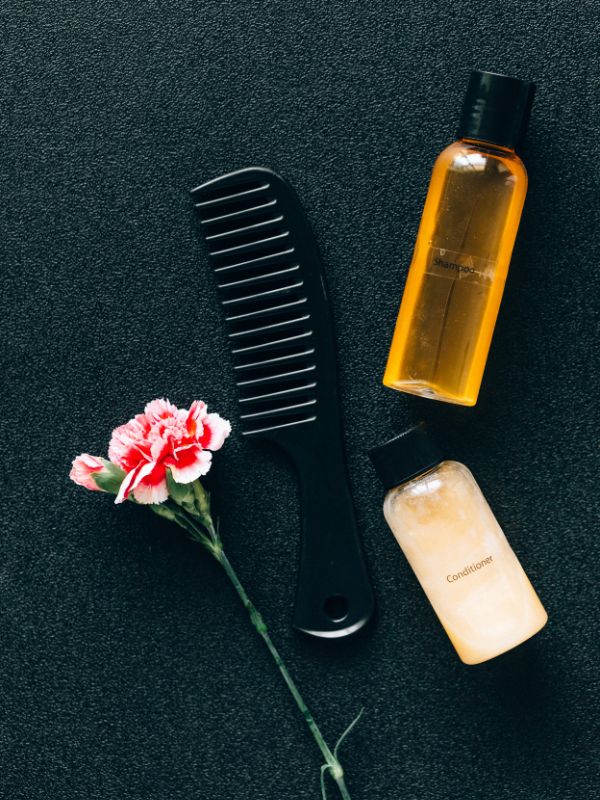
Depending on your hair and scalp needs, you might include:
- A lightweight moisturizing spray
- Water-based leave-in products
- Gentle scalp care
- Occasional conditioning treatments appropriate for locs
Be careful not to overload your locs with heavy oils, waxes, gels, or creams.
Too much product can accumulate inside mature locs and make cleansing more difficult.
The goal is healthy, finer hair—not the largest product collection.
Don’t Ignore Your Diet and Overall Health
Hair growth is not controlled by hair products alone.
Your overall health can influence your hair. Adequate nutrition, sleep, hydration, stress management, and general wellness all matter.
However, be cautious about supplements marketed as miracle “hair-growth vitamins.”
If you suspect that a nutritional deficiency or health condition is affecting your hair, speak with a qualified healthcare professional rather than taking large doses of supplements without guidance.
A supplement is not automatically beneficial simply because it is marketed for hair growth.
Be Gentle Around Your Hairline
Your hairline often deserves extra attention because it can be more vulnerable to tension.
When retwisting, styling, or separating locs, avoid pulling tightly on the edges.
If your hairline feels sore after a style, treat that as useful information rather than something you should simply tolerate.
Reduce tight styling and changing hairstyles to prevent continued traction.
Protecting your edges now can be much easier than trying to recover from advanced thinning later.
Choose a Loctician Who Prioritizes Hair Health
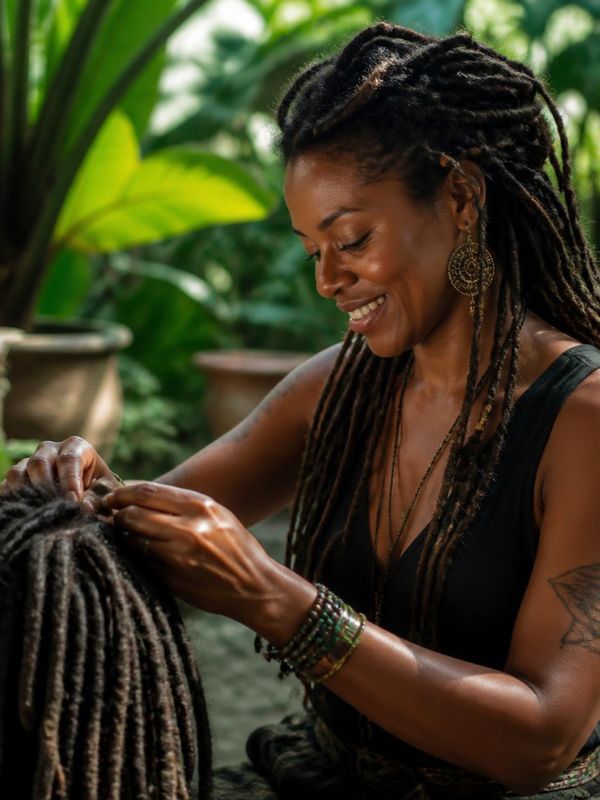
A good loctician should care about both the appearance of your locs and the condition of your hair.
Before choosing someone, ask about:
- Their maintenance techniques
- How tightly they retwist
- How they handle thinning locs
- Their approach to fragile edges
- Their experience with mature locs
Don’t be afraid to speak up if something feels too tight.
Your appointment should not leave you with scalp pain or excessive tension.
Give Your Locs Time to Grow
This is in my own opinion the most valuable advice. Depending on your hairtype it might take months or even years, Hair doesn’t suddenly become long overnight.
Perhaps the most frustrating part of growing locs is that progress can feel painfully slow.
Instead of measuring growth every few days, take monthly or quarterly photographs. Compare the same locs from the same angles, you may be surprised to discover that your hair has actually grown considerably.
Remember that healthy length retention is a long-term process.
How to Fix Slow Loc Growth: A Simple Routine
What About Hair Growth Oils?
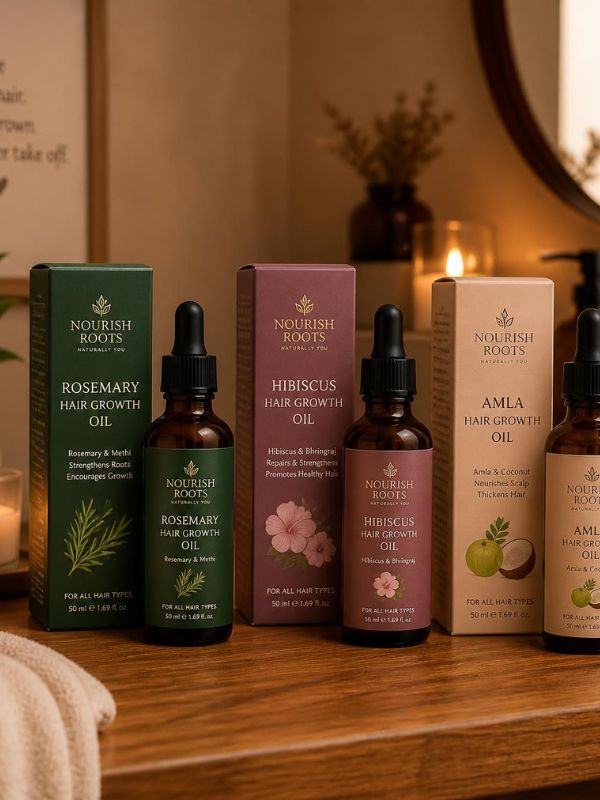
Hair oils are frequently promoted as solutions for slow loc growth, but it’s important to separate marketing claims from established evidence.
Oils can make hair feel softer and can be useful as part of a personal scalp-care routine, but they should not be viewed as guaranteed treatments for hair loss.
If you’re experiencing genuine thinning or hair loss, the underlying cause matters.
The AAD advises people with hair loss to be cautious about quick fixes and home remedies and recommends professional evaluation when necessary.
Instead of buying every trending oil online, first ask why your hair appears to be growing slowly.
FAQs About Loc Growth
How long does it take for locs to grow?
Growth varies from person to person. Genetics, age, overall health, hair-care practices, breakage, and length retention can all influence how quickly you notice additional length.
Why are some of my locs shorter than others?
Different areas of the scalp can have different growth patterns, and individual locs may experience different amounts of manipulation, tension, or breakage. Shorter locs don’t necessarily mean that those follicles are growing more slowly.
Does retwisting make locs grow faster?
No. Retwisting primarily organizes new growth and affects the appearance of your locs. Retwisting more tightly or more frequently does not guarantee faster growth and excessive tension can damage the hair.
Can starter locs grow faster?
Starter locs still need time to mature. Avoid trying to force the process with excessive manipulation or frequent retwisting. Focus on gentle maintenance and healthy scalp care.
Why are my locs growing but not getting longer?
You may be experiencing shrinkage, compaction, or breakage. If new growth is occurring at the roots but your overall length isn’t increasing, retaining the existing hair may be the bigger issue.
How can I make my locs grow faster naturally?
There is no guaranteed method for dramatically speeding up your natural growth rate. Instead, focus on retaining the hair you’re already growing by reducing breakage, avoiding excessive tension, maintaining your scalp, and supporting your overall health.
Conclusion
If some of your locs seem to grow faster than others, don’t immediately assume that your hair is unhealthy or that you’re doing something wrong. Hair growth is individual, and visible length depends on much more than what happens at the scalp.
So many factors can influence how quickly your locs appear to grow. Starter locs may also seem stagnant while they go through their natural maturation process.
The most effective approach is usually not a miracle growth product. Instead, focus on healthy length retention: keep your scalp clean, handle your locs gently, protect fragile areas, avoid excessive tension, and give your hair enough time to grow.
Your loc journey doesn’t have to match anyone else’s. Track your own progress, protect the hair you have, and give your locs the care and patience they need. Healthy locs are built over time and sometimes the best “growth hack” is simply learning how to keep the length you’ve already grown.