
When your locs suddenly start thinning, breaking, or acting up, it’s easy to blame your routine. Learn how to fix common loc problems before they worsen.
A loc problem rarely announces itself clearly. One day, a loc feels thinner at the root. Another starts unraveling, feels unusually stiff, or develops buildup that doesn’t wash away.
Then comes the difficult part: knowing what actually caused it and whether trying to fix it yourself will help or make things worse.
That’s why how to fix common loc problems shouldn’t start with another list of products. A weak root may need less tension, not more styling.
Buildup may call for better cleansing, not another oil. And persistent scalp irritation may have nothing to do with the loc itself.
This guide breaks down the problems you can realistically troubleshoot, what may be causing them, and when it’s better to stop experimenting and get professional help.
If you’re transitioning from relaxed hair, start with How to Transition from Relaxed Hair to Locs Without Damaging Your Hair to understand where breakage can happen during the process.
1. Start With a Loc Check, Not Another Product
Before trying to fix a loc problem, first work out where the problem is and what has changed. A weak root, buildup, breakage, and scalp irritation can look similar at first, but they don’t require the same solution.
Check the Roots First
Look closely at the base of each affected loc.
- Compare it with nearby locs rather than judging it on its own.
- Look for progressive thinning, excessive looseness, or hair that appears to be pulling away from the root.
- Check whether a hairstyle, retwist, or accessory has been placing repeated tension on that area.
How to respond: If the root is under tension, stop repeatedly pulling it into tight styles and give the section a chance to recover. Don’t tighten a weak root simply to make it look neater.
Then Examine the Length
Gently feel along the loc for changes in texture or structure.
- A noticeably soft or weak section can indicate an area that needs attention.
- Look for unraveling, broken hairs, or a section that feels different from the rest of the loc.
- Check the ends separately because they have been exposed to wear for the longest time.
How to respond: Reduce unnecessary handling and avoid pulling, separating, or repeatedly restyling a fragile section. If the loc is significantly weakened or breaking, have a loctician assess it before attempting a repair.
Don’t Ignore the Scalp
The scalp needs to be assessed separately from the locs.
- Persistent itching
- Redness
- Scaling
- Tenderness or soreness
- New or unexplained changes
How to respond: Don’t automatically treat these signs with more oil or styling products. Persistent scalp symptoms may have an underlying cause that requires assessment by a dermatologist.
Use the Check to Choose the Fix
The purpose of this first inspection is simple: don’t treat a problem you haven’t identified.
Once you know whether the concern is coming from the root, the length, or the scalp, you can choose a response that addresses the cause instead of covering up the symptom.
A consistent routine can prevent many everyday problems, so How to Care for Your Locs the Right Way: A Step-by-Step Guide is a useful next read.
2. When a Loc Is Thinning or Getting Weak at the Root

A loc that is becoming noticeably thinner at the base needs attention before the problem progresses.
The first step is figuring out whether you’re seeing normal new growth, repeated tension, or genuine weakening of the hair around the root.
Look at How the Root Has Changed
Compare the affected loc with the surrounding sections.
- Has the base gradually become thinner?
- Does the loc feel less secure than it used to?
- Is more scalp becoming visible around that particular section?
- Are short broken hairs appearing around the root?
- Has the area been repeatedly pulled into tight styles?
Some looseness is normal between maintenance sessions. Progressive thinning is different and shouldn’t simply be tightened away.
Check Whether Tension Is Contributing
Repeated pulling from tight retwists, buns, ponytails, extensions, or other styles can place stress on the follicles. Prolonged or repeated tension can contribute to traction alopecia and, if it continues, may result in permanent hair loss.
How to respond: Reduce tension on the affected section. Avoid repeatedly retwisting or styling the loc simply to make a weak root appear neater.
Don’t Confuse Visible Scalp With Automatic Hair Loss
Locs naturally leave portions of the scalp visible between their sections. As the hair grows, those areas can also appear different.
How to respond: Compare the section with nearby roots and, if possible, older photographs. You’re looking for a genuine change in density or the condition of the hair—not simply visible scalp.
Know When to Get It Assessed
Progressive thinning, widening areas of scalp, repeated breakage around the root, or noticeable hair loss shouldn’t be managed by tighter styling.
How to respond: A loctician can assess the condition of the loc, while a dermatologist can investigate persistent or unexplained hair loss.
The Fix Starts With Less Stress
The goal isn’t to make a thinning loc look fuller. It’s to identify what may be weakening it and remove unnecessary stress while the cause is being addressed.
This is an important part of how to fix common loc problems without turning a small weakness into a larger one.
3. When Your Locs Have Buildup That Washing Isn’t Removing
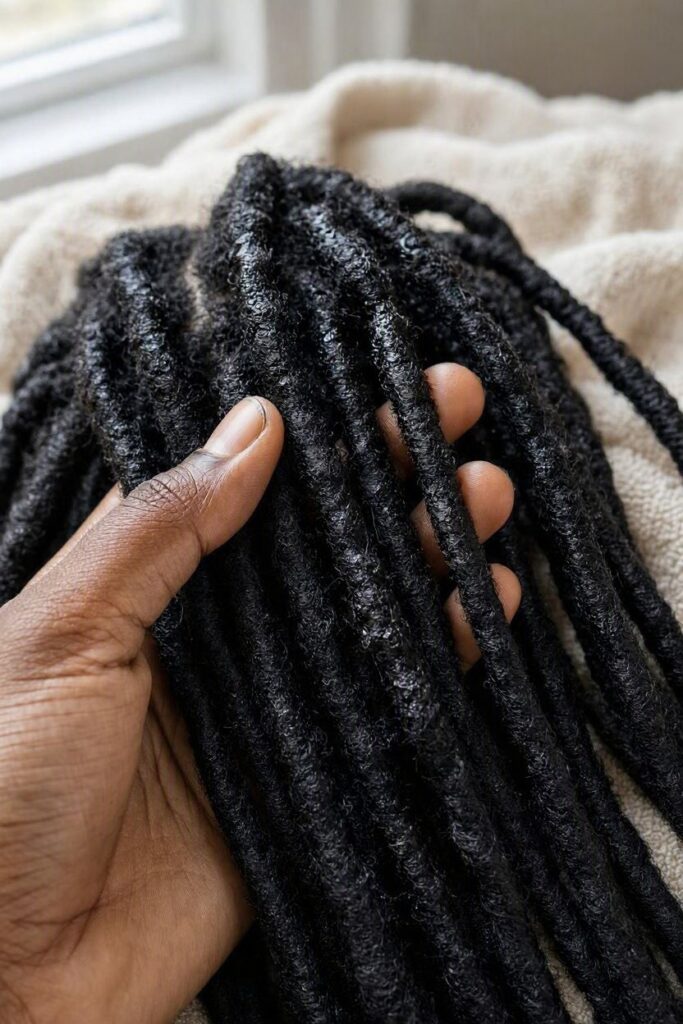
Buildup isn’t always obvious at first. You may notice that a loc feels unusually heavy, stiff, coated, or looks dull even after washing.
The important step is to identify what is sitting on the loc before adding another product to solve it.
Look for Signs of Accumulation
Pay attention to:
- A waxy, sticky, or coated feeling
- Visible residue between or around the locs
- Locs that feel heavier than usual
- Discoloration or particles trapped inside the loc
- Products that seem to remain after normal washing
Oil, butter, wax, gels, creams, and other styling products can accumulate when they are used repeatedly and aren’t completely removed.
Start by Simplifying What Goes on the Locs
If buildup is the concern, adding another oil or cream usually isn’t the answer.
How to respond: Pause unnecessary products and return to a simple cleansing routine. Use a shampoo that cleans the scalp and locs effectively, work the lather through the hair gently, and rinse thoroughly. Don’t aggressively scrub or pull at the locs to force residue out.
Persistent Buildup May Need Professional Help
Some residue becomes difficult to remove once it has accumulated deep inside a loc.
How to respond: If normal cleansing isn’t improving the problem, speak with an experienced loctician about an appropriate deep-cleansing or buildup-removal treatment rather than experimenting with harsh household ingredients.
Don’t Mistake Every White or Light Spot for Buildup
Lint, dried product, and other debris can look similar. If you’re unsure what you’re seeing, identify it before treating it. Trying several strong treatments at once can create another problem without addressing the original one.
Noticing uneven growth? Why Some Locs Grow Faster Than Others and How to Fix Slow Growth explains what can cause the difference and what you can do about it.
4. When a Loc Keeps Unraveling or Won’t Stay Together
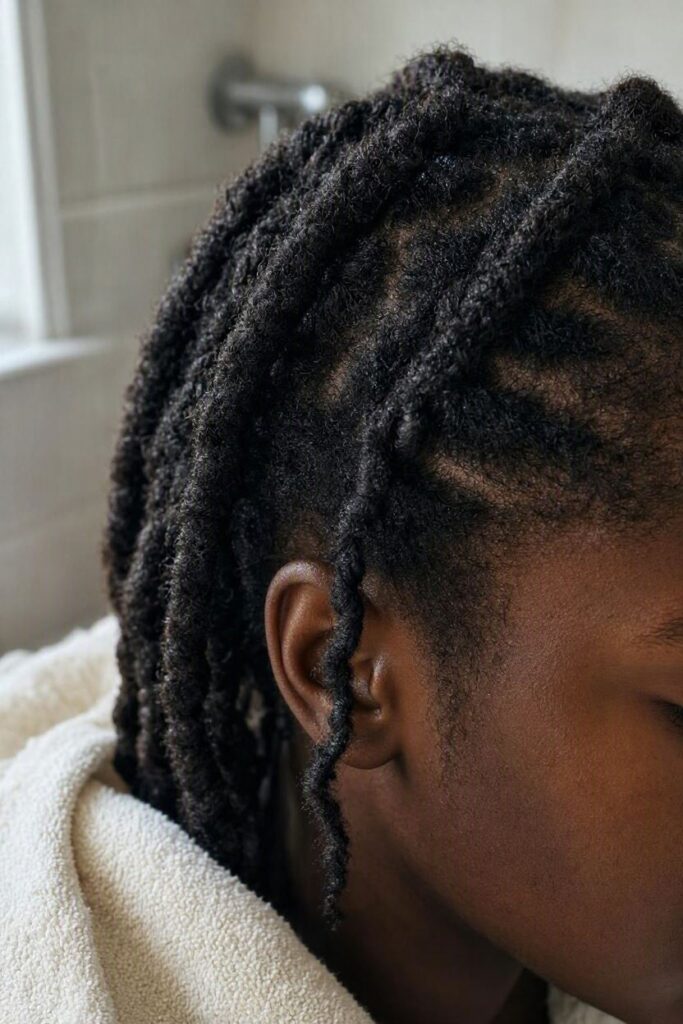
A loc that repeatedly comes apart can be frustrating, but the reason it is unraveling matters.
Newer locs may not yet be fully established, while an older loc that suddenly starts coming apart can point to a change that needs attention.
Consider the Age of the Loc
Recently started locs are still undergoing the process of matting and tightening. Some looseness or unraveling can occur during this stage, particularly after washing.
How to respond: Follow the maintenance method recommended for your particular locing technique and avoid constantly manipulating the section between appointments.
Look at Where the Unraveling Happens
Check whether the looseness is:
- Mainly at the root
- Limited to the ends
- Occurring along the middle of the loc
- Happening repeatedly in exactly the same area
The location can help your loctician determine whether the issue is simply maintenance-related or whether the loc has become structurally weak.
Think About What Happens After Washing
Frequent touching, separating, squeezing, or rough towel-drying can disturb developing locs.
How to respond: Wash gently, avoid unnecessary handling while the hair is wet, and dry the locs thoroughly afterward. Don’t repeatedly pull loose hairs back into the loc throughout the day.
Know When It Needs a Repair
If an established loc repeatedly unravels, develops a weak section, or no longer holds together despite appropriate maintenance, don’t keep tightening or manipulating it yourself.
How to respond: Have a loctician examine the loc. Depending on its condition, it may need reinforcement or another form of professional repair rather than repeated retwisting.
If short locs are making styling difficult, How to Style Sisterlocks for Short Hair: 10 Stunning Ideas When Your Locs Feel Too Short to Style offers practical styling ideas.
5. Scalp Is Itchy, Flaky, Sore, or Irritated
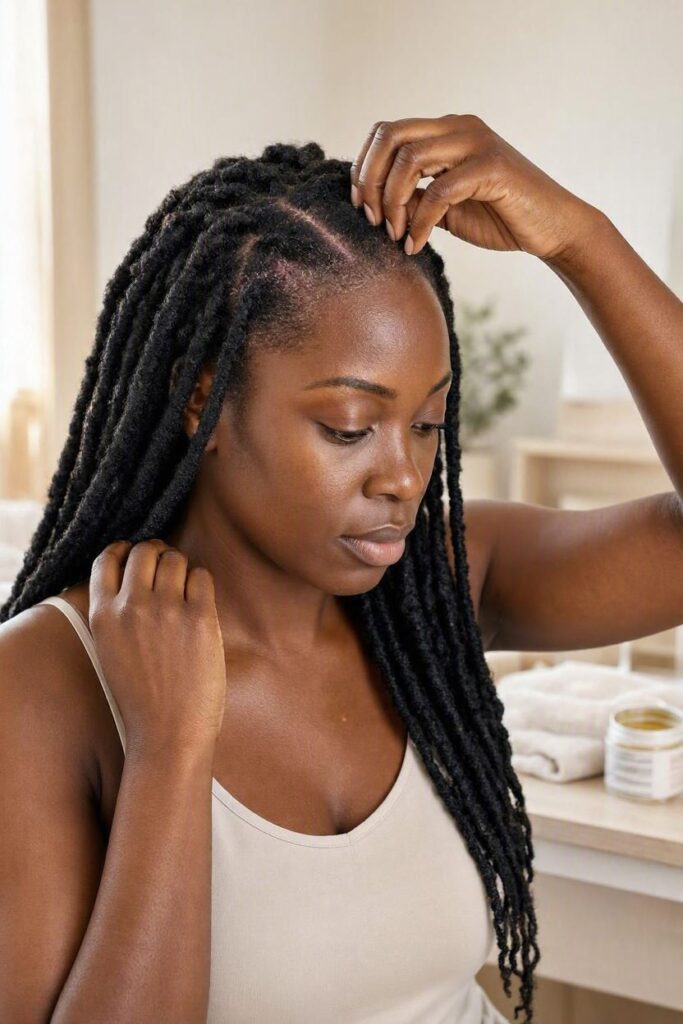
A Scalp Is Itchy, Flaky, Sore, or Irritated situation is not something to ignore, especially when the discomfort keeps returning.
Your scalp can react to buildup, product residue, excessive tension, dryness, or irritation from something you recently applied. The important part is figuring out what changed before adding more products or scratching the area.
Check for Buildup First
Heavy product use, oils, gels, and residue can accumulate around the scalp and leave it feeling uncomfortable. Buildup may also make your scalp feel itchy even when it does not look particularly dry.
How to respond: Look at your recent product use and washing routine. If you suspect buildup, focus on a thorough but gentle wash rather than adding another oil or scalp product on top of it.
Pay Attention to Flaking
Flaking does not always mean your scalp simply needs more moisture. Dryness, irritation, and certain scalp conditions can all cause visible flakes, so adding heavier oils without knowing the cause may not solve the problem.
How to respond: Notice whether the flakes appear occasionally or keep returning. If your scalp remains flaky despite a consistent, gentle routine, consider getting advice from a dermatologist or other qualified healthcare professional.
Check Whether Your Locs Feel Too Tight
A tight retwist or hairstyle can leave the scalp feeling sore or tender, particularly around the hairline and other areas under tension.
How to respond: Avoid repeatedly pulling, retwisting, or styling the affected area while it is already uncomfortable. Give the scalp a break from tension and let the soreness settle rather than trying to make the style tighter.
Think About What Changed Recently
A new shampoo, gel, oil, dye, locking product, or even a change in how often you wash your hair can trigger irritation.
How to respond: Think back to what you introduced shortly before the irritation started. If one particular product consistently leaves your scalp uncomfortable, stop using it and see whether the reaction improves.
Know When It Needs More Than a Routine Change
If your Scalp Is Itchy, Flaky, Sore, or Irritated and the problem keeps returning, becomes painful, or comes with other noticeable changes such as sores or unusual hair loss, do not keep experimenting with products on your own.
How to respond: Have the scalp assessed by a dermatologist or qualified healthcare professional so you can identify the actual cause instead of repeatedly treating the symptom.
Planning a special occasion? How to Choose Wedding Locs Styles That Make You Look Elegant and Put Together can help you choose a style that works with your overall bridal look.
Conclusion
Learning how to fix common loc problems starts with paying attention to what your hair and scalp are telling you.
Thinning, breakage, buildup, or an itchy, flaky, sore, or irritated scalp should not simply be covered up with more products or tighter maintenance.
Give your locs the care they need, avoid habits that cause unnecessary stress, and get professional help when a problem keeps coming back. Healthy locs are built through consistent care, not constant fixing.
FAQs
-
Why are my locs thinning at the roots, and how can I stop them from getting worse?
Repeated tension, heavy locs, and frequent retwisting can weaken the roots. Reduce tension and avoid tight styles. A loctician can reinforce a weak loc before it breaks.
-
How do I get rid of buildup in my locs without damaging them?
Use a thorough, residue-free wash and rinse well. Avoid picking or aggressively squeezing the locs, which can cause damage. Severe buildup may need professional cleansing.
-
Why do my locs smell bad after washing, and how can I prevent it?
Locs that stay damp too long can develop a musty smell. Remove excess water and dry them completely after washing before covering or styling them.
-
Can over-retwisting cause locs to thin or break?
Yes. Repeated tension can weaken the roots, especially around the hairline. Retwisting should never leave your scalp painfully tight.
-
Why are my locs dry and brittle even though I moisturize them?
Adding more products may worsen buildup without fixing dryness. Review your washing and moisturizing routine and avoid heavy products that leave residue.
-
What should I do if my locs are breaking at the roots?
Stop tight styling and repeated retwisting around the weak area. Have a loctician assess the loc before the damage progresses.
-
Why do my locs keep getting tangled together at the roots?
New growth and loose hairs can cause neighboring locs to merge. Gently separate the roots during maintenance instead of waiting until the locs become difficult to separate.
-
How can I tell if my locs are damaged or just going through a normal stage?
Frizz and loose hairs are normal during maturation. Persistent thinning, weak spots, or unusual breakage are stronger signs that something needs attention.
-
When should I stop trying home remedies and see a loctician or dermatologist?
See a loctician for repeated breakage or thinning. Persistent scalp pain, sores, severe flaking, or irritation should be assessed by a dermatologist.