Many people lose hair by rushing the process. Learn how to transition from relaxed hair to locs while protecting your length and scalp.
If you’ve been relaxing your hair for years, chances are you’ve asked yourself questions like: Can I even start locs with relaxed hair? Will my relaxed ends break off? Do I have to cut all my hair first? Am I setting myself up for damaged locs?
Those worries are completely understandable. Transitioning from relaxed hair to locs is different from starting locs on virgin natural hair.
One of the biggest misconceptions online is that you either have to do a big chop immediately or simply stop relaxing your hair and begin the loc process. In reality, neither approach is right for everyone.
Your hair’s condition, the amount of new natural growth you have, the health of your relaxed ends, and the method you choose all play a role in whether your transition is smooth or filled with unnecessary breakage.
The good news is that you can transition from relaxed hair to locs without damaging your hair, but it requires patience, realistic expectations, and the right care from the very beginning.
Most of the breakage people run into doesn’t come from a “wrong” method. It comes from the line of demarcation, the point where your relaxed strands meet your new natural growth.
That’s the weakest part of your hair during the entire transition, and how you treat it matters more than which loc method you pick.
In this guide, you’ll learn what happens to relaxed hair during the transition, the safest ways to start locs, how to protect that weak point, common mistakes that lead to breakage, and what to expect as your locs mature.
By the end, you’ll have what you need to make confident decisions and build healthy locs without sacrificing your hair’s long-term health.
Thinking about trying a protective style next? Browse Crochet Hairstyles For Black Women for beautiful, low-maintenance looks you’ll love.
What Actually Happens to Relaxed Hair Before You Start Locs
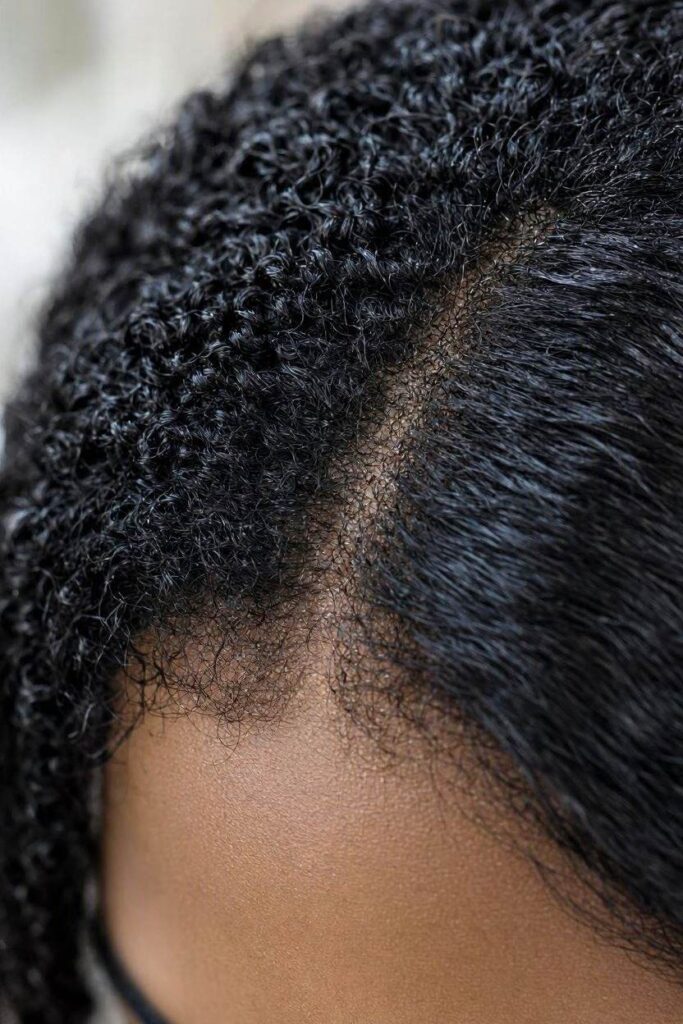
Before you transition from relaxed hair to locs, it helps to understand what a relaxer has already changed. Knowing this can explain why your hair behaves differently during the transition and why gentle care matters so much.
Relaxers Permanently Change the Hair
A hair relaxer works by permanently changing the structure of your hair so it stays straighter. Once a section has been relaxed, it cannot return to its natural curl pattern. As your hair grows, only the new hair from your scalp will have your natural texture.
This is why transitioning means caring for two different hair textures at the same time.
Your Relaxed Hair and New Growth Won’t Behave the Same
Natural new growth has more texture, making it easier to grip and begin forming locs. Relaxed hair is smoother and straighter, so it may take longer to lock and can unravel more easily, especially in the early months.
This difference is completely normal and is something to expect as you transition from relaxed hair to locs.
The Weakest Part of Your Hair Is Where the Two Textures Meet
The point where your natural roots meet your relaxed hair is called the line of demarcation. Because the two textures have different strength and flexibility, this area is more likely to break if the hair is pulled, over-manipulated, or handled roughly.
Protecting this section with gentle styling, regular moisture, and minimal tension is one of the best ways to reduce breakage throughout your transition.
Understanding these changes helps you transition from relaxed hair to locs with realistic expectations. Instead of fighting the two textures, you’ll know how to care for each one while your natural hair gradually becomes the foundation of healthy, strong locs.
Should You Wait Before Starting Locs After Your Last Relaxer?

One of the most common questions people ask before they transition from relaxed hair to locs is whether they should start immediately after their last relaxer or wait.
While there’s no one-size-fits-all timeline, waiting until you have some natural new growth usually gives your hair a better foundation for starter locs.
Why Starting Immediately After a Fresh Relaxer Isn’t Ideal
Starting locs right after relaxing your hair means most of your hair is still chemically straightened. Because relaxed hair is smoother, it doesn’t hold starter locs as easily as natural textured hair. It may unravel more often, making the early stages of the loc journey more challenging.
Your hair and scalp may also benefit from time to recover after a chemical service before you begin another long-term styling process.
Give Your Natural New Growth Time to Develop
Instead of focusing on a specific number of weeks or months, pay attention to your new growth. As your natural hair grows in, it provides the texture needed to help twists, coils, or braids stay in place more effectively.
The healthier your new growth is, the stronger the foundation for your future locs.
More New Growth Usually Means Better Grip
Many locticians recommend having enough natural hair for your chosen starter loc method to grip securely. While the exact amount varies depending on your hair texture and the method you’re using, more natural growth generally makes it easier for starter locs to form and stay intact.
If your natural roots are still very short, your loctician may recommend waiting a little longer or choosing a method that’s better suited to your current hair.
When to Consult an Experienced Loctician
If you’re unsure whether your hair is ready, a consultation with an experienced loctician can help you avoid unnecessary setbacks. They can assess your hair’s overall condition, the amount of natural new growth you have, the health of your relaxed ends, and recommend the starter loc method that’s most suitable for your hair.
Rather than following a “perfect timeline” you found online, base your decision on the condition of your hair. When you transition from relaxed hair to locs, healthy new growth and a solid plan matter far more than reaching a certain number of weeks after your last relaxer.
If you’re embracing your natural texture, these 20 Low-Maintenance Curly Hairstyles for Women Who Want Gorgeous Hair (Without the Drama) make everyday styling much easier.
The Three Ways People Transition From Relaxed Hair to Locs (And Who Each Method Is Best For)

There isn’t just one right way to transition from relaxed hair to locs. The best approach depends on your goals, the condition of your hair, and whether you’re willing to let go of your relaxed ends right away or gradually.
Understanding your options before you begin can help you choose a path that protects your hair while giving you realistic expectations for the months ahead.
1. Gradually Transition While Keeping Your Length
This is the most common option for people who want to keep as much of their hair length as possible. Instead of cutting off the relaxed hair immediately, you stop using relaxers, allow your natural hair to grow, and gradually trim away the relaxed ends over time.
You can start your locs once you have enough healthy natural new growth, while continuing to remove the relaxed portions during regular maintenance as your locs mature.
Best for:
- People who don’t want to do a big chop.
- Those emotionally attached to their current length.
- Anyone comfortable with a slower transition.
Things to keep in mind:
Because your locs will contain both natural and relaxed hair for a while, the relaxed ends may lock more slowly and may need to be trimmed gradually as your locs develop.
2. Do a Big Chop Before Starting Locs
Some people prefer to remove all of their relaxed hair before beginning their loc journey. This means cutting away the chemically treated hair and starting locs on fully natural hair.
Although it can feel like a big change, it creates a more uniform foundation since all of your hair has the same texture from root to tip.
Best for:
- People with significant relaxer damage or breakage.
- Those ready to embrace their natural texture.
- Anyone who wants a more consistent loc formation from the beginning.
Things to keep in mind:
You’ll be starting with shorter hair, but your locs won’t have to transition between two different textures.
3. Start Locs With Both Relaxed Hair and New Growth
Another option is to begin your starter locs while you still have relaxed ends, as long as you’ve developed enough healthy natural new growth for your chosen starter method.
Many people successfully take this approach, but it’s important to understand that the natural roots and relaxed lengths won’t mature at the same pace.
Best for:
- People who don’t want to wait until all the relaxed hair has grown out.
- Those with enough natural new growth to support starter locs.
- Anyone looking for a balance between keeping some length and beginning their loc journey sooner.
Things to keep in mind:
Your natural roots will usually begin locking first, while the relaxed ends may stay straighter or looser for longer. As your locs mature, many people gradually trim away the remaining relaxed ends to achieve a more uniform look.
Ultimately, there isn’t a single “correct” way to transition from relaxed hair to locs. The healthiest choice is the one that matches your hair’s condition, your lifestyle, and your long-term goals.
Taking time to choose the right approach from the beginning can make the transition smoother and help you build strong, healthy locs that last.
Busy mornings are much easier with these Easy Hairstyles That Are Stress Free: 15 Simple Styles You’ll Actually Wear, featuring quick styles that still look put together.
Choosing the Best Starter Loc Method for Hair That Is Part Relaxed and Part Natural
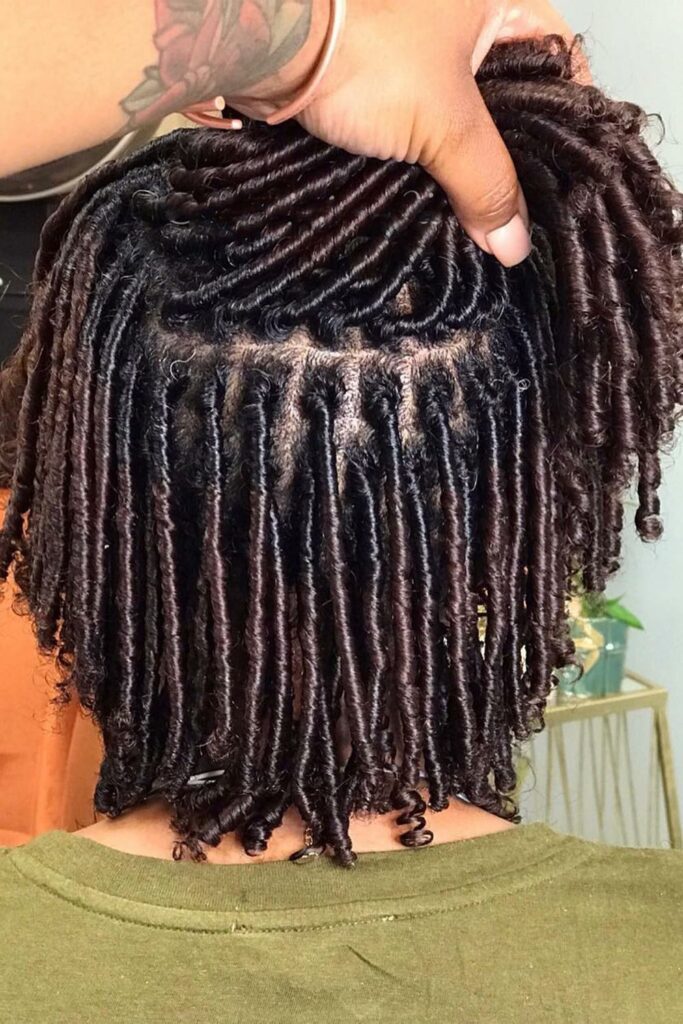
When you transition from relaxed hair to locs, choosing the right starter loc method is just as important as deciding when to begin.
The method that works well for someone with fully natural hair may not be the best choice if you’re transitioning with both relaxed hair and new growth.
Rather than looking for the “best” method overall, choose one that matches your hair’s current condition.
✅ Two-Strand Twists
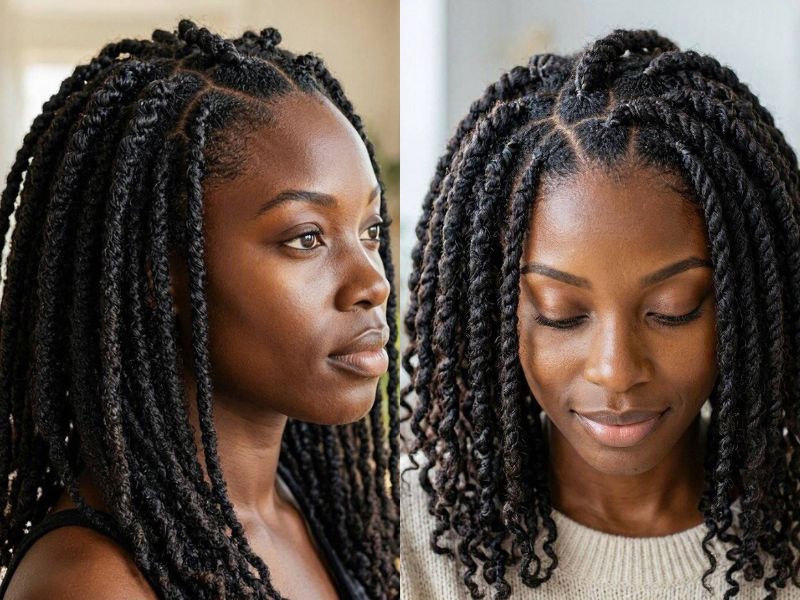
Two-strand twists are one of the most popular starter methods because they’re gentle, versatile, and work well for many hair types. If you have enough natural new growth, twists create a stable foundation while putting less tension on the area where your natural and relaxed hair meet.
They’re a good option if you want a fuller-looking set of starter locs and don’t mind that they may take some time to mature.
Best for:
- Moderate to significant natural new growth
- Medium to thick hair density
- People looking for a low-tension starter method
✅ Braids
Braids can be a practical choice if your relaxed ends are prone to slipping out of twists or coils. Since braids hold the hair more securely, they can help keep the different textures together during the early stages of your loc journey.
Keep in mind that braid patterns may remain visible for a while, especially near the roots, before the locs fully mature.
Best for:
- Hair that unravels easily
- Fine or silky textures
- Those wanting a more secure starter method
✅ Comb Coils
Comb coils work best when there’s enough natural hair to hold the coil. If most of your hair is still relaxed, coils may unravel more easily because straightened hair doesn’t grip itself the way natural textured hair does.
For this reason, many people wait until they have a good amount of healthy new growth before choosing this method.
Best for:
- Short to medium natural new growth
- Coily or tightly curled hair
- Hair with enough texture to maintain the coils
✅ Crochet or Instant Locs
Crochet or instant locs use a specialized crochet hook to encourage the hair to lock immediately instead of waiting for it to mature naturally. While this can reduce unraveling, it’s also one of the most technique-sensitive methods.
If too much hair is pulled into the loc or the hook is used too aggressively, it can weaken the hair or create unnecessary breakage.
For that reason, this method is generally best performed by an experienced loctician rather than attempted without proper training.
Best for:
- People who want less unraveling during the early stages
- Those willing to invest in professional installation
- Hair that is healthy enough to withstand the technique
What Matters More Than the Method
As you transition from relaxed hair to locs, no starter method is automatically better than another. The right choice depends on your individual hair, not what’s trending on social media.
Before deciding, consider:
- The amount of natural new growth: More natural hair generally provides better grip and helps starter locs stay in place.
- Your hair density: Fine hair may benefit from a different approach than thick, dense hair to avoid unnecessary tension.
- Your curl pattern: Hair with tighter curl patterns often locks more easily than looser textures, which may require a little more patience.
- Your overall hair health: If your relaxed hair is excessively dry, thinning, or breaking, improving its condition, or trimming damaged ends, may be more important than choosing a particular starter method.
The goal isn’t to find the most popular starter loc method. It’s to choose one that gives your hair the best chance of forming healthy, long-lasting locs while minimizing stress on the areas that are most vulnerable during the transition from relaxed hair to locs.
Thinking about adding texture? These 20 Perms for Short Hair With Soft Curls show beautiful ways to achieve soft, natural-looking curls.
How to Prevent Breakage at the “Line of Demarcation”
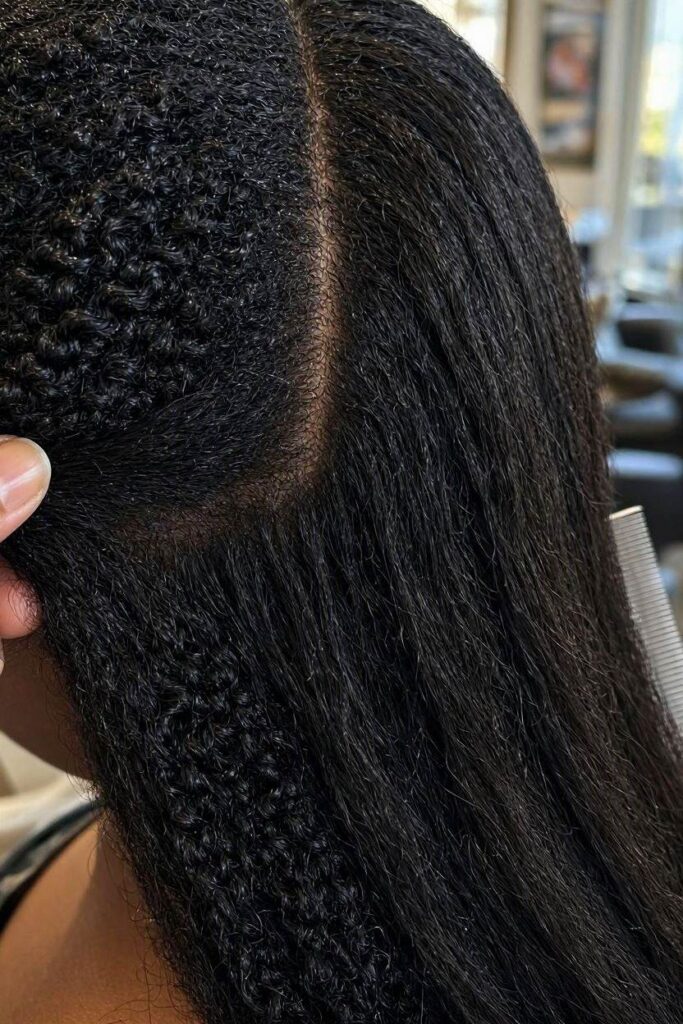
One of the biggest challenges during the transition is protecting the line of demarcation, the point where your natural new growth meets your relaxed hair.
Because these two sections have different textures and levels of strength, this area is more vulnerable to breakage than the rest of your hair.
Learning how to care for it properly can make a significant difference in how well your hair holds up throughout the transition.
-
Understand Why This Area Breaks First
Your natural hair and relaxed hair don’t move or stretch in the same way. Natural hair has more elasticity, while relaxed hair is less flexible because its structure has been permanently altered.
When you brush, detangle, or style your hair, the stress often concentrates where these two textures meet. Repeated pulling or rough handling can weaken this area over time, leading to breakage.
-
Detangle With Patience, Not Force
Detangling is often where unnecessary breakage happens.
Work in small sections, and always use your fingers or a wide-tooth comb to gently remove knots. Start from the ends and slowly work your way toward the roots instead of pulling from the top down.
If you come across a stubborn tangle, add a little water or a moisturizing product to increase slip rather than forcing the comb through.
-
Choose Styles That Don’t Pull
Tight ponytails, heavy extensions, and styles that place constant tension on the roots can put extra stress on the line of demarcation.
Instead, choose protective styles that keep your hair secure without feeling tight. If a style causes discomfort or leaves your scalp sore, it’s likely too tight and should be adjusted.
-
Keep Your Hair Properly Moisturized
Dry hair is more likely to snap, especially where two textures meet.
Focus on keeping your hair hydrated with a consistent moisturizing routine that works for your hair type. Pay extra attention to the transition area, as it often needs the most care.
Remember, moisture doesn’t eliminate breakage entirely, but it helps improve flexibility, making the hair less likely to snap during everyday handling.
-
Handle Your Hair Only When Necessary
The more often you comb, brush, restyle, or retwist your hair, the more stress you place on its weakest point.
Once your hair is neatly styled, avoid the temptation to keep redoing it. Giving your hair time to rest between styling sessions allows the fragile transition area to remain undisturbed and reduces unnecessary breakage.
Protecting the line of demarcation isn’t about being afraid to touch your hair, it’s about handling it with intention.
Small habits like detangling gently, avoiding excessive tension, maintaining moisture, and limiting unnecessary manipulation can go a long way toward preserving your hair as it continues to grow and strengthen.
Looking for a timeless style? These 15 Middle Part Hairstyles Ideas That Look Gorgeous offer flattering looks for different hair lengths and textures.
Build a Wash-Day Routine That Supports Healthy Starter Locs
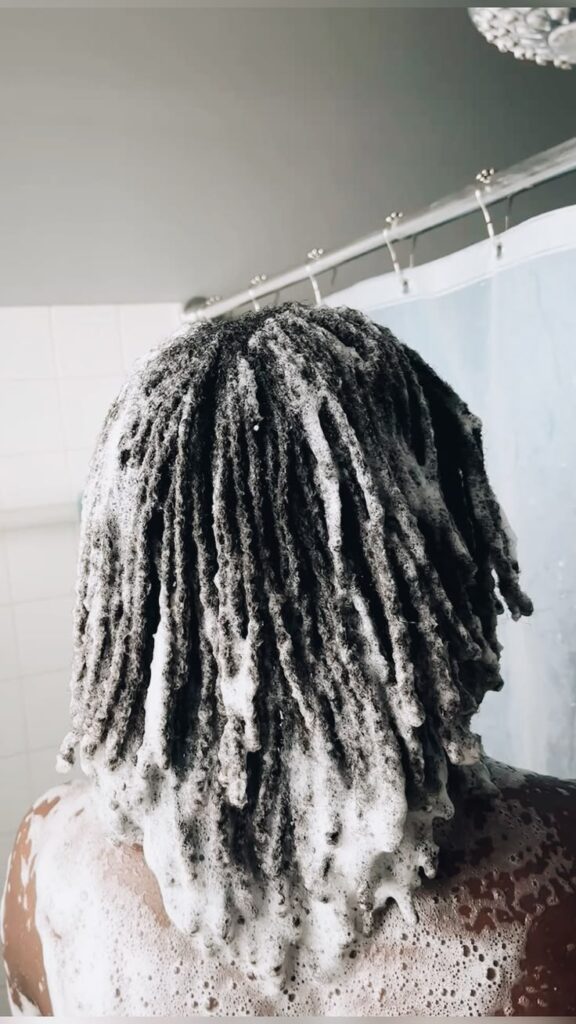
A good wash-day routine isn’t just about getting your hair clean, it’s about protecting your starter locs while keeping your scalp healthy.
The way you wash, condition, and dry your hair can make a noticeable difference, especially during the early stages when your locs are still developing.
Before Washing: Prepare Your Hair
Before stepping into the shower, take a few minutes to prepare your hair.
If your starter locs are in sections, gently separate any locs that have started sticking together at the roots. Doing this before washing helps maintain clean parts and prevents unwanted matting between locs.
It’s also a good time to remove any loose shed hairs wrapped around the base of the locs. Use your fingers and work carefully—there’s no need to pull or force tangled hairs out.
Cleansing: Focus on Your Scalp
Healthy locs begin with a healthy scalp.
As you wash, concentrate on cleansing your scalp rather than scrubbing the length of your locs. Use your fingertips—not your nails—to gently lift oil, sweat, and dirt from the scalp.
At the same time, avoid allowing heavy products to build up in your locs. Thick residue can become trapped inside the hair, making it harder to keep your locs clean as they mature.
Conditioning: Moisture Without Heavy Residue
Many people assume they should stop conditioning as soon as they begin their loc journey, but that’s not always necessary.
If your hair feels dry or you’re transitioning from relaxed hair, occasional deep conditioning can help improve softness and flexibility. The key is to use products that rinse out well and don’t leave heavy residue behind.
Your goal is to maintain moisture without coating the hair with ingredients that can accumulate inside developing locs.
Drying: Don’t Rush This Step
Drying is just as important as washing.
After cleansing, gently squeeze excess water from your locs using a clean microfiber towel or soft cotton T-shirt instead of rubbing the hair. Then allow your locs to dry completely before covering them with a bonnet, scarf, or hat.
Starter locs can hold moisture longer than loose hair. Leaving them damp for extended periods may lead to unpleasant odors, mildew, or scalp irritation. Taking the time to let them dry thoroughly helps keep both your hair and scalp in good condition.
A consistent wash-day routine doesn’t have to be complicated. Gentle preparation, a clean scalp, balanced moisture, and proper drying create the healthy environment your starter locs need as they continue to mature.
If you prefer wash-and-go styling, check out 10 Layered Cuts For Air Drying Without Frizz for haircuts that help reduce styling time.
Habits That Quietly Slow Down Your Loc Journey
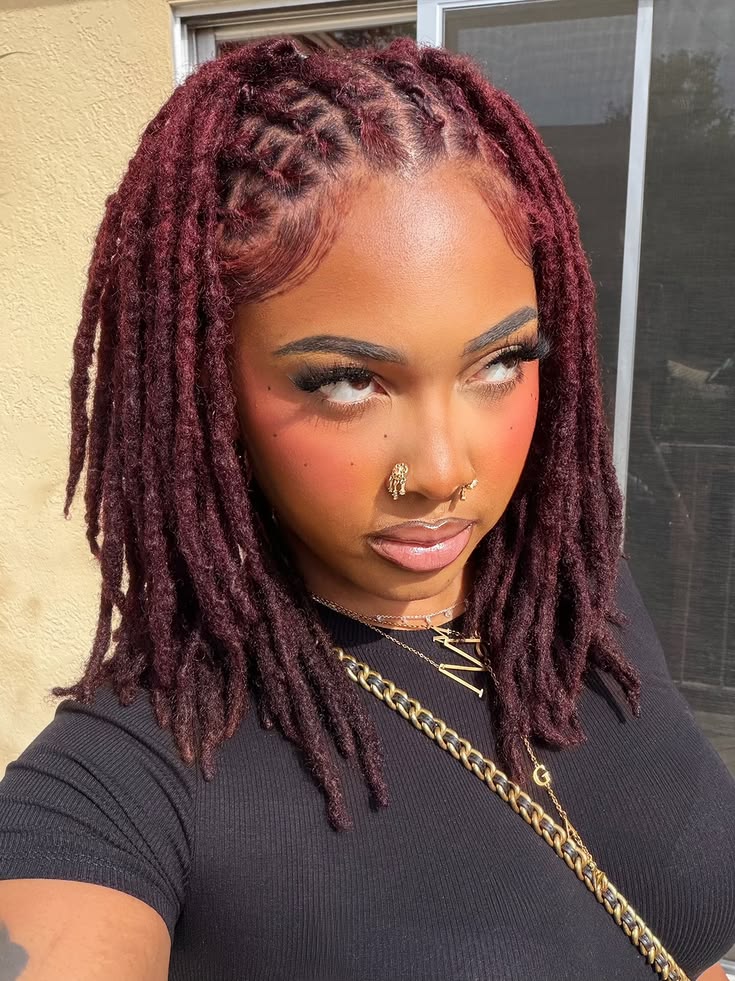
Not every setback comes from using the wrong products or choosing the wrong starter method. Sometimes, it’s the small habits repeated week after week that make it harder for your locs to develop and your hair to stay healthy.
Here are some practices worth avoiding.
✅ Repeatedly Flat Ironing Your New Growth
It can be tempting to straighten your natural roots so they blend with your relaxed hair, especially during the early months. However, frequent heat styling reduces your hair’s natural texture, the very thing that helps locs form.
Occasional heat styling may not ruin your progress, but making it a regular habit can slow the locking process and increase the risk of dryness and breakage.
✅ Trying to Make Both Textures Look the Same
Your natural roots and relaxed ends are never going to behave exactly alike. Constantly trying to make one texture imitate the other often leads to unnecessary manipulation, whether that’s extra brushing, heat styling, or repeated restyling.
Instead of fighting the difference, allow each texture to do what it naturally does while focusing on keeping both healthy.
✅ Applying Another Relaxer During the Transition
Once you’ve decided to grow locs, applying another relaxer to the new growth works against that goal. It creates another section of chemically treated hair, making the transition longer and leaving you with even more hair that will eventually need to grow out or be trimmed.
If you’re committed to the loc journey, it’s best to stop relaxing the hair and allow your natural texture to continue growing in.
✅ Over-Retwisting Starter Locs
Retwisting too often won’t make your locs mature faster. In fact, excessive retwisting can place unnecessary stress on the roots and, over time, contribute to thinning or weakening around the base of the loc.
Allow enough time between maintenance sessions so your hair can settle and grow without constant tension.
✅ Sleeping Without Protecting Your Hair
Cotton pillowcases absorb moisture and create friction while you sleep. Night after night, this can leave your hair drier, increase frizz, and cause unnecessary wear on your starter locs.
A satin or silk bonnet, scarf, or pillowcase helps reduce friction and retain moisture, making it easier to maintain healthy hair.
✅ Relying on Heavy Waxes to “Help” Locs Form
One of the biggest misconceptions is that thick waxes make hair lock faster. In reality, locs form through matting and tangling over time, not because of heavy products.
Heavy waxes can attract lint, trap dirt, and create buildup that’s difficult to remove, especially as locs mature. Lightweight products that keep the hair and scalp clean are usually a better choice than products that simply coat the hair.
Healthy locs develop through consistency, not shortcuts. Avoiding these habits won’t speed up the process overnight, but it can help your hair stay stronger, cleaner, and better prepared for the journey ahead.
What the First Year of Transition Usually Looks Like
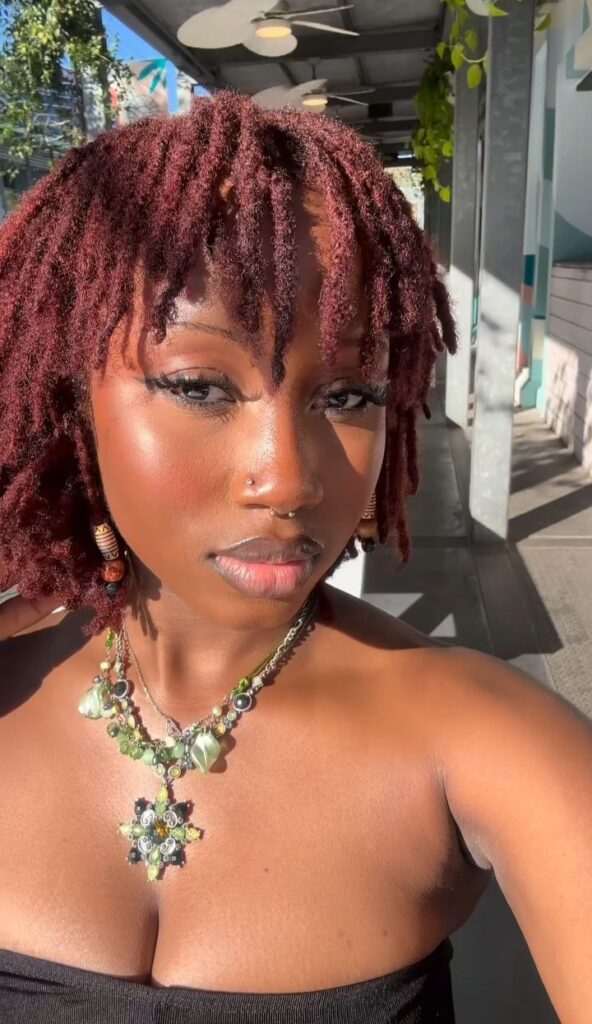
One of the biggest questions people have when they transition from relaxed hair to locs is, “How long will it take before my hair starts looking like locs?” The answer is different for everyone, but understanding what typically happens during the first year can help you set realistic expectations and avoid unnecessary frustration.
Months 1–3: Getting Used to Two Different Textures
The first few months are often the biggest adjustment. Your natural roots will continue growing while your relaxed ends remain straight, making the difference between the two textures more noticeable.
During this stage, it’s normal for some starter locs to loosen or become frizzy, especially if you still have a lot of relaxed hair. Your focus should be on maintaining a healthy scalp, keeping your hair moisturized, and avoiding excessive manipulation—not trying to make your locs look perfect.
Months 3–6: Your Natural Roots Begin Taking the Lead
As more natural hair grows in, your roots will start behaving differently from your relaxed lengths. Depending on your starter method and hair texture, you may notice the roots beginning to tangle and hold their shape more consistently.
Your relaxed ends, however, may still appear straighter or looser. This is completely normal and doesn’t mean your locs aren’t progressing.
This stage often requires patience, as your hair is gradually shifting from two distinct textures toward one stronger foundation.
Months 6–12: More Natural Hair, More Defined Locs
By the second half of the first year, many people notice that their natural hair makes up a larger portion of each loc. The roots typically become more established, while the relaxed ends become less noticeable as they are gradually trimmed or incorporated into the developing loc.
Your locs may still be maturing, but they often begin to look more uniform and feel more stable than they did during the first few months.
Remember That Every Journey Is Different
There isn’t a universal timeline for everyone who transitions from relaxed hair to locs. Some people notice changes sooner, while others need more time for their locs to develop.
Your progress will depend on several factors, including your hair texture, the amount of natural new growth you had when you started, your starter loc method, your maintenance routine, and your overall hair health.
Instead of comparing your progress with someone else’s, pay attention to how your own hair is responding. Healthy locs develop gradually, and consistency will always matter more than speed.
Make the most of your curls with these 10 Easy Hairstyles for Naturally Curly Hair that are simple enough for everyday wear.
When Relaxed Ends Should Be Trimmed Instead of Saved
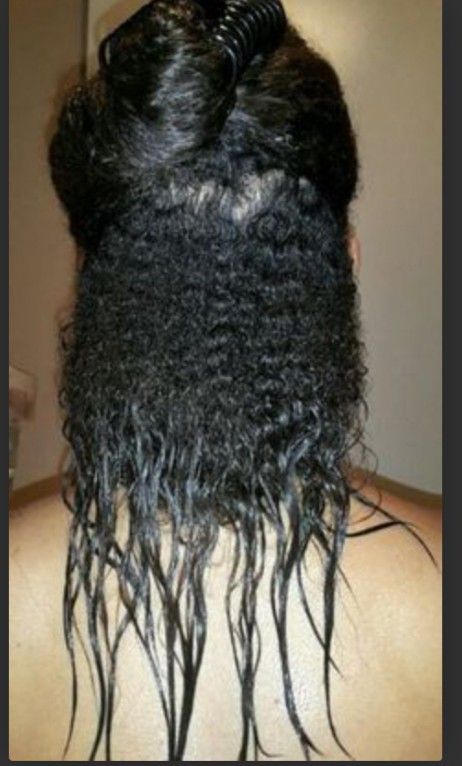
Holding on to your relaxed ends for as long as possible can help you keep your length, but there comes a point when those ends may do more harm than good.
The goal isn’t to save every inch of hair, it’s to build healthy locs that will remain strong over time.
Here are some signs it may be time to trim the relaxed ends.
-
Persistent Splitting
If the relaxed ends continue to split even after regular trims and good hair care, they are unlikely to become healthier. Split ends can travel farther up the hair shaft, making it harder to maintain strong locs.
-
Repeated Unraveling
It’s normal for starter locs to loosen occasionally, but if the relaxed ends repeatedly unravel while the rest of the loc is progressing well, they may not be providing enough support. Gradually trimming those ends can help create a more consistent loc over time.
-
Severe Thinning
Take a close look at the relaxed portions of your hair. If they appear noticeably thinner than the natural section or feel weak and fragile, keeping them may place unnecessary stress on the rest of the loc.
Healthy locs need a solid foundation, and severely thinned ends often don’t provide that.
-
Excessive Breakage
If the relaxed ends continue breaking despite gentle handling, regular moisture, and proper maintenance, the damage may be beyond repair. Continuing to hold on to weakened hair can make it more difficult to maintain the overall health of your locs.
-
Uneven Weight on the Loc
Sometimes the relaxed ends become noticeably longer or heavier than the section of natural hair supporting them. Over time, that extra weight can place stress on the developing loc, especially if the relaxed hair is already weak or thinning.
Removing a small amount at a time can help improve balance without sacrificing all your length at once.
-
Focus on Healthy Locs, Not Perfect Length
Many people worry that trimming their relaxed ends means they’ve failed or have to start over. That’s simply not true.
Removing damaged relaxed hair is often part of the transition process, not a setback. Every trim leaves you with more healthy natural hair forming the foundation of your locs.
Instead of asking, “How can I keep every inch?” ask, “Is this hair still helping my locs stay healthy?” If the answer is no, a gradual trim may be the best investment you can make in the long-term strength and appearance of your locs.
Ready for a bold seasonal change? Get inspired by these 11 Summer Red Hair Ideas for Black Women Who Want Something Different before your next salon visit.
Conclusion
Choosing to transition from relaxed hair to locs is more than changing your hairstyle, it’s a commitment to understanding your hair and caring for it differently.
There isn’t a single timeline or method that’s right for everyone, and that’s perfectly okay. The healthiest loc journeys are built on informed decisions, patience, and consistent care rather than trying to rush the process.
As your natural hair gradually becomes the foundation of your locs, focus on making choices that support long-term hair health instead of short-term appearance.
Small decisions, like protecting your weakest areas, choosing a suitable starter method, and knowing when to let go of damaged ends, can have a lasting impact on how your locs look and feel in the years ahead.
If you’re planning to transition from relaxed hair to locs, let this be the start of a journey guided by knowledge rather than guesswork.
And if you found this guide helpful, explore our other hair care resources for practical tips on maintaining healthy hair, caring for starter locs, and building a routine that supports strong, thriving locs from day one.