
Easy DIY Sensory Crafts for Kids
What if your child’s next learning activity could be something that is both fun and rewarding? Sensory crafts for kids turn ordinary playtime into a fun skill development exercise, giving children opportunities to explore textures, colors, sounds, movement, and more while creating something of their own.
Sensory play involves activities that engage children’s senses, including touch, sight, hearing, smell, and taste. It can also involve movement, balance, and body awareness. Sensory play can support language, motor, cognitive, and social development while encouraging children to experiment with their surroundings.
The best part is that you don’t need expensive materials to create them. Many DIY sensory crafts for kids can be made with inexpensive household and craft materials.
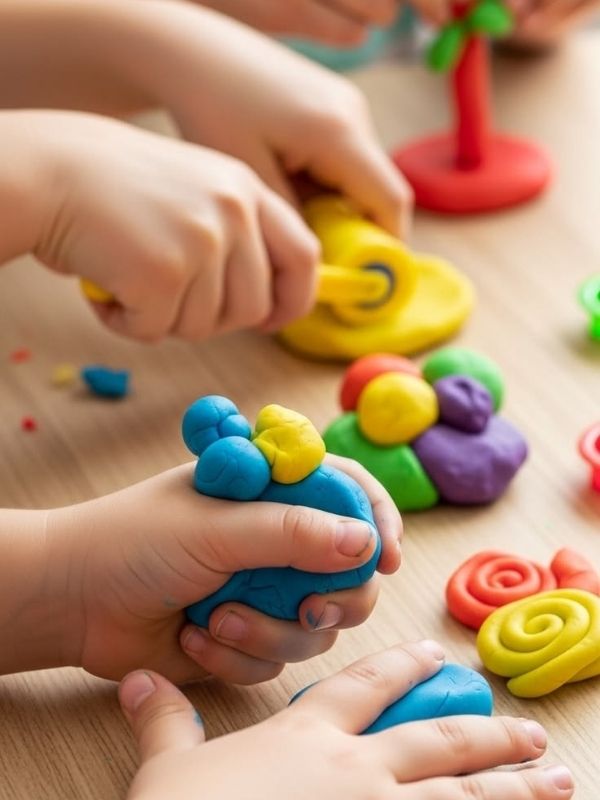
Many of the crafts in this post would also be perfect for children who tend to fidget and need a little bit of extra help to focus.
Whether you’re a parent looking for screen-free activities, a teacher planning a classroom project, or simply searching for something fun to do on a rainy afternoon, these easy sensory crafts can help children learn naturally through play.
Why Sensory Crafts Are Good for Kids
Sensory crafts combine traditional crafting with sensory exploration. Instead of simply drawing a picture or gluing paper together, children might touch different textures, squeeze materials, listen to sounds, observe colors, or explore how materials change.
If you are looking for simple craft ideas to begin without buying expensive or any supplies, start with these Sensory Activities for Nursery Children Using Everyday Items to Support Early Learning
Sensory crafts don’t need to produce a perfect finished product. The process of exploring, experimenting, creating, and discovering is where much of the learning happens.
It isn’t just a way to keep children entertained. It supports several areas of development.
1. Motor Skills
Activities such as squeezing dough, threading beads, scooping rice, pinching clay, and using tongs require children to coordinate their hands and fingers.
These tactile activities involving pouring, mixing, building, and manipulating materials can help develop fine motor skills needed for everyday tasks such as writing, tying shoes, and using zippers.
2. They Encourage Language Development
Sensory crafts give children plenty to talk about.
Ask questions such as:
- How does this feel?
- What color is it?
- Is it soft or hard?
- What happens when we mix these colors?
- Which one is heavier?
- What do you think will happen next?
These simple conversations introduce descriptive vocabulary and encourage children to communicate their observations.
For a fun, seasonal way to build language and sensory skills, check out our article on How to Make Easy Fall Handprint Crafts for Kids That Turn Into Meaningful Keepsakes
3. They Build Problem-Solving Skills
Sensory activities naturally encourage experimentation.
A child might figure out how to move rice from one container to another without spilling it or discover what happens when two colors are mixed.
Experimentation and problem-solving as important benefits of sensory play.
4. They Encourage Creativity
There isn’t always one correct outcome in a sensory craft.
Children can choose colors, shapes, textures, patterns, and materials according to their imagination. This gives them freedom to create rather than simply copy an adult’s example.
5. They Can Encourage Calm, Focused Play
Sensory activities can provide opportunities for children to slow down and concentrate on a hands-on task. Sensory play can have a calming effect on children for times of overwhelm or overstimulation.
Providing your child with intentional toys that support their specific sensory needs can help them manage new feelings and respond to stress in a healthy way, thereby help develop their emotional intelligence.
Easy DIY Sensory Crafts for Kids
-
DIY Rainbow Rice Sensory Bin

A rainbow rice sensory bin is colorful, inexpensive, and easy to customize.
Materials Needed
- Dry rice
- Food coloring
- Vinegar
- Large container
- Cups and spoons
- Small toys or craft objects
How to Make It
Color batches of dry rice using food coloring and a small amount of vinegar, then spread the rice out to dry completely. Combine the colors in a large container and add cups, spoons, toy animals, or other age-appropriate objects.
Children can scoop, pour, sort, count, and search for hidden objects.
Learning benefits: Fine motor skills, color recognition, counting, sorting, and vocabulary.
You can take the fun outside with our Outdoor Crafts for Kids: Fun and Easy Summer DIY Ideas for easy summer DIY ideas.
It is a tactile and visual activity involving scooping, pouring, and grasping.
-
Homemade Sensory Playdough
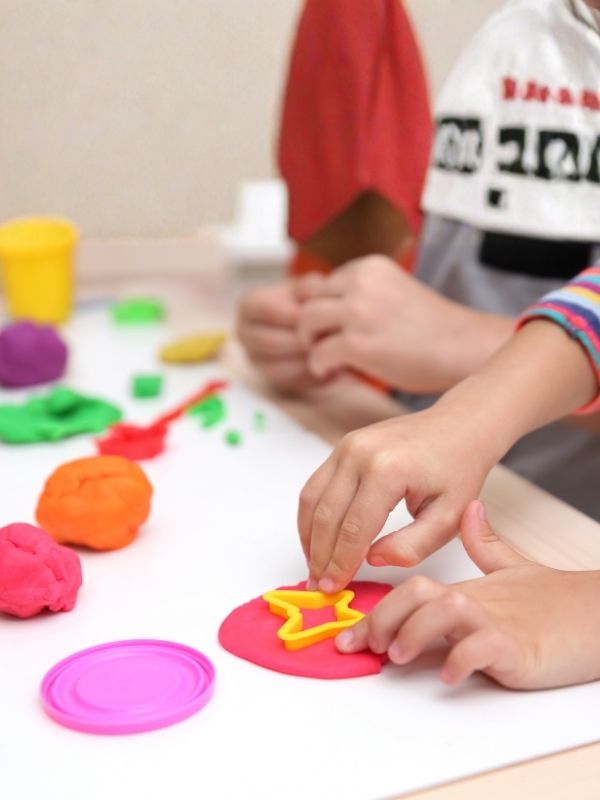
Homemade playdough is a classic sensory craft because children can squeeze, roll, flatten, pinch, and shape it.
Materials Needed
- Flour
- Salt
- Water
- Cooking oil
- Food coloring
How to Make It
Combine the dry ingredients, gradually add water and oil, and knead until the mixture reaches a soft, moldable consistency. Divide the dough and add different food colors if desired.
Give your kids or child cookie cutters, rolling pins, plastic utensils, or safe craft tools to create shapes.
Plan a full season of screen-free fun with these creative Summer Bucket List Ideas for Families With Kids at Home or Outdoors
-
DIY Texture Collage
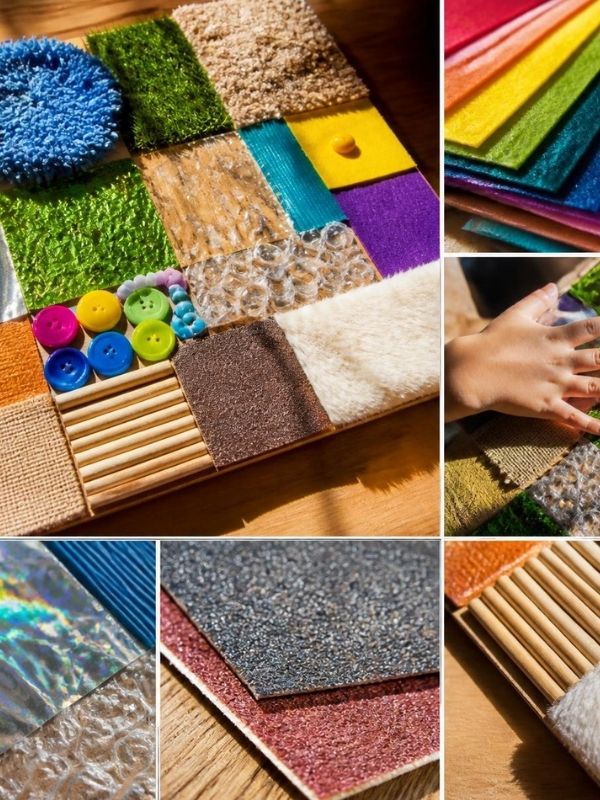
A texture collage allows children to explore the differences between smooth, rough, soft, fluffy, and bumpy materials.
Materials Needed
- Cardboard
- Glue
- Fabric scraps
- Cotton balls
- Corrugated cardboard
- Yarn
- Felt
- Large craft materials
How to Make It
Cut or tear different materials into manageable pieces. Let your child glue them onto cardboard to create a colorful texture collage.
Encourage them to describe each material as they work.
Try words such as soft, rough, smooth, fuzzy, hard, bumpy, thick, and thin.
Learning benefits: Vocabulary, sensory awareness, creativity, and fine motor control.
-
DIY Sensory Bottles
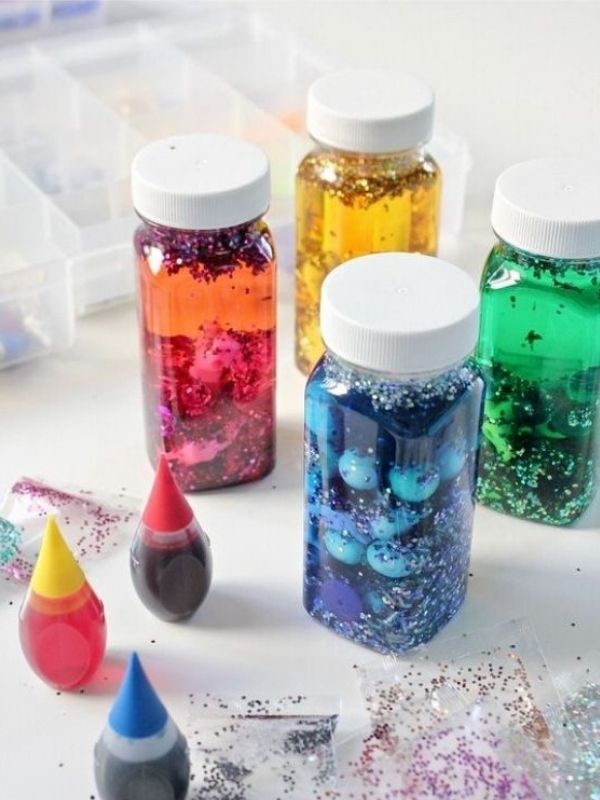
Sensory bottles are an entertaining way for children to observe movement and color without creating a messy activity.
Materials Needed
- Clear plastic bottle
- Water
- Food coloring
- Glitter or sequins
- Small decorative items
- Strong adhesive
How to Make It
Fill the bottle with water and add food coloring, glitter, or other suitable items. Secure the lid tightly with strong adhesive and allow it to dry completely before giving it to a child.
Children can shake, roll, and observe the objects moving through the liquid.
Learning benefits: Visual tracking, observation, cause and effect, and concentration.
Always supervise and ensure the bottle cannot be opened.
If your kids love liquid play, upgrade your outdoor activities with a DIY Water Table for Kids That Creates the Cutest Backyard Playtime to keep the vibe going!
-
Homemade Cloud Dough
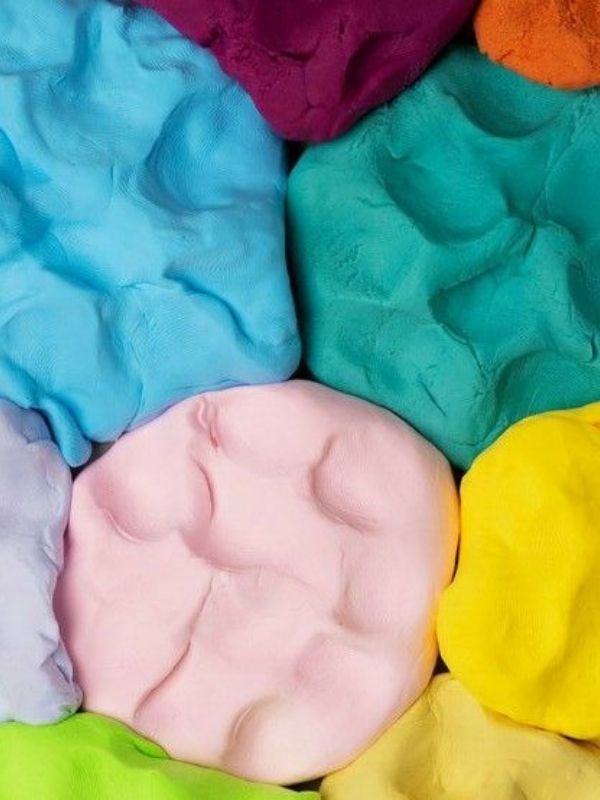
Cloud dough has a soft, crumbly texture that makes it fun to squeeze and mold.
Materials Needed
- Flour
- Cooking oil
- Large bowl
- Optional food coloring
How to Make It
Mix the flour and oil until the mixture reaches a soft, moldable consistency. Add colors if desired.
Place the dough in a tray and provide cups, molds, spoons, or toy figures.
Ask your child to build castles, roads, shapes, or imaginary worlds using the dough.
Learning benefits: Sensory exploration, fine motor skills, imaginative play, and problem-solving.
-
DIY Edible Finger Paint

For younger children who are likely to put their fingers near their mouths, consider making a simple taste-safe finger paint.
Materials Needed
- Plain yogurt or another suitable food base
- Food coloring
- Paper or a washable tray
How to Make It
Divide the yogurt into small containers and mix different food colors into each one. Give your children a paper and let them use their fingers to create patterns and pictures.
This activity combines creativity with tactile exploration.
Learning benefits: Color recognition, creativity, sensory exploration, and hand control.
For younger kids, always choose ingredients appropriate for their age and supervise the activity.
Not sure of the kind of game your toddler will love? Explore our Garden Crafts for Preschool: Fun and Easy Nature Projects for Kids for quick and easy craft ideas.
-
DIY Sensory Shakers
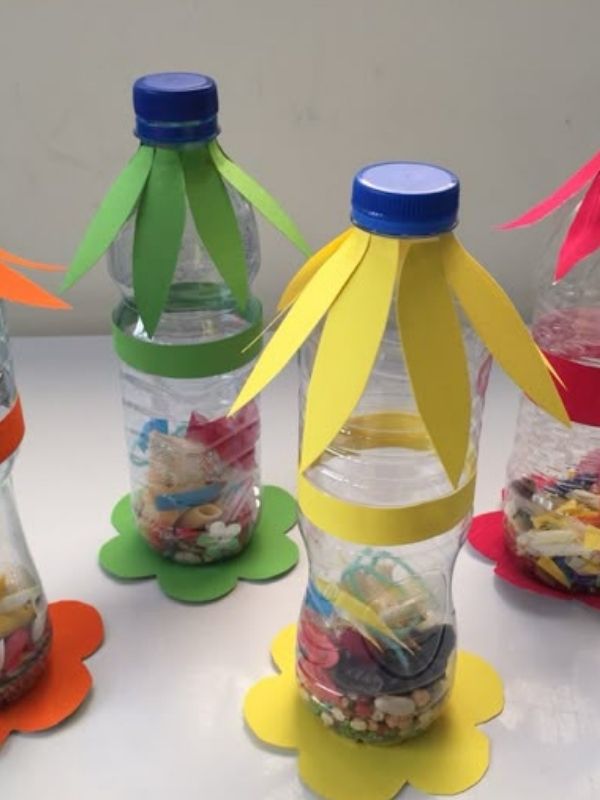
Turn recycled plastic containers into simple musical sensory crafts.
Materials Needed
- Secure plastic containers
- Dry rice, pasta, or beans
- Stickers or paper for decoration
How to Make It
Place a small amount of dry material inside the container and close it securely. Let your kids decorate the outside with stickers or paper.
They can shake the container and compare the sounds created by different fillings.
Learning benefits: Hearing, rhythm, cause and effect, and creative expression.
Make sure containers are securely sealed and supervise children closely.
-
DIY Ice Excavation Craft
This activity turns melting ice into a miniature science experiment.
Materials Needed
- Small waterproof toys
- Ice tray or container
- Water
- Bowl
- Warm water
- Droppers or spoons
How to Make It
Place small, age-appropriate objects inside a container of water and freeze it. Once frozen, give your kid a warm water and tools such as droppers or spoons to help release the objects.
Ask questions like, “What makes the ice melt faster?”
Learning benefits: Science observation, problem-solving, cause and effect, and fine motor skills.
If you are looking for faith-based projects, check out this easy Daniel and the Lion’s Den Craft: An Easy Bible Activity That Helps Kids Remember the Story to help bring Bible stories to life through hands-on learning.
-
DIY Scented Playdough
Take homemade playdough to another sensory level by introducing safe scents.
Materials Needed
- Homemade playdough
- Food-safe flavoring or another child-appropriate scent
How to Make It
Prepare your favorite playdough recipe and add a small amount of an appropriate scent. Give children different colors and let them create shapes while describing the smell.
Ask them whether the scent is strong, mild, sweet, or familiar.
Learning benefits: Smell recognition, vocabulary, creativity, and sensory awareness.
Avoid scents or ingredients that may irritate your child’s skin or trigger allergies.
-
DIY Nature Texture Art
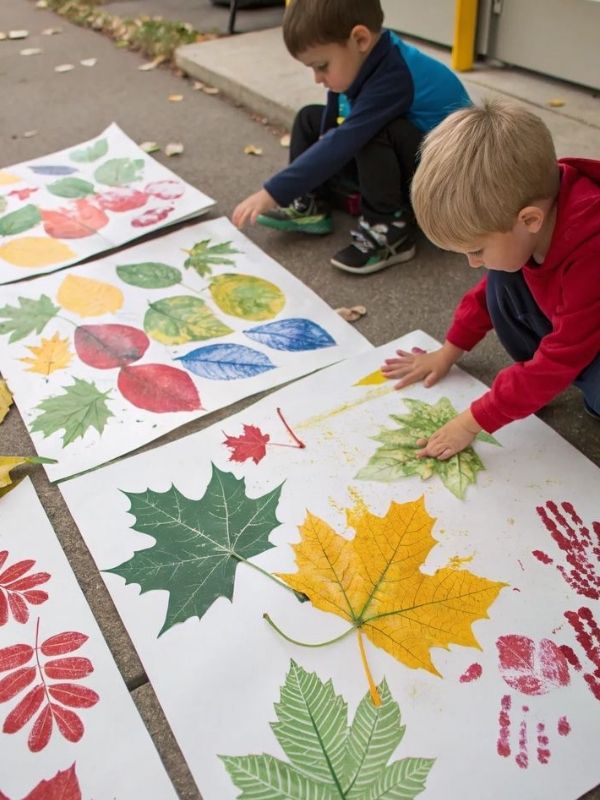
Take sensory crafting outdoors by using natural materials.
Materials Needed
- Cardboard
- Glue
- Leaves
- Large smooth stones
- Grass
- Bark
- Twigs
How to Make It
Go on a short nature walk and collect safe, age-appropriate items. Bring them home and arrange them into a collage.
Your young ones can compare textures, colors, shapes, and sizes.
Learning benefits: Nature awareness, vocabulary, classification, creativity, and sensory exploration.
-
DIY Pasta Necklace
Making necklaces from large pasta pieces is a simple craft that doubles as a fine motor activity.
Materials Needed
- Large pasta pieces
- String
- Food coloring (optional)
How to Make It
Color and dry the pasta if you want a brighter project. Give children string with a securely taped end and let them thread the pasta pieces.
Ask them to create patterns such as:
red-blue-red-blue
or
large-small-large-small.
Learning benefits: Fine motor control, pattern recognition, counting, and color identification.
For younger children, use appropriately large materials and supervise closely because small objects can present choking hazards.
-
DIY Bubble Wrap Art
Don’t throw away that leftover bubble wrap. Turn it into a fun sensory painting tool.
Materials Needed
- Bubble wrap
- Washable paint
- Paper
- Tape
How to Make It
Apply washable paint to the bubble wrap and press it onto paper. Children can experiment with different colors and patterns.
They’ll enjoy both the bumpy texture and the visual prints it creates.
Learning benefits: Texture exploration, color mixing, creativity, and hand-eye coordination.
-
DIY Rainbow Spaghetti
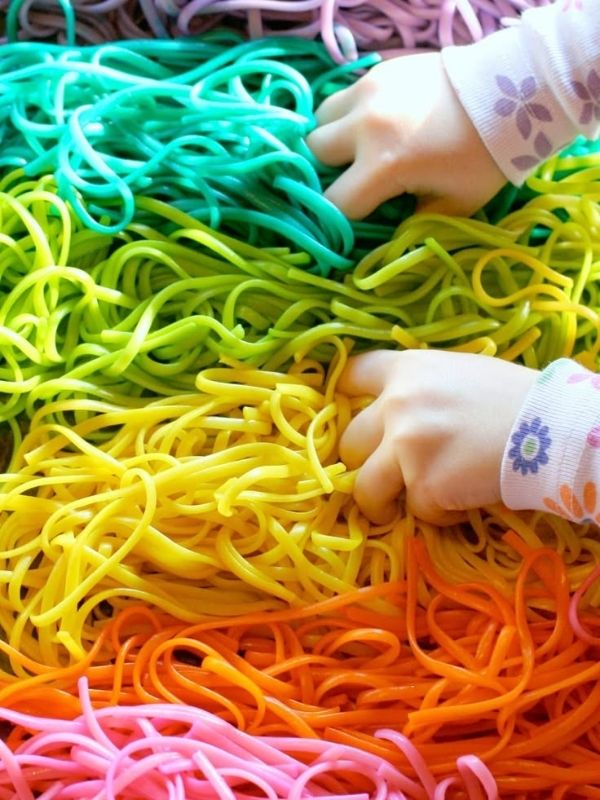
Rainbow spaghetti is soft, colorful, and fun to manipulate.
Materials Needed
- Cooked spaghetti
- Food coloring
- Several containers
How to Make It
Separate cooked spaghetti into portions and add different food colors. Allow the noodles to cool before giving them to your child. your kids can squeeze, pull, sort, and mix the colorful strands.
For younger children, use ingredients appropriate for their developmental stage and supervise the activity.
Learning benefits: Tactile exploration, color recognition, fine motor skills, and descriptive language.
-
DIY Sound Matching Game
Turn sensory play into a simple listening game.
Materials Needed
- Several identical opaque containers
- Rice
- Beans
- Pasta
- Other safe fillers
How to Make It
Fill pairs of containers with the same material and seal them securely. Mix them up and ask your child to shake each one and find matching sounds.
You can gradually make the game more challenging by adding more pairs.
Learning benefits: Listening, memory, concentration, comparison, and auditory discrimination.
-
DIY Sensory Letter Tray
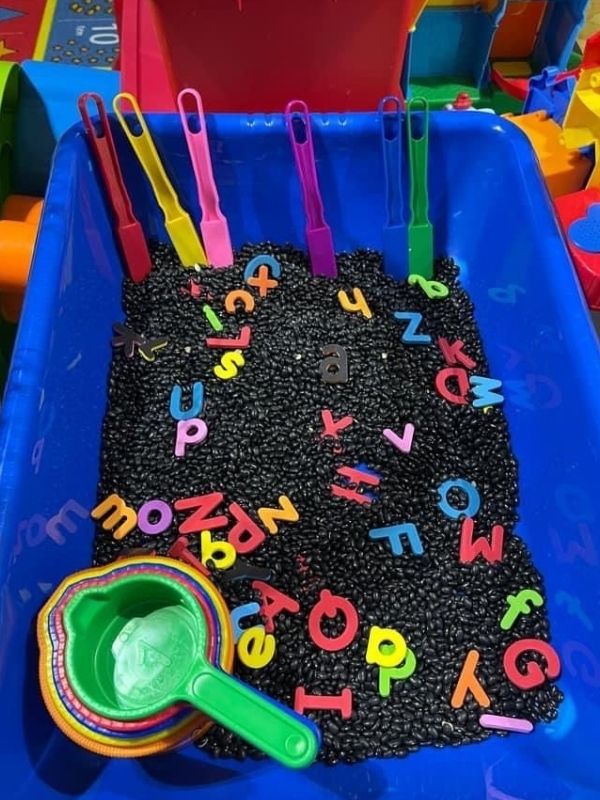
Combine sensory play with early literacy.
Materials Needed
- Tray
- Rice, sand, or another suitable sensory material
- Letter cards
How to Make It
Pour a thin layer of the sensory material into a tray. Show your child a letter and ask them to copy it by tracing the shape with their finger.
Start with simple letters and gradually introduce names or short words.
Learning benefits: Letter recognition, pre-writing skills, hand control, and memory.
How to Turn Sensory Crafts Into Learning Activities
The craft itself is only part of the experience. You can make almost any sensory activity more educational by asking questions.
Practice Counting
Ask your kids to count how many objects they find in a sensory bin.
Teach Colors
Have them sort objects by color or predict what happens when two colors mix.
Explore Math
Use cups and spoons to introduce concepts such as more, less, full, empty, bigger, and smaller.
Build Vocabulary
Encourage your children to describe what they see and feel.
Instead of asking, “Do you like it?” try:
“How does it feel?”
This encourages children to use more descriptive language.
Introduce Science
Ask questions about what happens when materials change.
For example:
- What happens when ice gets warm?
- What happens when we mix colors?
- Which object sinks?
- Which material feels roughest?
Sensory play naturally creates opportunities for children to investigate, predict, and observe.
How to Choose Sensory Crafts by Age
Toddlers
Keep activities simple and closely supervised. Focus on large, safe materials, basic textures, colors, and simple cause-and-effect activities.
Preschoolers
Introduce sorting, counting, patterns, colors, letters, and simple experiments.
School-Age Children
Make activities more challenging by incorporating science, math, writing, problem-solving, and creative storytelling.
The same sensory craft can often be adapted for different ages. A simple rice bin, for example, can become basic scooping practice for a toddler or a math-and-sorting challenge for an older child.
Sensory Craft Safety Tips
Sensory crafts should always be age-appropriate and supervised.
Keep these precautions in mind:
- Avoid small objects around children who may put materials in their mouths.
- Check ingredients for allergies.
- Don’t use toxic materials.
- Supervise activities involving food, water, or small objects.
- Keep homemade sensory materials properly stored.
- Wash hands before and after messy play.
- Stop an activity if a child becomes uncomfortable with a texture, smell, or sound.
- Use washable materials when possible.
Sensory play should encourage exploration, not force a child to interact with something they dislike.
How to Make Sensory Crafts More Fun
You don’t need to create a Pinterest-perfect activity. Actually, children tend to learn more when they’re allowed to experiment freely.
Here are Free Tips For You!
Follow Your Child’s Interests
If your child loves dinosaurs, create a dinosaur sensory bin. If they love space, make a galaxy-themed activity.
Let Them Make Choices
Give them two or three colors and allow them to choose.
Encourage Questions
Don’t immediately provide every answer. Ask what they think will happen.
Embrace the Mess
Sensory play can get messy, so use washable surfaces, trays, towels, or outdoor spaces when appropriate.
Repeat Favorite Activities
Children don’t need a new activity every day. Repeating a favorite sensory craft can help them explore it more deeply and develop confidence.
FAQs
What are easy sensory crafts for kids?
Some of the easiest options include sensory bins, homemade playdough, texture collages, sensory bottles, rainbow rice, finger painting, and nature collages.
What does sensory play teach children?
Sensory play can support fine motor skills, language development, creativity, cognitive growth, problem-solving, and social interaction.
Are sensory crafts suitable for toddlers?
Yes, but activities should be adapted to the child’s age and abilities. Avoid small objects and ingredients that could create choking hazards, and supervise young children closely.
Do sensory crafts need to be educational?
Not necessarily. Children can benefit from open-ended sensory exploration without completing a specific educational task. However, parents and teachers can naturally add learning opportunities through questions, counting, sorting, and conversation.
How can I make sensory crafts without spending much money?
Use materials you already have at home. Rice, cardboard, pasta, water, paper, fabric scraps, flour, and recycled containers can become the foundation for many sensory activities.
Final Thoughts
Learning doesn’t always need worksheets, flashcards, or screens. Sometimes, it happens when a child scoops a handful of colorful rice, squishes a ball of homemade dough, traces a letter in sand, or watches glitter slowly move through a bottle.
That’s what makes DIY sensory crafts so valuable. They give children permission to explore while naturally introducing concepts such as color, texture, counting, language, patterns, science, and problem-solving.
You don’t need expensive supplies or elaborate setups. Start with something simple and let your child’s curiosity guide the activity. Ask questions, encourage them to describe what they experience, and give them plenty of room to experiment.
Most importantly, remember that the goal isn’t to create a perfect craft. The goal is to create an enjoyable learning experience.
Here’s a task for you! Choose three of these crafts based on your child’s age and interests, then create a small weekly sensory-play routine around them, take it up from there.