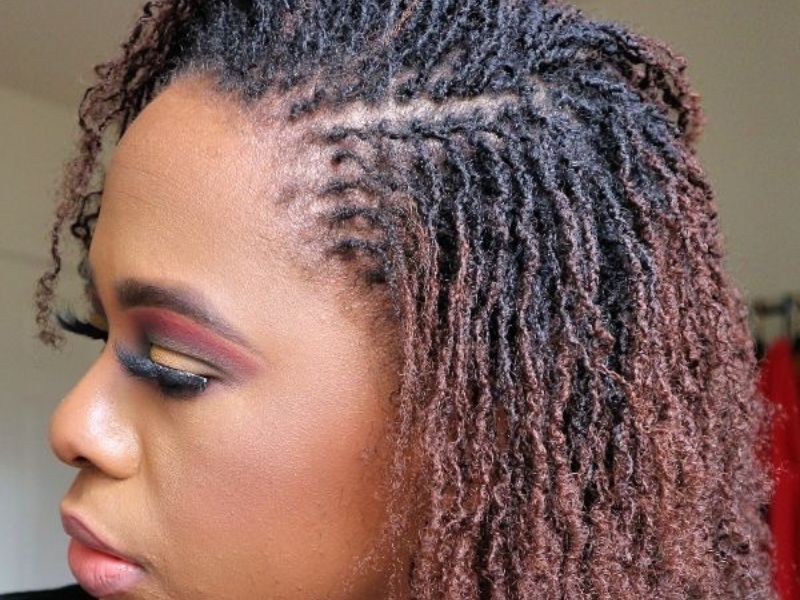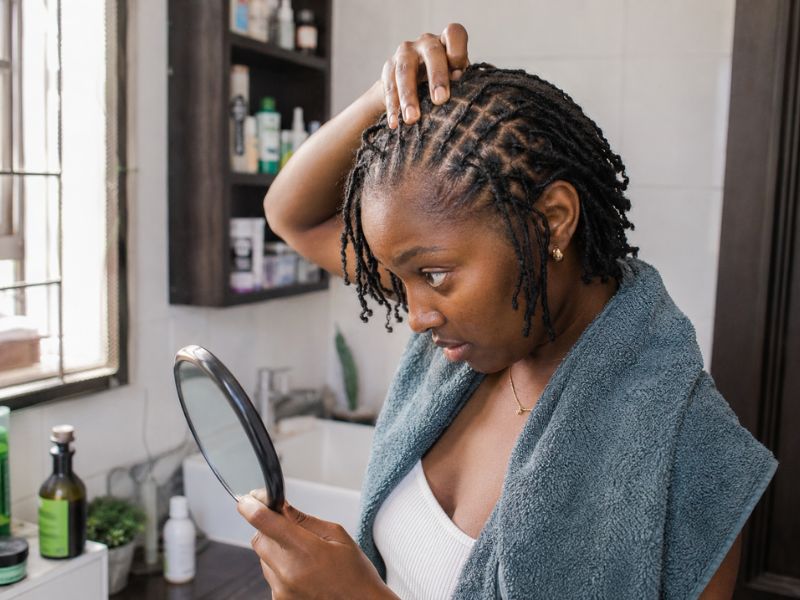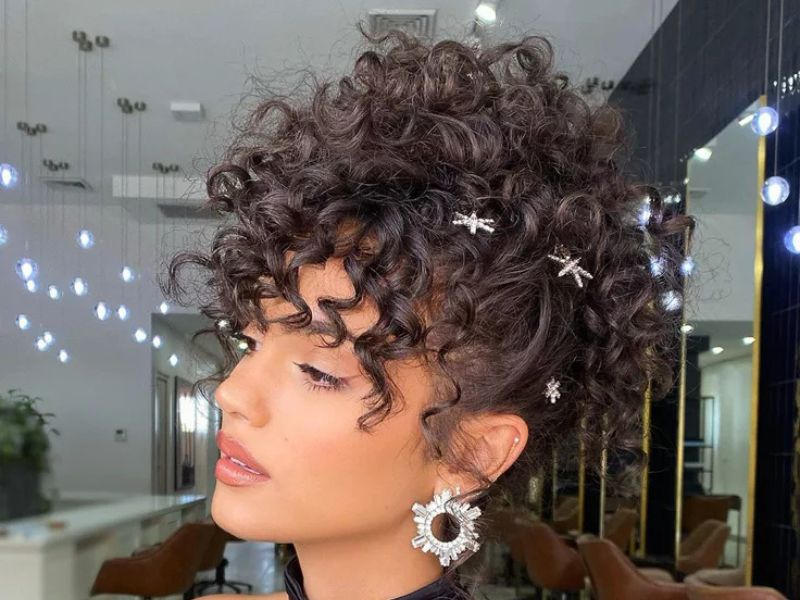
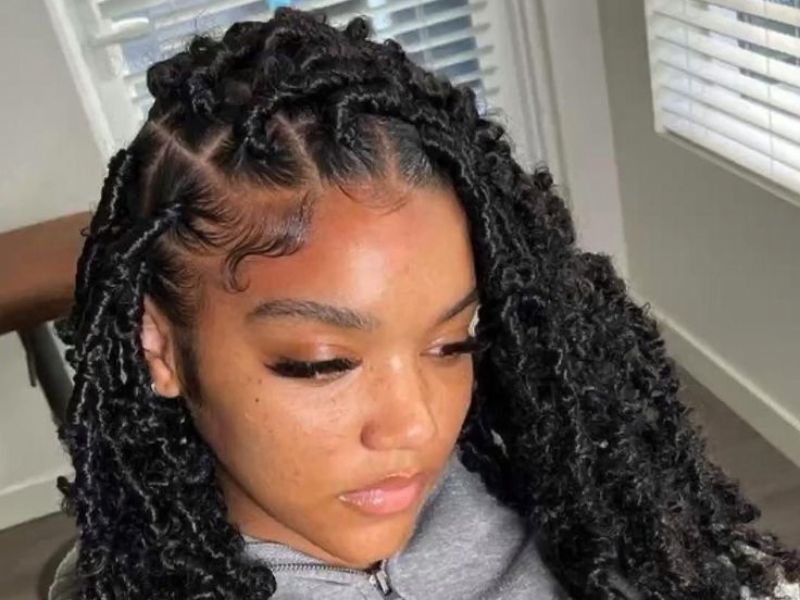
A beautiful protective hairstyle should do more than transform your appearance. It should also allow you to care for your natural hair without unnecessary stress. That is why the Butterfly locs hairstyle continues to attract attention among women who love textured, bohemian hairstyles with a soft, slightly messy finish. Its loose loops, distressed texture, and curly ends create a relaxed appearance that works for casual outings, holidays, special occasions, and everyday wear. However, getting the look right requires more than choosing the right extension hair.
The installation method, weight of the extensions, condition of your scalp, and tension around your roots all influence how comfortable your hairstyle feels. If the locs are installed too tightly or left in for too long, they may contribute to breakage, thinning edges, and unnecessary strain on your natural hair. Fortunately, you can enjoy this hairstyle while taking practical steps to protect your hair.
In this guide, you will learn how to prepare your natural hair, choose suitable extensions, understand different installation methods, maintain your locs, and remove them carefully. You will also discover styling ideas, common mistakes to avoid, and simple ways to keep your scalp comfortable throughout the installation period.
The goal is simple: create a beautiful hairstyle while making the health of your natural hair a priority.
What Is a Butterfly Locs Hairstyle?
Understanding the signature butterfly texture
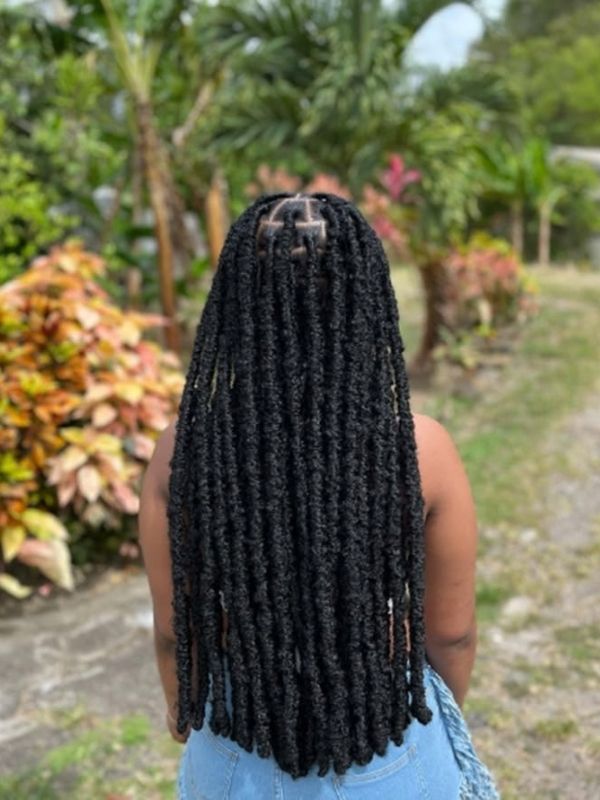
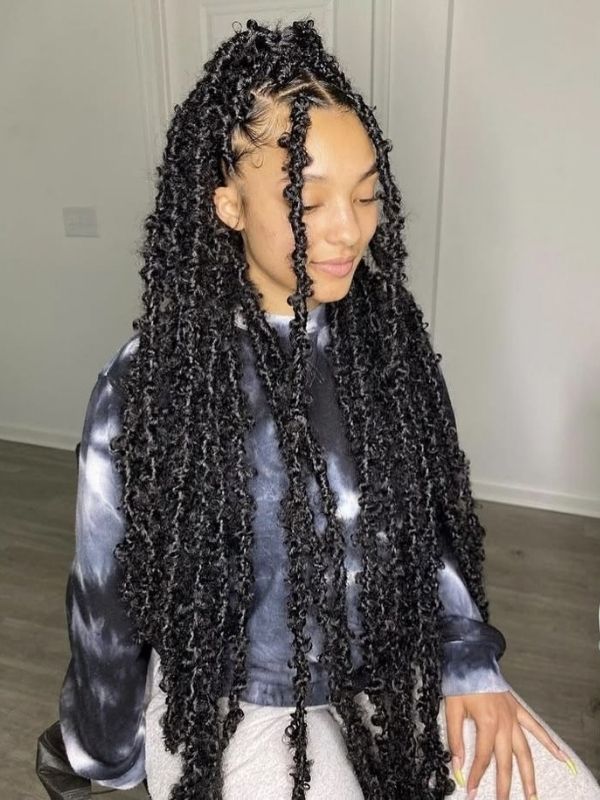
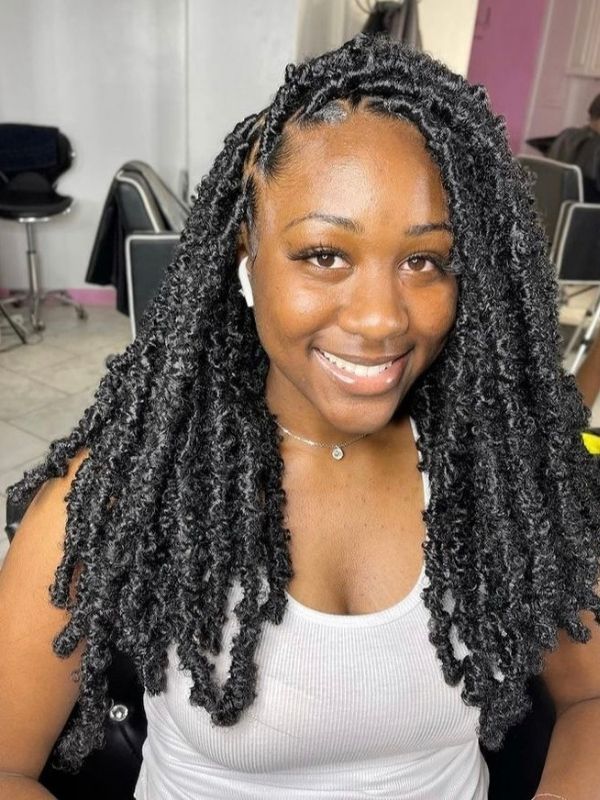
Butterfly locs are a temporary protective hairstyle made by wrapping extension hair around braided or twisted sections of your natural hair. The defining feature is the loose, looped texture that gives each loc a slightly distressed, bohemian appearance.
Unlike smooth faux locs, which often have a more polished finish, butterfly locs feature small loops and irregular sections of hair along their length. These loops create the soft, textured appearance that makes the style distinctive.
The technique usually involves braiding or twisting the natural hair first. Next, extension hair is wrapped around each section to create the appearance of a loc. The stylist deliberately incorporates loose loops into the wrapping process rather than smoothing every strand tightly against the base.
The final result can look full, textured, and relaxed without requiring you to permanently loc your natural hair.
If you are exploring different loc options, you can also read How to Care for Your Locs the Right Way: A Step-by-Step Guide for more information about maintaining healthy hair and scalp habits.
How butterfly locs hairstyle differ from traditional faux locs
Although both hairstyles create the appearance of locs, their finishes are different.
Traditional faux locs often have a smoother, more uniform surface. The extension hair is wrapped neatly around the base, creating a relatively consistent appearance from root to tip.
Butterfly locs, on the other hand, feature intentionally loose loops along the locs. These loops create movement and texture, so the finished hairstyle looks less uniform.
The wrapping technique also affects the amount of extension hair used, the final weight, and the time required for installation. However, neither style is automatically safer than the other. The condition of your natural hair and the amount of tension used during installation matter more than the name of the hairstyle.
For example, lightweight butterfly locs installed with comfortable tension may feel better than heavy, tightly wrapped faux locs. The opposite can also be true if the butterfly locs are excessively bulky.
Choose the style that suits your preferences while considering the health of your roots, edges, and scalp.
Why people choose butterfly locs hairstyle
One reason people enjoy this hairstyle is its versatility. You can choose different lengths, colours, thicknesses, and parting patterns to create a look that reflects your personal style.
The textured finish also means that individual locs do not need to look perfectly identical. This can make the hairstyle feel relaxed rather than overly structured.
Another benefit is that the style can reduce the need for daily manipulation of your natural hair. Once installed correctly, you can often refresh the appearance with simple adjustments instead of repeatedly combing, twisting, or heat-styling your own strands.
Nevertheless, a protective hairstyle is not automatically protective simply because it covers your natural hair. Excessive tension, poor cleansing, heavy extensions, and rough removal can still cause problems.
The best approach is to enjoy the appearance of the style while following a realistic maintenance routine.
How to Prepare Your Natural Hair Before Installing Butterfly Locs Hairstyle
Clean your scalp before installation
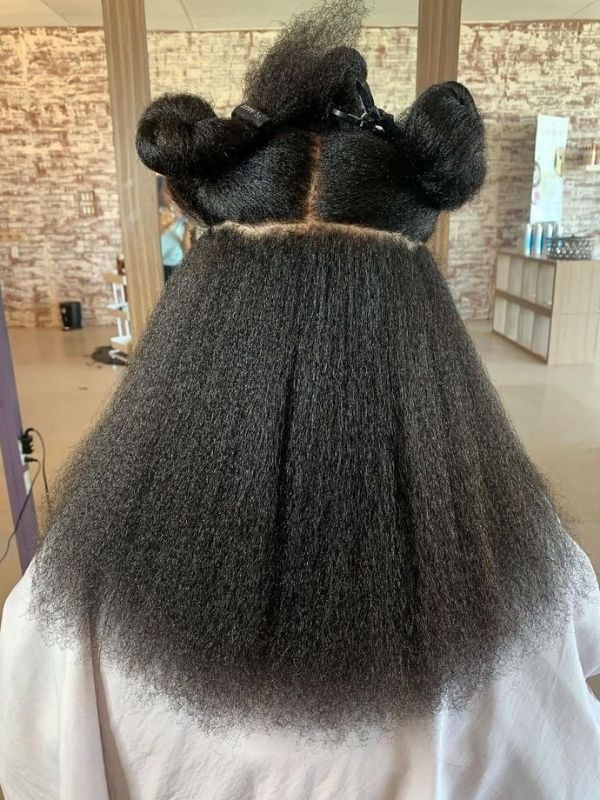
Start with a clean scalp and freshly washed hair. Cleansing removes sweat, dirt, excess oil, and product residue that could become trapped beneath your extensions.
Use a shampoo suitable for your scalp and hair type. Massage it gently into the scalp with your fingertips instead of scratching with your nails.
Rinse thoroughly to remove the shampoo. If your hair needs conditioning, apply a suitable conditioner according to its instructions and rinse it out completely.
You do not need to use several cleansing products simply because you are preparing for a protective hairstyle. A simple routine is often sufficient.
After washing, allow your hair to dry properly before installation. Damp hair can remain wet beneath tightly packed extensions, particularly when the style is dense or the locs are very long.
Clean hair also gives your stylist a better starting point. If you regularly experience itching, flaking, or scalp irritation, address those concerns before installing extensions.
Detangle your hair gently
Detangling helps the stylist divide your hair into sections without unnecessary pulling.
Begin with manageable sections rather than attempting to comb through your entire head at once. Use your fingers to separate larger tangles, then follow with a suitable wide-tooth comb if needed.
If your hair becomes difficult to detangle, apply a compatible detangling product and work slowly from the ends towards the roots.
Avoid pulling forcefully through knots. This can cause breakage before the installation even begins.
Pay attention to areas behind your ears, around your nape, and near your crown because tangles may develop there more easily.
Your hair does not need to be stretched aggressively or made perfectly straight before installation. The objective is to make the hair manageable while retaining as much healthy hair as possible.
For additional inspiration on caring for different natural textures, explore Crochet Hairstyles for Black Women, which is part of the Hairstyles & Locs section of ChiomaCreates.
Moisturise without creating heavy buildup
Your natural hair should be comfortable and reasonably moisturised before the extensions are installed.
Depending on your hair’s needs, you might use a lightweight leave-in conditioner or another compatible moisturising product. Apply it sparingly and distribute it evenly.
Avoid coating your hair with excessive oil, wax, or thick styling products. Heavy layers can make cleansing more difficult once the extensions are in place.
It is also important to distinguish moisture from oil. Oils may help reduce friction or support the feel of conditioned hair, but they do not replace water-based hydration.
You do not need to purchase an entirely new collection of products before installing the hairstyle. Use products that suit your hair and do not irritate your scalp.
If your hair is already very dry or breaking, consider postponing the installation until you have assessed the problem and adjusted your routine.
Check the condition of your edges and scalp
Before installing extensions, examine your hairline, temples, nape, and crown.
Look for areas that are unusually thin, tender, irritated, or breaking. These observations can help you and your stylist decide whether the planned hairstyle needs to be adjusted.
If your edges are fragile, ask for larger spacing between the extensions around the hairline or leave those areas out of the installation entirely.
Do not use a heavy style to conceal existing thinning. Additional weight or tension may make the problem worse.
Likewise, if your scalp is sore, inflamed, or affected by an unexplained rash, avoid installing a style that could make the discomfort harder to manage. Seek appropriate medical advice if the symptoms persist or worsen.
Healthy preparation does not guarantee that breakage will never occur. However, it gives you a better opportunity to identify problems before they become more difficult to manage.
How to Choose the Right Hair for Butterfly Locs Hairstyle
Choose lightweight extension hair
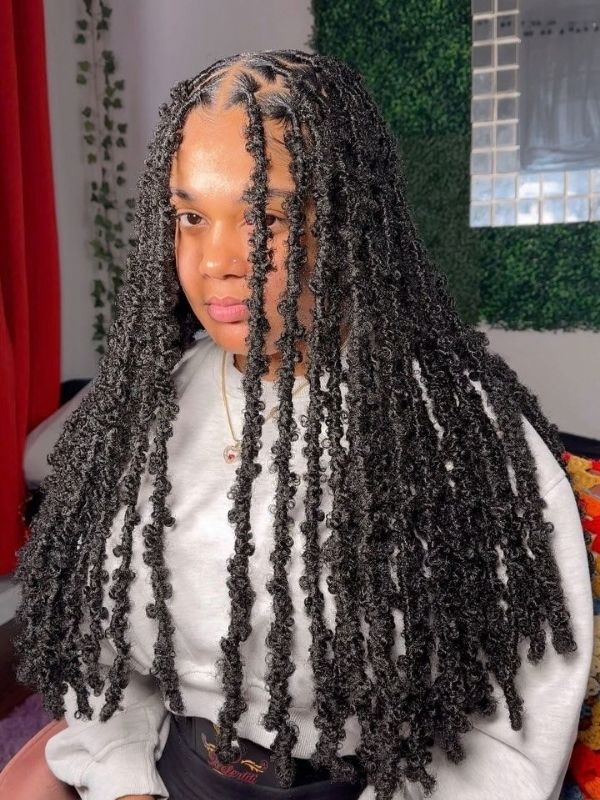
The weight of your extensions is one of the most important considerations.
Long or bulky locs may look dramatic, but they can place additional strain on your roots. When many heavy extensions are attached to small sections of natural hair, the combined weight can become uncomfortable.
Ask your stylist to consider your natural hair density, current hair condition, preferred length, and desired thickness before selecting the extensions.
Lightweight synthetic braiding hair is commonly used for this style. Some people also combine different extension textures to create the desired loops and distressed finish.
However, the amount of hair matters just as much as its texture. Using too many packs or creating oversized locs can increase the overall weight.
A comfortable installation should allow you to move your head naturally without experiencing persistent pulling or pain.
If you are uncertain about the amount of extension hair required, ask the stylist to explain the proposed size and weight before beginning.
Consider the texture of the extension hair
Butterfly locs rely on a textured wrapping technique, so the extension hair needs to work with the style you want.
Some stylists use water-wave or other textured braiding hair to create the loose loops. Others use different combinations depending on their preferred installation method.
The ideal choice depends on whether you want smaller, more defined loops or a fuller, messier finish.
Before buying the hair, look at examples of finished styles created with the same extension type. This can help you understand how the texture may appear once it has been wrapped.
You should also consider whether the hair tangles easily, feels rough against your skin, or causes irritation.
If you have previously reacted to a particular extension material, discuss alternatives with your stylist. Do not assume that every synthetic hair product will feel the same.
Select a length that suits your routine
Long butterfly locs can create a striking appearance, but they may require more care than shorter versions.
Longer extensions generally add more material and may increase the total weight. They can also take longer to dry after washing and may become caught on clothing, bags, or accessories.
Short and medium-length styles can be easier to manage during school, work, travel, or other daily activities.
Consider how often you sit against a chair, carry a backpack, exercise, or wear high-collared clothing. These small details can affect how comfortable a particular length feels.
You do not have to choose the longest style to achieve the butterfly texture. The loops and wrapping technique can still look attractive at a shorter length.
If you want a different loc-inspired appearance, How to Style Short Locs: 13 Beautiful Looks for Women offers additional styling ideas.
Think carefully about colour in this Butterfly locs hairstyle
Butterfly locs can be created in natural black, dark brown, honey brown, burgundy, blonde, or blended shades.
A single colour produces a consistent finish, while a combination of two shades can create dimension. You might choose a colour close to your natural hair for a subtle appearance or use a contrasting shade for a more noticeable style.
When selecting coloured extensions, remember that the material will sit close to your scalp for an extended period. Choose products from reputable sellers and pay attention to any signs of irritation.
You do not need to dye your natural hair to achieve a colourful butterfly locs hairstyle. Using coloured extensions allows you to experiment without applying permanent hair colour to your own strands.
This can be useful if you want to change your appearance temporarily while keeping your natural hair routine relatively simple.
Step-by-Step Guide to Installing Butterfly Locs Hairstyle Safely
Step 1: Divide the hair into manageable sections
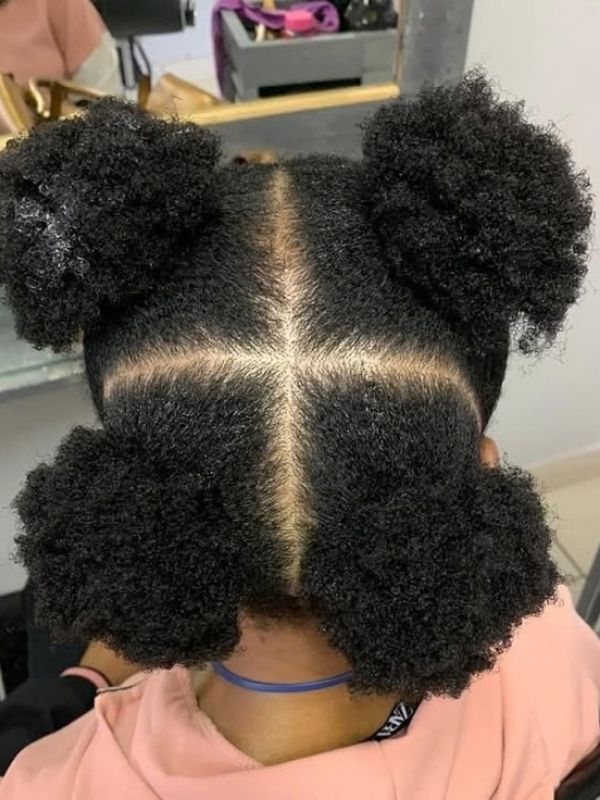
The installation begins with sectioning.
Your stylist will divide your hair into sections based on your preferred loc size, parting pattern, and natural hair density. Smaller sections generally create more individual locs, while larger sections create a fuller appearance with fewer locs.
The sections should be distributed in a way that avoids placing too much weight on delicate areas.
Pay particular attention to the hairline and temples. These areas often need a lighter touch because the hairs can be more vulnerable to tension.
The parts do not need to be extremely tight or pulled until the scalp feels stretched.
If the sectioning causes pain, tell the stylist immediately. A neat part is not worth damaging your hair.
Before proceeding, confirm that you are comfortable with the size of the sections and the amount of hair being used.
Step 2: Braid or twist the natural hair

Once the sections are ready, the stylist will generally braid or twist each section of natural hair to create a base for the extensions.
The exact technique depends on the installation method and the stylist’s experience.
The base should be secure enough to support the extensions without pulling excessively at the roots. It should not feel painfully tight or create visible tension around the hairline.
You may feel some movement as the stylist handles your hair, but persistent pain, burning, or a strong pulling sensation should never be treated as a normal requirement of installation.
If you have a sensitive scalp, communicate this before the process begins.
You can also request a less bulky foundation if your hair is fine or fragile.
Remember that the foundation supports the entire style. If it is too tight, adding more extension hair can increase the stress on your natural strands.
Step 3: Attach the extension hair carefully

The next step involves introducing the extension hair into the style.
Depending on the method, the stylist may attach the extension to the braided or twisted base before wrapping it around the section. Another method may involve a crochet technique or a different way of securing the hair.
There is no single installation method that suits everyone.
The important consideration is how the extension is attached, how much weight it adds, and whether the technique creates excessive friction or tension.
Ask your stylist to explain the method they plan to use. If you have concerns about crochet techniques or your hair’s strength, discuss them before installation.
Avoid allowing the extensions to be attached so tightly that the roots appear stretched.
A secure hairstyle should remain comfortable, not require you to tolerate pain.
Step 4: Wrap the hair to create the butterfly loc hairstyle texture

Once the extension hair is attached, the stylist wraps it around the base to create the loc-like appearance.
The wrapping technique produces the distinctive loops associated with butterfly locs. Instead of flattening every section of extension hair against the base, the stylist leaves selected loops along the surface.
These loops give the locs their textured, slightly distressed finish.
The wrapping should remain consistent enough to secure the hair without making the locs unnecessarily bulky.
You should not need excessive tension to create a convincing butterfly texture. The appearance comes from the wrapping technique, not from pulling the hair as tightly as possible.
If a particular loc feels uncomfortable, ask the stylist to check it before moving to the next section.
Step 5: Secure the ends without excessive heat
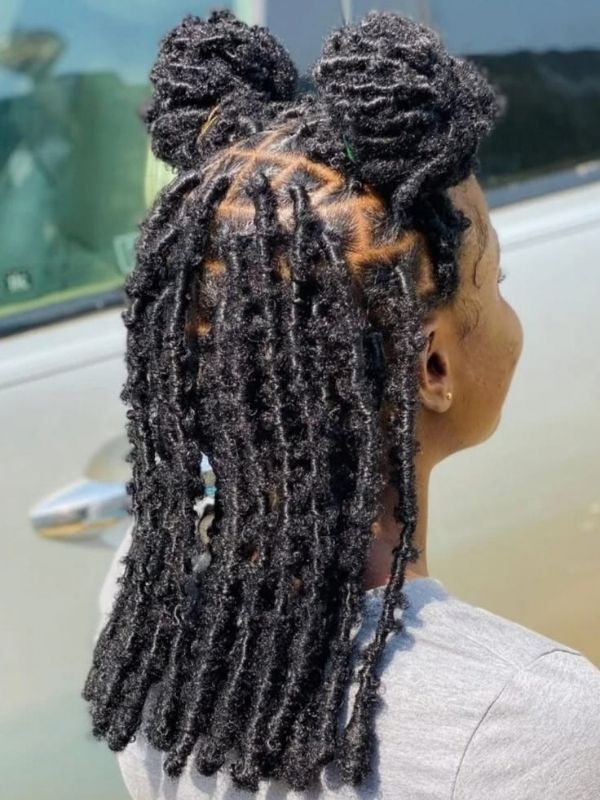
The ends need to be finished so the wrapping does not unravel easily.
The appropriate finishing method depends on the extension material and the technique used. Some methods involve wrapping or folding the ends securely, while others use a suitable product or another finishing technique.
Avoid applying direct heat to synthetic extensions unless the product is specifically designed for that method and the instructions support it.
Excessive heat can damage synthetic fibres and may create safety risks.
If your stylist uses a finishing product, it should not leave your hair coated in heavy residue.
The ends should look intentional and feel secure without creating a hard, uncomfortable lump.
Step 6: Check the finished hairstyle
After the installation, take time to assess the result.
Check the hairline, temples, nape, and crown. Make sure the locs are distributed evenly and that no section feels unusually heavy.
Move your head gently in different directions. You should be able to turn your neck and rest comfortably without strong pulling sensations.
If one section is too tight, ask for an adjustment before leaving the salon.
You should also receive clear guidance about washing, drying, sleeping, and removing the extensions.
The installation is not complete simply because the locs look attractive. Comfort and manageable maintenance are important parts of the final result.
How to Prevent Tension and Breakage During Installation
Never ignore pain because the style looks neat
One of the most important rules of protective styling is that pain should not be treated as the price of a beautiful result.
If the installation causes persistent pulling, sharp discomfort, or a burning sensation, tell the stylist and request an adjustment.
Tight hairstyles can contribute to traction alopecia, a form of hair loss associated with repeated pulling on the hair. Continued tension may damage follicles over time.
A hairstyle can look neat without being painfully tight.
Do not allow the stylist to dismiss significant discomfort as something you simply have to endure. If a section is too tight, loosening or reinstalling it may be necessary.
You should also pay attention to tenderness after installation. Some mild awareness of a new hairstyle may occur, but ongoing pain, bumps, or increasing irritation deserve attention.
If symptoms persist, remove the source of tension and seek professional advice where appropriate.
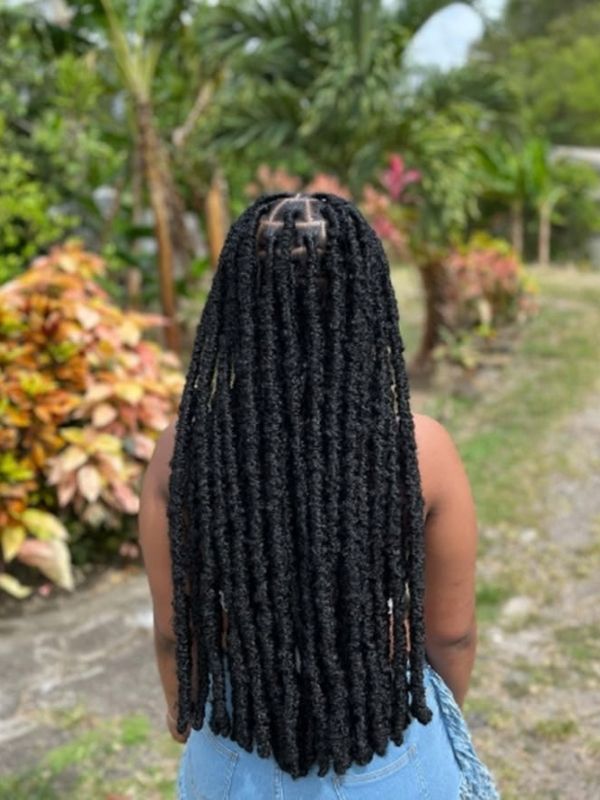
Protect the hairline and temples
The hairline is particularly important when installing extensions.
The hairs around the temples and forehead may be finer than those elsewhere on your scalp. Pulling these sections tightly or attaching heavy extensions to them can increase the risk of breakage.
Ask your stylist to use a gentle approach around the edges. You may choose to leave out a small amount of hair around the hairline if that makes the installation more comfortable.
Avoid pulling the front locs backward into tight ponytails immediately after installation.
You should also resist the temptation to use strong styling gel to force every loose hair into a perfectly smooth finish.
A softer hairline can still look polished.
For further guidance about maintaining a neat appearance without repeatedly manipulating the roots, read How to Keep Your Locs Looking Neat All the Time—Even Between Retwists.
Avoid installing excessively heavy locs
The total weight of your hairstyle matters because each extension is supported by your natural hair.
If the locs are extremely long, thick, or densely packed, their combined weight can create additional strain.
This does not mean that everyone must choose short locs. Instead, the style should be adjusted to suit your hair’s condition and ability to support the extensions comfortably.
Ask your stylist whether a lighter extension option or a slightly shorter length would be more suitable.
If you already have thinning areas, the installation may need to avoid those sections entirely.
It is also important to remember that heavy locs become more difficult to manage when they collect water. A style that feels manageable when dry may become noticeably heavier after washing.
Choose a design that remains practical throughout the maintenance period, not just during the first few hours after installation.
Do not repeatedly tighten the roots
Once the locs are installed, you should not need to keep tightening the base to maintain the style.
Repeated pulling or tightening can place additional stress on the same follicles. It may also increase the chance of breakage around the edges.
Some people feel tempted to pull their locs into tight styles whenever the roots begin to look less neat. However, new growth is a normal part of having hair.
You can often refresh the appearance with a gentle parting adjustment, a lightweight accessory, or a different arrangement.
If the installation becomes loose, consult your stylist rather than repeatedly tightening it yourself.
Your aim should be to maintain the hairstyle without creating a cycle of pulling, tightening, and further breakage.
How to Maintain Butterfly Locs Hairstyle Without Drying Out Your Natural Hair
Clean your scalp regularly
Protective styling does not eliminate the need to wash your scalp.
Sweat, dirt, dead skin cells, and product residue can collect around the roots and between the extensions. If these materials build up, your scalp may become uncomfortable or irritated.
Choose a cleansing method suitable for your hairstyle and follow the instructions for the products you use.
Apply shampoo carefully to the scalp, concentrating on areas where residue tends to collect. Avoid rough scrubbing that causes the extensions to rub aggressively against your roots.
Rinse thoroughly so the product does not remain trapped between the locs.
Your washing schedule should reflect your activity level, scalp condition, and the advice of your stylist. There is no universal schedule that works for every person.
If your scalp becomes itchy or develops noticeable buildup, do not assume you must wait until the style is removed before addressing the problem.
For a more detailed explanation of cleansing and everyday loc care, explore How to Care for Your Locs the Right Way: A Step-by-Step Guide.
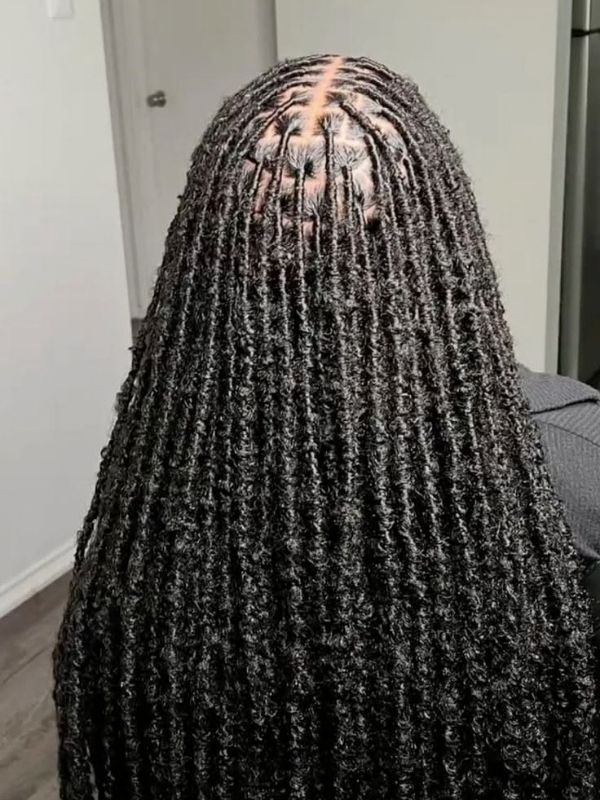
Allow your hair to dry completely
Drying is an important part of maintaining any dense extension hairstyle.
After washing, gently squeeze excess water from the locs with a clean towel. Avoid rubbing the extensions aggressively, as this may cause friction and disturb the wrapping.
Allow enough time for the locs to dry thoroughly. Depending on their length, thickness, and the amount of extension hair used, drying may take several hours.
Good airflow can help. You may also use a suitable low-heat or cool setting if appropriate for the extension material and your hair.
Do not go to bed with the hairstyle heavily soaked and assume it will dry properly overnight.
Persistent dampness can contribute to unpleasant odours and scalp discomfort.
If your locs repeatedly remain damp for long periods, consider whether the installation is too bulky or whether a lighter style would be easier to maintain in the future.
Moisturise the exposed scalp and natural hair
Your scalp and natural hair still need appropriate care while covered by extensions.
Depending on your needs, a lightweight water-based moisturiser or suitable leave-in product may help maintain the feel of your natural hair.
Apply products sparingly so they do not accumulate between the locs.
If you use oil, remember that more is not necessarily better. Heavy application can contribute to buildup and make cleansing harder.
Pay attention to how your scalp responds. A product that works well on one person may irritate another.
You should also avoid applying products directly to an irritated or broken area without appropriate advice.
The objective is to maintain a comfortable scalp and reduce unnecessary dryness, not to make the extensions feel coated.
Avoid scratching your scalp with your nails
Itching can happen during protective styling, but aggressive scratching may irritate the scalp.
If you feel itchy, first consider possible causes. These may include product residue, dryness, sweat, an overly tight installation, or a reaction to the extension material.
Gently clean the scalp when appropriate and check whether the hairstyle is causing tension.
Avoid using sharp objects to scratch between the locs. This may injure the skin or damage the hair near the roots.
If itching is severe, persistent, or accompanied by redness, swelling, sores, or unusual discharge, seek medical advice.
Do not simply cover the symptoms with more styling products.
A comfortable scalp is a better indicator of a manageable hairstyle than a perfectly polished appearance.
How Long Should You Keep Butterfly Locs Hairstyle Installed?
Understand why there is no perfect duration
The appropriate wear time depends on your hair condition, installation tension, scalp health, extension weight, and maintenance routine.
Some people plan to wear temporary loc styles for several weeks. However, a style should not remain installed simply because you have not reached a particular date on the calendar.
Your scalp may need attention earlier than expected.
If you notice persistent discomfort, increasing tension, significant matting, or difficulty keeping the scalp clean, consider removing the hairstyle sooner.
You should also watch for signs that the natural hair is becoming tangled around the base or that the extensions are placing too much stress on individual sections.
Ask your stylist for a realistic maintenance and removal timeline based on the installation.
A shorter wear period may be more suitable if your hair is fragile or you are trying this style for the first time.
Recognise when it is time for removal
The appearance of the locs can change as the weeks pass. Some loops may loosen, the roots may become more visible, and the extensions may begin to tangle.
These changes do not always mean that something is wrong. However, they can make the hairstyle harder to maintain.
Consider removing the style if the roots become heavily tangled, the extensions are increasingly difficult to cleanse, or your natural hair begins to feel unusually fragile.
Pain, persistent itching, visible thinning, or repeated breakage are also reasons to reassess the installation.
Do not keep the style in place solely because you spent time or money having it installed.
The purpose of temporary protective styling is to make hair care manageable, not to create a reason to ignore problems.
Give your hair time between installations
After removing butterfly locs, take time to assess the condition of your natural hair before choosing another extension style.
Cleanse and detangle gently. Check the hairline and the areas where the extensions were attached.
If your hair feels dry, adjust your conditioning routine. If you notice unusual breakage, consider reducing manipulation and consulting an experienced stylist.
You do not have to reinstall extensions immediately.
Wearing your natural hair loose, in a gentle low-manipulation style, or under a comfortable head wrap can give you a break from the weight of extensions.
For ideas on choosing a different look, read How to Style Short Locs: 13 Beautiful Looks for Women.
Butterfly Locs Hairstyle You Can Try
Short butterfly locs for a lightweight appearance
Short butterfly locs are a useful option if you enjoy the textured look but do not want very long extensions.
The shorter length can reduce the amount of extension hair needed, although the final weight still depends on the thickness and number of locs.
You can wear the locs loose, arrange them around your face, or use a soft accessory to create a simple side-swept appearance.
This length may also be easier to manage during everyday activities because the locs are less likely to catch on bags or clothing.
Shorter locs can still provide plenty of texture. The defining loops remain visible, so you do not need extreme length to achieve the look.
Choose a size that suits your natural hair density, and make sure the installation feels comfortable around your hairline.
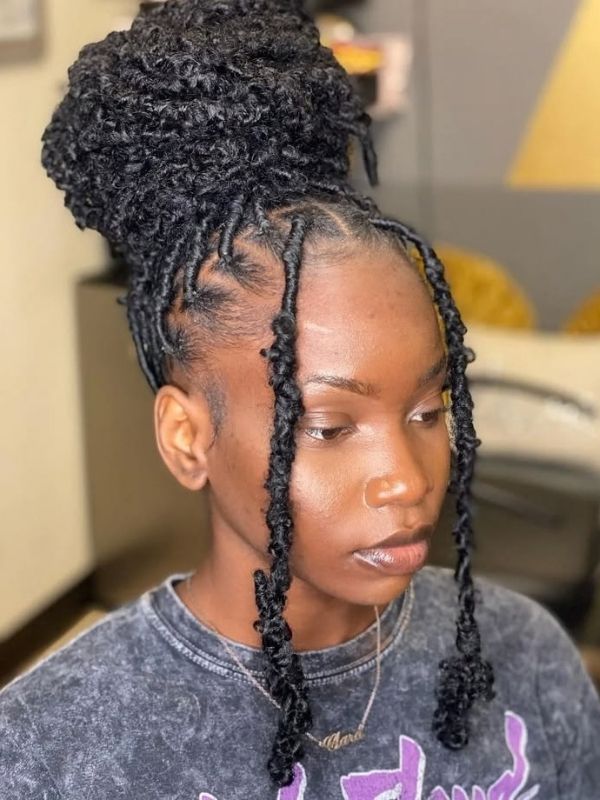
Medium-length butterfly locs hairstyle for everyday wear
Medium-length butterfly locs offer a balance between movement and manageability.
They can be worn down for a relaxed appearance or gathered loosely when you want to keep the hair away from your face.
You can also experiment with a side part or a half-up style, provided the arrangement does not pull tightly on the roots.
This length may be practical for people who want a noticeable protective hairstyle without committing to very long extensions.
However, medium-length locs can still become heavy if they are installed too thickly. Ask your stylist to consider the combined weight rather than judging each loc individually.
The best design is one you can comfortably wear throughout your daily routine.
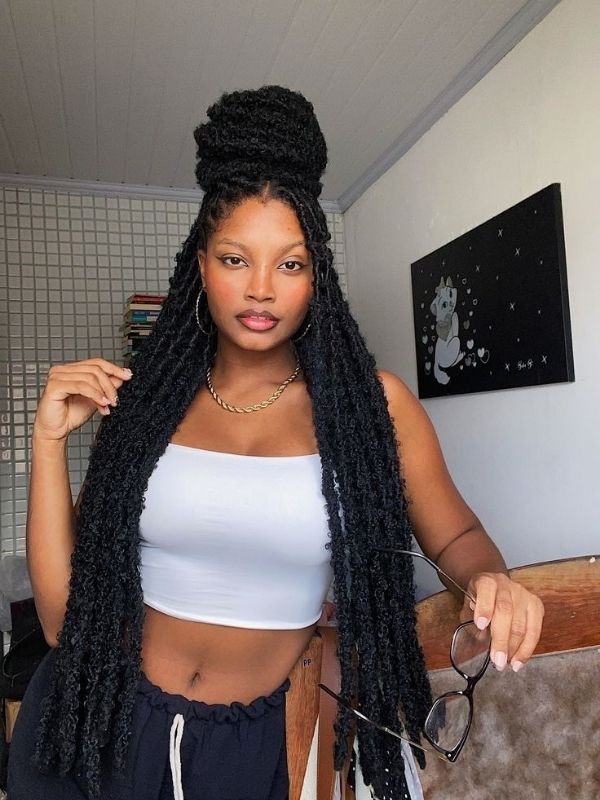
Long butterfly locs hairstyle for a dramatic finish
Long butterfly locs create a more dramatic silhouette and provide many styling options.
You can wear them loose, arrange them over one shoulder, or create a relaxed updo for a special occasion.
However, longer extensions may add weight and require more drying time after washing. They can also become caught under bags or against clothing.
If you choose a long style, consider using lightweight extension hair and avoiding excessive thickness.
Make sure the roots feel comfortable before leaving the salon.
You should also plan how you will cleanse and dry the locs. If the style is too dense for your routine, a shorter or less bulky version may be easier to maintain.
Butterfly locs with a side part
A side part creates asymmetry and changes how the locs frame your face.
The style can look relaxed when worn down or more polished when the front section is gently arranged to one side.
You do not need to pull the locs tightly to maintain the part. Instead, arrange them loosely and use a suitable accessory if necessary.
Avoid repeatedly forcing the roots into a deep part if doing so causes tension.
For more parting inspiration, see 15 Middle Part Hairstyles Ideas That Look Gorgeous, which includes hairstyle ideas within the site’s broader collection.
Although that guide focuses on middle parts, it can help you think about how different parting patterns affect the overall appearance of a hairstyle.
Half-up, half-down butterfly locs hairstyle
A half-up, half-down style allows you to show off the locs while keeping some of the hair away from your face.
Gather a manageable section from the front or crown and secure it loosely. Let the remaining locs fall naturally.
Use a soft accessory that does not grip the roots too tightly.
If your locs are heavy or your hairline is delicate, avoid gathering too many extensions into the upper section.
You can create a similar effect with a smaller section or leave the front locs loose.
This style works for casual outings, celebrations, and everyday wear. It also allows you to change the appearance of the locs without reinstalling the extensions.
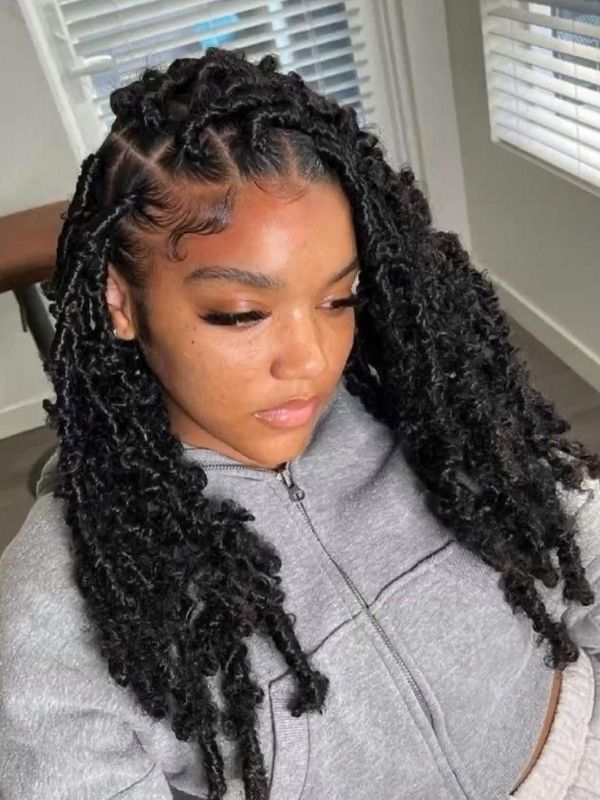
Butterfly locs in a loose bun
A loose bun can be a practical way to keep longer locs away from your face.
Gather the locs gently and arrange them into a bun that does not require strong pulling at the roots.
Use suitable pins or a soft accessory to hold the style in place.
Avoid creating a tight bun that remains under tension throughout the day. If you feel pulling around your temples or crown, loosen the arrangement.
You can also choose a lower bun if a high style feels uncomfortable.
For more updo inspiration, explore 15 Curly Updos You’ll Wear on Repeat. The guide offers ideas for arranging textured hair into updos, although you should adapt each look to the weight and length of your extensions.
Butterfly locs with decorative cuffs
Hair cuffs can add detail without changing the overall installation.
Choose lightweight accessories and place them where they do not pull on individual locs. You can use a few cuffs for a subtle effect or select a coordinated set for a more noticeable finish.
Check that each accessory is smooth and secure. Rough edges may catch the extension fibres or snag nearby hair.
Avoid placing too many heavy decorations on the same loc.
Accessories should be easy to remove during washing or before taking down the hairstyle.
If you enjoy changing the appearance of your hair with small details, How to Elevate Your Look with Fashionable Headbands Hairstyles provides additional inspiration for coordinating hair accessories with different outfits.
Butterfly locs hairstyle with a scarf
A scarf offers a simple way to add colour while keeping the style relaxed.
You can tie it around the head like a band, use it to frame the front of the hairstyle, or wrap it around a loose bun.
Choose a fabric that feels comfortable against your skin and does not create excessive friction.
Avoid tying the scarf so tightly that it pulls on your hairline.
You can coordinate the scarf with your outfit or use a contrasting shade to make it stand out.
A scarf can also help you create a different appearance when you do not want to manipulate the locs themselves.
Common Mistakes to Avoid With Butterfly Locs Hairstyle
Choosing extensions based only on appearance
It is easy to focus on colour, length, and texture when selecting extension hair.
However, a style that looks beautiful in a photograph may not be practical for your own hair condition or lifestyle.
Consider the weight, the thickness of the locs, and how easily you will be able to clean and dry the finished style.
Ask the stylist to explain the options rather than assuming that the most dramatic design will suit everyone.
If your hair is fragile, a lighter and shorter installation may be more appropriate.
The objective is to find a style that balances appearance with comfort and maintenance.
Installing the locs too tightly
Tight installation is one of the mistakes worth taking seriously.
Excessive tension can cause discomfort and may contribute to traction-related hair loss if the pulling continues.
A hairstyle should not cause persistent pain, bumps, or a strong pulling sensation.
If the roots feel stretched, ask for an adjustment before the installation is complete.
Do not rely on painkillers or other measures to tolerate an excessively tight style. The source of the tension needs to be addressed.
Using too much styling product
Heavy gels, waxes, and oils may accumulate between the locs.
This buildup can make the hair difficult to cleanse and may contribute to scalp discomfort.
Use products sparingly and choose formulas that suit your hair and scalp.
If the hairstyle needs a large amount of product to look presentable, discuss a simpler finishing method with your stylist.
You can maintain a textured appearance without coating every loc.
Neglecting cleansing and drying
A protective hairstyle still requires regular care.
Skipping cleansing entirely can allow sweat and residue to collect around the roots. Washing without allowing the locs to dry thoroughly can also create problems.
Develop a routine that allows you enough time to clean and dry the hairstyle properly.
If you cannot manage the maintenance demands of a particular length or thickness, choose a simpler version next time.
For further advice about addressing loc-related concerns, read How to Fix Common Loc Problems and Keep Your Locs Healthy.
Leaving the hairstyle in despite discomfort
Do not allow a planned wear period to override your scalp’s needs.
If the hairstyle causes persistent pain, increasing itching, or visible breakage, reassess it promptly.
You may need to loosen or remove the extensions rather than waiting for the original removal date.
If symptoms are severe or do not improve after removing the source of tension, seek medical advice.
Protective styling should support your hair-care routine, not force you to ignore warning signs.
How to Remove Butterfly Locs Hairstyle Without Damaging Your Hair
Prepare before taking the extensions down
Choose a time when you can work patiently rather than rushing through the process.
Gather suitable tools, including scissors for extension hair where necessary, a wide-tooth comb, a detangling product, and a towel.
Make sure you understand which part of the loc contains the extension hair and which part contains your natural hair.
If you are unsure how the extensions were installed, ask your stylist to explain the removal process.
This is particularly important when the wrapping is dense or the natural hair is difficult to distinguish from the extension material.
Do not begin cutting until you can confidently identify where your natural hair ends.
Unwrap the extension hair carefully
Begin at the ends and work upward through the wrapping.
Remove the extension hair gradually instead of pulling the entire loc apart at once.
If a section catches, stop and examine it rather than pulling harder.
Some methods may require a different approach depending on how the extensions were attached. Follow the installation method when deciding how to release the wrapping.
If you encounter severe tangling, seek help from an experienced stylist.
Taking extra time during removal can reduce unnecessary friction and pulling on your natural strands.
Detangle the natural hair gently
After removing the extensions, you may notice shed hairs that remained trapped during the wear period.
Some shedding is a normal part of the hair growth cycle. The presence of shed hair does not automatically mean the style has caused damage.
Apply a suitable detangling product and work in small sections.
Use your fingers first, then a wide-tooth comb if necessary. Start at the ends and gradually move toward the roots.
Do not force a comb through a dense knot.
If the hair is severely matted or you cannot distinguish the extension from your natural hair, ask a professional for help.
Wash and condition after removal
Once the extensions are out, cleanse your scalp and natural hair to remove residue.
Use a shampoo that suits your scalp and rinse thoroughly.
Follow with an appropriate conditioner to help make the hair easier to detangle and manage.
Avoid immediately applying several strong treatments because your hair may need a simple, gentle routine after removal.
Take the opportunity to examine your edges and roots.
If you notice persistent tenderness, unusual thinning, or extensive breakage, consider getting professional advice before reinstalling another protective style.
Give your natural hair a break
You do not have to move directly from one extension hairstyle to another.
A break gives you time to assess your hair, cleanse your scalp, and decide whether your routine needs adjusting.
During this period, choose comfortable, low-manipulation hairstyles that do not pull on the roots.
You may also wish to trim damaged ends if needed, although trimming should be based on the condition of your hair rather than a belief that every protective style requires a haircut afterward.
If you are considering a longer-term loc journey instead of temporary extensions, read How to Transition from Relaxed Hair to Locs Without Damaging Your Hair.
Frequently Asked Questions About Butterfly Locs Hairstyle
1. What is a butterfly locs hairstyle?
A butterfly locs hairstyle is a temporary protective style created by wrapping extension hair around braided or twisted sections of natural hair. Its defining feature is a series of loose loops that give the locs a textured, bohemian appearance.
The style can be customised with different lengths, thicknesses, colours, and parting patterns. However, the extensions should be lightweight enough for your natural hair to support comfortably.
2. Can butterfly locs damage natural hair?
Yes, they can contribute to damage if they are installed too tightly, made excessively heavy, maintained poorly, or removed roughly.
Repeated tension may cause breakage and traction alopecia. Product buildup and inadequate cleansing can also affect scalp comfort.
You can reduce avoidable risks by choosing a suitable weight, protecting the hairline, cleaning the scalp, and removing the extensions when problems arise.
No protective hairstyle is completely risk-free, so pay attention to how your hair and scalp respond.
3. How long can I keep butterfly locs installed?
There is no single wear period that suits everyone.
The appropriate duration depends on your hair condition, the installation method, the weight of the extensions, and your ability to maintain a clean, comfortable scalp.
Follow your stylist’s guidance and remove the locs earlier if you experience persistent pain, irritation, excessive tangling, or breakage.
Do not keep a hairstyle installed simply to reach a particular number of weeks.
4. Are butterfly locs suitable for short natural hair?
They may be suitable for short natural hair if there is enough length to create a secure base without excessive tension.
However, very short hair may be harder to grip or braid, depending on the installation technique.
An experienced stylist can assess your hair length and suggest an appropriate method.
Avoid using heavy extensions to compensate for insufficient length. The installation should work with your natural hair rather than placing unnecessary stress on it.
5. Which extension hair is best for butterfly locs?
Textured synthetic braiding hair is commonly used because it can help create the loops associated with the style.
Some stylists use water-wave hair or combine extension textures to achieve their preferred finish.
The best choice depends on your desired appearance, scalp sensitivity, and the amount of weight your natural hair can comfortably support.
Always consider texture and weight together rather than choosing extensions based on appearance alone.
6. Can I wash butterfly locs?
Yes. Your scalp still needs cleansing while the extensions are installed.
Use a suitable washing method, rinse thoroughly, and allow the locs to dry completely.
The amount of time required for drying depends on the length and thickness of the style.
If your scalp becomes uncomfortable or develops buildup, adjust your cleansing routine rather than assuming you must wait until removal.
Conclusion: Enjoy Butterfly Locs Hairstyle Ideas While Protecting Your Natural Hair
A beautiful protective hairstyle should fit into your life without making healthy hair care more difficult. The Butterfly locs hairstyle offers a textured, versatile appearance that you can customise with different lengths, colours, and styling options. Its loose loops create a distinctive finish, making it suitable for people who prefer a relaxed alternative to smoother faux locs.
However, the installation and maintenance methods matter just as much as the final appearance.
Start with clean, detangled hair and choose extensions that your natural hair can comfortably support. Ask your stylist to avoid excessive tension, especially around your edges and temples. Once the locs are installed, maintain a suitable cleansing routine, allow the extensions to dry thoroughly, and use styling products sparingly.
You should also pay attention to discomfort. Persistent pulling, itching, tenderness, and visible thinning are reasons to reassess the hairstyle rather than ignore the problem.
When it is time for removal, work slowly and protect your natural strands from unnecessary pulling. Afterward, cleanse and condition your hair, examine its condition, and consider taking a break before installing another extension style.
Most importantly, remember that protective styling is about more than appearance. It should support your hair-care routine while allowing you to express your personal style.
With thoughtful preparation, a suitable installation, and consistent maintenance, you can enjoy the butterfly look while making the health of your natural hair a priority.