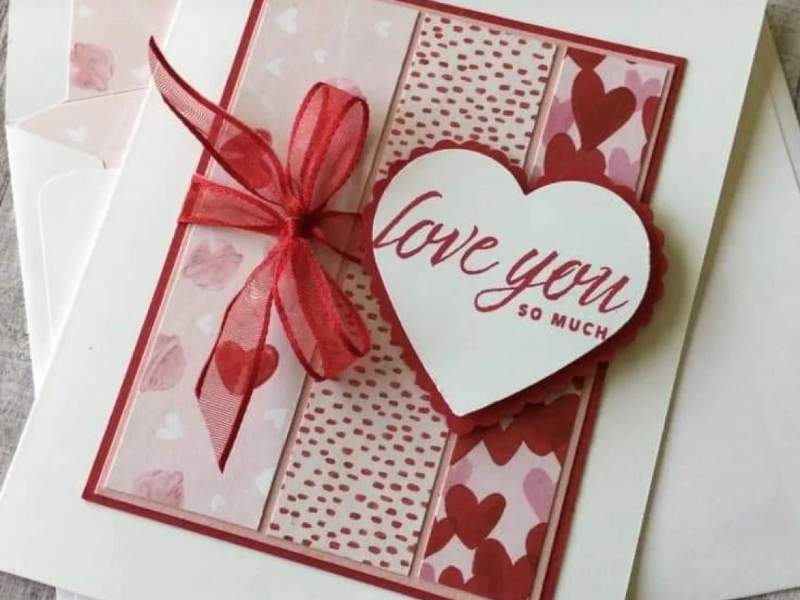
Valentine’s Day is a special time to celebrate love, friendship, and the people who make our lives better. While chocolates, flowers, and thoughtful gifts are popular ways to show affection, a handmade card can make the occasion even more meaningful. It gives you an opportunity to express your feelings in your own words and create something that feels personal rather than ordinary.
If you are looking for Valentine’s Day cards ideas that are creative, affordable, and easy to make at home, there are plenty of beautiful options to explore. You do not need expensive supplies, professional crafting skills, or hours of free time to create a card someone will appreciate. With cardstock, scissors, glue, and a little imagination, you can make something thoughtful for your partner, best friend, parents, children, or anyone special in your life.
One of the best things about DIY Valentine’s Day cards is the freedom to customize every detail. You can use someone’s favorite colors, add a memorable photograph, include a private joke, or write a message that reflects your relationship. Even a simple card decorated with paper hearts can become a treasured keepsake when it carries a sincere message.
In this guide, you will discover unique Valentine’s Day cards ideas for different styles, budgets, and skill levels. You will learn how to make heart-shaped cards, pop-up designs, photo cards, watercolor creations, and other handmade projects. You will also find practical tips for choosing materials, writing meaningful messages, decorating your cards, and making each design look beautiful without spending too much money.
Whether you are preparing a romantic surprise or making several cards for friends and family, these DIY Valentine’s Day cards will help you share love in a creative and memorable way.
Why Handmade Valentine’s Day Cards Are Worth Making
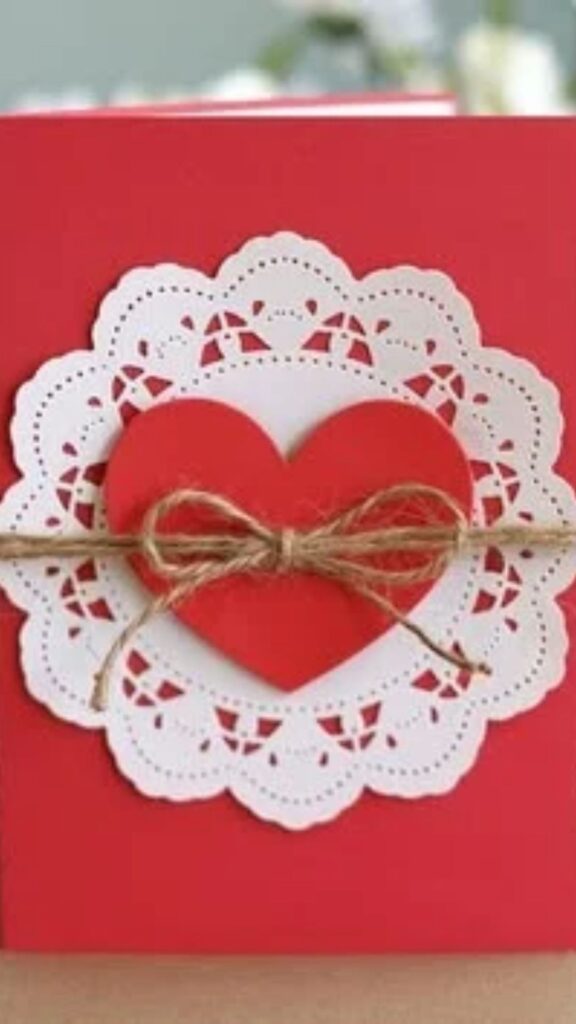
Store-bought cards are convenient, but handmade cards offer something different. They allow you to create a design that reflects the recipient’s personality and the relationship you share.
Think about receiving a card that includes your favorite color, a photograph from a memorable day, or a message that refers to a conversation only you and the sender remember. Those small details can make the card feel much more personal.
This is why handmade Valentine’s Day cards are worth considering when you want to make someone feel appreciated. You are not simply choosing a design from a shelf. You are spending time creating something specifically for that person.
Another advantage is affordability. Many Valentine’s Day cards ideas require only basic craft supplies, some of which you may already have at home. Leftover wrapping paper, old magazines, ribbons, colored pencils, and unused gift bags can all become useful decorating materials.
Making cards can also be an enjoyable activity for children, couples, friends, and families. You can spend an afternoon crafting together, exchanging designs, and creating small keepsakes for people you care about.
Most importantly, your card does not have to look professionally printed to be meaningful. A slightly uneven heart or a handwritten message can make the finished design feel genuine.
You’ll also love our post on 10 Handmade Valentine’s Day Gift for Him That Feel Extra Special
Before trying these Valentine’s Day cards ideas, gather the supplies you need. You do not have to purchase everything on the list. Start with what you already have and add other materials only when a particular project requires them.
Cardstock and colored paper
Cardstock is one of the most useful materials for making handmade cards because it is thicker and sturdier than ordinary paper. It helps your card maintain its shape and gives the finished design a neat appearance.
White, cream, pink, and red are popular choices for Valentine’s Day, but you can use any color that suits your style. Kraft paper, burgundy, lavender, and pastel shades can also create beautiful results.
Colored craft paper is useful for cutting out hearts, flowers, stars, and other decorations.
Scissors and glue
Scissors help you cut your card base and decorative shapes. Choose a pair that is comfortable to hold and suitable for the type of paper you are using.
Glue or double-sided tape helps attach photographs, paper hearts, ribbons, and other decorations. Double-sided tape is especially useful when you want a clean finish without visible glue marks.
Markers and pens
Markers and colored pens are useful for writing greetings, drawing small illustrations, and adding decorative details.
A fine-tip black pen can make lettering stand out against a light background. Colored markers are helpful for creating borders, patterns, and simple illustrations.
Other optional supplies
Depending on the design you choose, you may also need:
- Watercolor paints and brushes
- Washi tape
- Stickers
- Ribbon or twine
- Magazine pages
- Printed photographs
- Fabric scraps
- Paper doilies
- Rulers
- Pencils and erasers
- Envelopes
- Heart-shaped paper punches
Remember that you do not need every supply to create beautiful DIY Valentine’s Day cards. A simple design made with a few well-chosen materials can look just as attractive as a more elaborate project.
Simple Heart-Shaped Valentine’s Day Cards
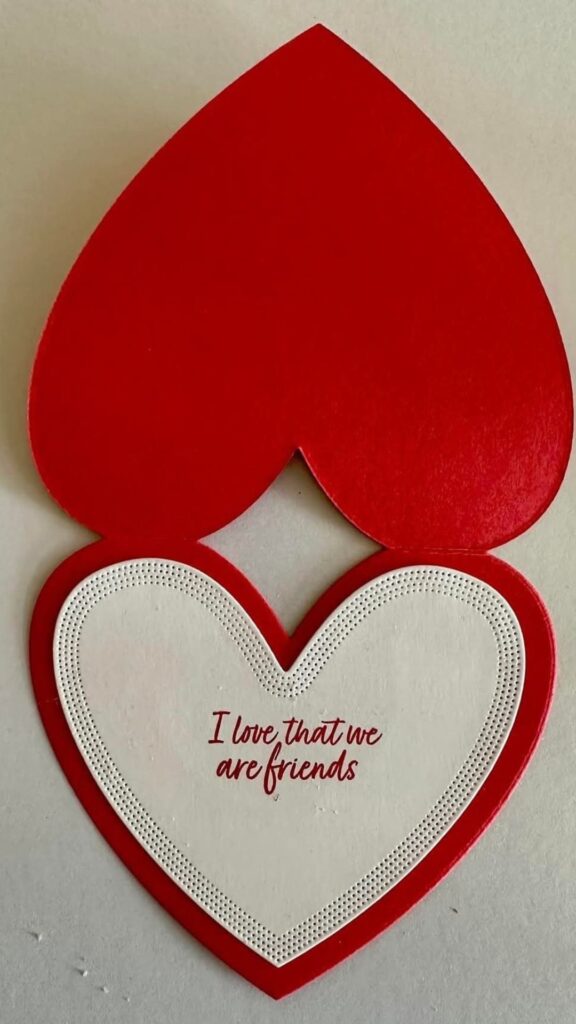
Heart-shaped cards are classic, easy to make, and suitable for almost anyone. They are especially useful for beginners who want to create something attractive without learning complicated techniques.
Among the many Valentine’s Day cards ideas available, this design is one of the easiest to personalize.
Materials you will need
- Red, pink, white, or cream cardstock
- Pencil
- Scissors
- Glue
- Colored markers
- Optional decorative paper
How to make the card
Fold a piece of cardstock in half. Draw half a heart along the folded edge, making sure part of the shape remains connected to the fold.
Cut carefully around the outline without cutting through the folded section. When you open the paper, you should have a heart-shaped card that opens like a small booklet.
Write a greeting on the front, such as “You Make My Heart Happy” or “Sending You Lots of Love.”
Inside, write a personal message explaining why the recipient is special to you.
For extra decoration, cut smaller hearts from contrasting paper and attach them to the front. You could also draw tiny flowers or add a simple border.
How to make it unique
Instead of using traditional red and pink, choose colors that the recipient loves. A cream card with one burgundy heart can look elegant, while a bright yellow and pink design can feel playful.
You could also write a short list of things you appreciate about the recipient inside the card.
For example, you might mention their kindness, their sense of humor, or the way they make difficult days easier.
These personal details turn an ordinary heart card into something more meaningful.
DIY Pop-Up Heart Valentine’s Day Cards
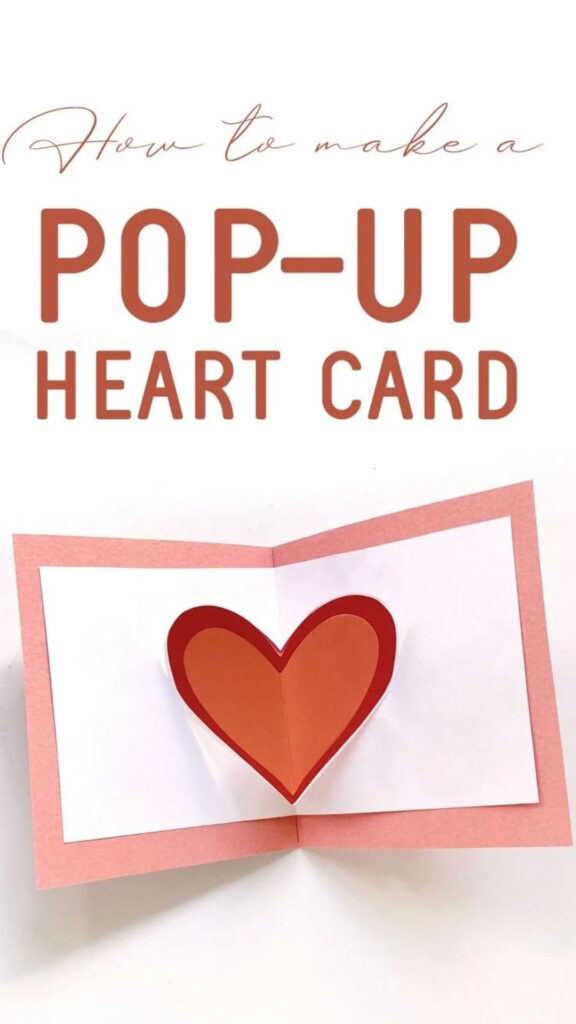
If you want to surprise someone when they open their card, a pop-up heart design is an excellent choice. The heart rises from the center of the card, creating a small three-dimensional feature.
Although pop-up cards look impressive, a simple version can be made with ordinary paper and a little patience.
Materials you will need
- Two sheets of cardstock
- Colored craft paper
- Scissors
- Pencil
- Glue
- Ruler
- Markers
How to make the card
Fold one sheet of cardstock in half to create the outer card.
Cut a heart from colored paper. Next, cut a narrow strip of paper and fold it into a small accordion shape.
Attach one end of the folded strip to the back of the heart and the other end to the inside of the card. When the card opens, the folded strip should help the heart rise.
You can use two small folded paper tabs instead if you prefer a simpler support system.
Before adding decorations, open and close the card several times to make sure the heart folds flat and does not get caught against the edges.
Write a greeting around the pop-up feature or place your main message inside the card.
Ways to personalize your pop-up card
You could create several small hearts instead of one large heart. Another option is to add a tiny paper flower beside the main shape.
For a romantic card, write “You Make Every Day Better” on the heart. For a friend, try “I’m Lucky to Have You.”
If you are making this card for a partner, you can include a short handwritten message about a favorite memory.
The surprise of opening the card makes this one of the most memorable Valentine’s Day cards ideas to try at home.
Handmade Valentine’s Day Cards With Photos
A photograph can turn a simple card into a personal keepsake. It allows you to celebrate a real memory instead of relying entirely on decorative shapes.
Photo cards work particularly well for couples, close friends, parents, siblings, and grandparents.
Materials you will need
- Cardstock
- A printed photograph
- Scissors
- Glue or double-sided tape
- Pens
- Optional decorative paper
How to make the card
Choose a photograph that means something to both you and the recipient. It could be from a holiday, birthday, celebration, or an ordinary day when you shared a happy moment.
Fold the cardstock in half and decide where you want the photograph to sit. You can place it in the center or position it toward one corner for a modern look.
Trim the photograph if necessary and attach it using double-sided tape or a small amount of glue.
Write a short caption underneath the photograph, such as “One of My Favorite Memories With You.”
Inside the card, explain why the moment was meaningful. A few sincere sentences can make the card feel much more personal.
Creative photo card variations
If you have several photographs, arrange them in a strip along the front of the card. You could also create a small collage featuring memories from different occasions.
Another idea is to place one photograph on the front and write a short timeline of special memories inside.
Keep the design simple enough that the photographs remain the main focus.
Among these Valentine’s Day cards ideas, photo cards are particularly meaningful because they combine creativity with personal memories.
Watercolor Heart Cards for a Soft, Artistic Look
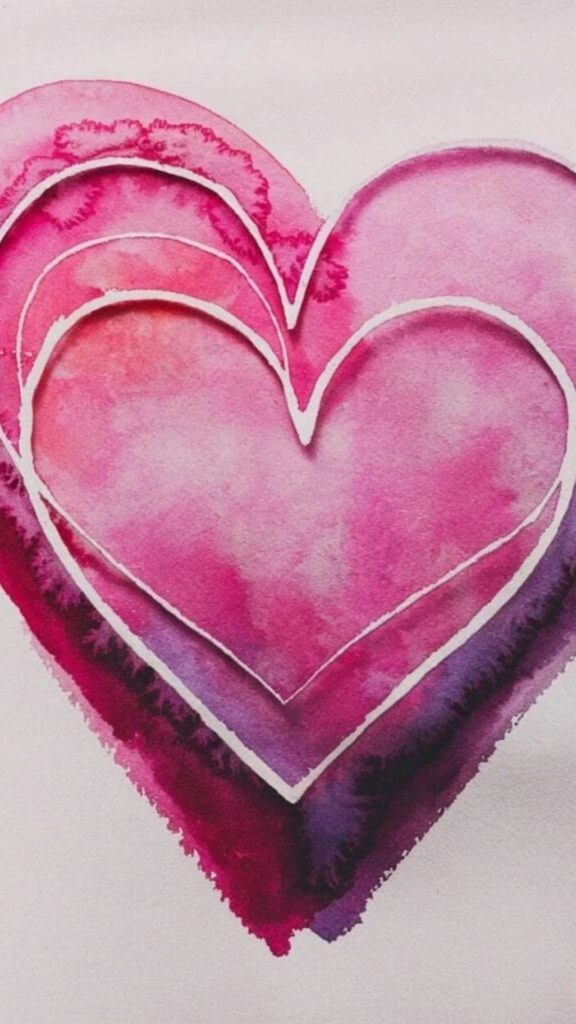
Watercolor cards have a gentle appearance that works beautifully for Valentine’s Day. Their soft colors and slightly uneven edges give them a handmade quality that is difficult to reproduce with ordinary printed designs.
You do not need advanced painting skills to create an attractive watercolor card. Simple hearts in two or three colors are enough.
Materials you will need
- Watercolor paper
- Watercolor paints
- Paintbrush
- Water
- Pencil
- Fine-tip pen
- Cardstock
How to make the card
Lightly draw several small hearts on watercolor paper. If you feel comfortable painting freehand, you can skip the pencil outlines.
Choose two or three colors, such as pink, red, peach, or purple.
Paint each heart lightly, allowing the colors to blend naturally. Do not worry about making every shape identical. Small differences give the finished card its character.
Allow the paper to dry completely before attaching it to the card base.
You can paint one large heart in the center or arrange several small hearts across the front. Leave some empty space around the design to keep the card looking clean.
Once the paint has dried, use a fine-tip pen to add a short greeting.
Tips for better results
Avoid using too much water on thin paper because it can wrinkle or tear. Watercolor paper is preferable if you have it available.
Test your colors on a scrap piece of paper before painting the final design.
If you prefer a minimalist appearance, use one painted heart and a short handwritten message. Sometimes the simplest designs are the most attractive.
DIY Cut-Out Heart Cards
Cut-out heart cards use layers of paper to create depth without requiring complicated tools. They are a good choice if you want a handmade card that looks neat and polished.
Materials you will need
- Cardstock in two or three colors
- Pencil
- Scissors or a craft knife
- Cutting mat if using a craft knife
- Glue or double-sided tape
- Marker
How to make the card
Fold a piece of cardstock in half to create the card base.
Draw a heart on the front panel and carefully cut it out. If you use a craft knife, work on a suitable cutting mat and keep your fingers away from the blade.
Cut a piece of contrasting paper slightly larger than the heart opening. Attach it to the inside of the front panel so that the contrasting color appears through the cut-out shape.
For example, a white card with a red heart showing through the opening creates a simple but striking effect.
You can also use floral paper, watercolor designs, or patterned paper behind the opening.
Write a greeting on the front or inside the card, keeping the design uncluttered so the cut-out remains the main feature.
Make the design more personal
Try layering two colors behind the heart or creating several smaller heart-shaped openings.
You could also write the recipient’s initials on the paper behind the heart.
This design is one of the more versatile Valentine’s Day cards ideas because you can make it romantic, playful, or elegant simply by changing the colors and message.
Fingerprint Heart Valentine’s Day Cards
Fingerprint heart cards are particularly popular with children, but adults can enjoy making them too. Every fingerprint is different, which makes the finished card feel personal.
This design is a lovely option for parents, grandparents, teachers, and other family members.
Materials you will need
- White or cream cardstock
- Washable, non-toxic paint or ink
- Small plate
- Damp cloth
- Fine-tip marker
How to make the card
Fold your cardstock in half and place a small amount of washable paint or ink on a plate.
Press one fingertip lightly into the paint and make a diagonal print on the card. Add a second print beside it, angling the marks so they form the top of a heart.
Practice on scrap paper first if you want to become comfortable with the technique.
Repeat the process to create a larger heart or several smaller hearts across the card.
Once the paint has dried, use a fine-tip marker to outline the shape if desired.
Write a message inside, such as “Sending You Lots of Love” or “You Make Me Smile.”
Make it a keepsake
If a child is creating the card for a parent or grandparent, add the child’s name and the date.
You can also use fingerprints to create flowers, balloons, or other simple patterns.
Choose skin-safe materials and clean your hands after the activity. When children are involved, adults should supervise the use of paint and other craft supplies.
Minimalist Valentine’s Day Cards for a Modern Look
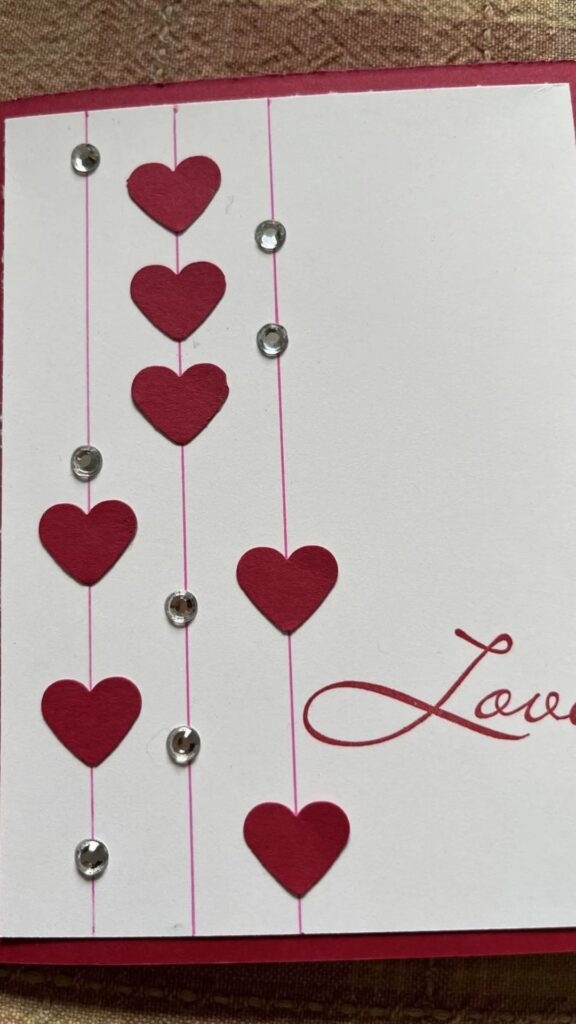
Not everyone enjoys glitter, bright colors, or elaborate decorations. If you prefer simple designs, minimalist Valentine’s Day cards can be just as beautiful.
This style focuses on clean lines, thoughtful placement, and a limited number of colors.
Materials you will need
- White, cream, or kraft cardstock
- Black pen
- Red or pink marker
- Ruler
- Optional washi tape
How to make the card
Fold the cardstock in half and choose one central design.
You might draw a small heart in the middle, place a short greeting near the bottom, or create a simple outline of two connected hearts.
Use a fine-tip pen for the lettering and one accent color to highlight the design.
For example, a cream card with the words “You Are My Favorite” and a tiny red heart can look stylish without requiring much time.
Another option is to draw a simple continuous-line heart. This creates an artistic appearance while keeping the design clean.
Why minimalist cards work
A simple card allows the message to stand out. It can also feel more personal when the recipient appreciates understated designs.
Because this style uses fewer decorations, it is affordable and easy to reproduce if you need several cards.
You can create a coordinated collection using the same layout while changing the greeting for each person.
Valentine’s Day Cards Made With Scrap Paper
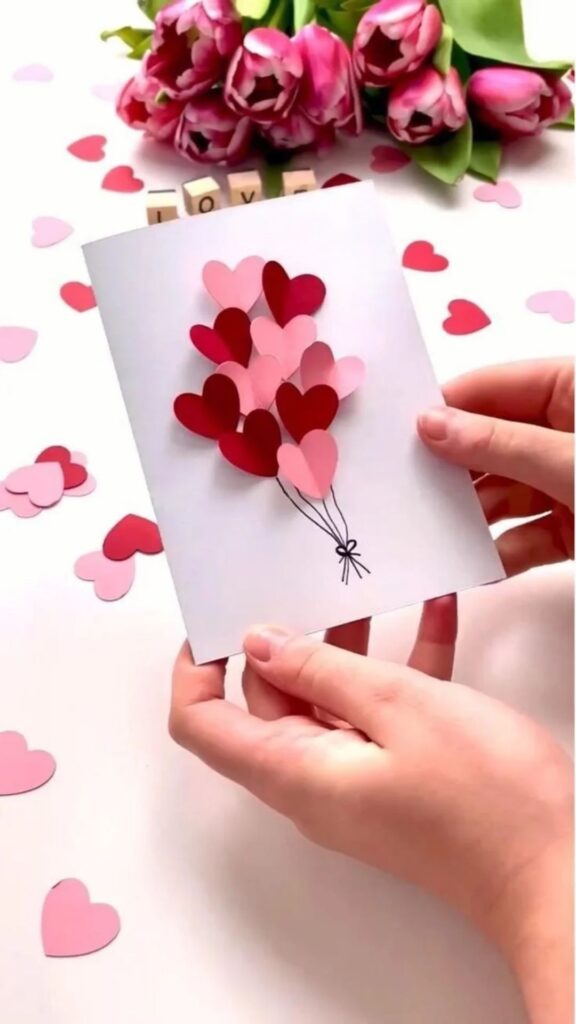
If you enjoy crafting but want to avoid spending much money, use leftover paper to create colorful Valentine’s Day cards.
Scrap paper can come from old magazines, wrapping paper, gift bags, unused notebooks, packaging, or previous craft projects.
These materials often contain interesting patterns and colors that work beautifully in handmade cards.
Materials you will need
- Leftover paper
- Cardstock
- Scissors
- Glue
- Pencil
- Marker
How to make the card
Gather paper scraps in colors or patterns that complement each other.
Cut out hearts in different sizes. You can use one main heart with smaller shapes around it or arrange several hearts into a flower-like design.
Place the shapes on your card before gluing them down. Move them around until you find an arrangement that looks balanced.
Once you are happy with the layout, attach the pieces and allow the glue to dry.
Finish the card with a handwritten greeting.
You can also cut strips of paper and arrange them into stripes, geometric patterns, or a patchwork heart.
Keep the colors coordinated
Using too many unrelated patterns can make a small card look crowded. To keep the design attractive, choose a limited color palette.
For example, combine pink, cream, and red paper, or use kraft paper with black-and-white patterns.
You can create a layered effect by attaching the main heart to a slightly larger piece of contrasting paper.
This is one of the most practical Valentine’s Day cards ideas because it allows you to reuse materials you already have.
DIY Valentine’s Day Cards With Paper Flowers
Paper flowers offer a softer alternative to traditional heart decorations. They are ideal for anyone who enjoys floral designs but wants to create a card that lasts longer than fresh flowers.
You can make one flower the main feature or arrange several small flowers around a handwritten message.
Materials you will need
- Colored paper
- Cardstock
- Scissors
- Glue
- Pencil
- Marker
- Optional ribbon
How to make the card
Cut several small circles or rounded petal shapes from colored paper.
Arrange five or six petals in a circle to form a flower. Glue the petals together at the center, then add a small circle of contrasting paper to cover the joining point.
Cut a thin strip of green paper for the stem and add two small leaf shapes.
Attach the flower to the front of your folded card.
You can create one large flower or make a small bouquet of three flowers in different colors.
Write your greeting beneath the flowers or inside the card.
Personalize the floral design
Choose colors that the recipient enjoys. You could also make a flower from patterned paper taken from an old gift bag.
For a romantic card, pair the flower with a message about how much the person means to you. For a friend, use a cheerful greeting that celebrates your friendship.
If you want a dimensional design, fold the petals slightly upward before attaching them. Keep the raised pieces small enough for the card to close comfortably.
Funny Valentine’s Day Cards for Someone With a Sense of Humor
Valentine’s Day does not always have to be serious or overly romantic. Sometimes the best card is the one that makes the recipient laugh.
Funny Valentine’s Day cards are perfect for partners who enjoy playful teasing, friends who share inside jokes, or family members who appreciate humor.
How to create a funny card
Start with a simple design and build the message around a joke that suits the recipient.
For someone who loves snacks, you could make a card that says, “I Love You More Than Snacks. Almost.”
For someone who enjoys sleeping, try a message such as, “You’re My Favorite Person to Do Absolutely Nothing With.”
You could also draw a smiling heart, a sleepy animal, or two cartoon characters.
Write the joke on the front and add a sincere message inside so the card feels affectionate rather than impersonal.
Make the humor personal
The best funny cards are based on what the recipient actually enjoys.
If you are making a card for your partner, combine humor with affection. If you are creating one for a friend, use a joke that reflects your friendship.
You do not need excellent drawing skills. Simple doodles and handwritten words can make the card feel more genuine.
Valentine’s Day Cards for Friends
Valentine’s Day is not only for romantic relationships. It is also a good opportunity to appreciate friends who make your life happier.
A handmade friendship card can remind someone that they are valued, especially if you do not always have the chance to express your appreciation.
What to include in a friendship card
Decorate the card with bright colors, smiley faces, stars, flowers, or small hearts.
Instead of a romantic greeting, choose a message that celebrates your friendship.
You could write:
- “Life Is Better With a Friend Like You.”
- “Thanks for Always Being There.”
- “You’re One of My Favorite People.”
- “So Lucky to Have You as a Friend.”
You can also include a short memory or an inside joke that reminds your friend of a fun experience you shared.
Create a friendship card collection
If you have several friends you want to celebrate, make a collection of cards using the same basic design.
Change the colors, messages, or decorations to suit each person.
This approach saves time while allowing every card to feel individual.
You could even organize a small card-making afternoon with friends and exchange your creations at the end.
Valentine’s Day Cards for Children to Make at Home
DIY Valentine’s Day cards are a fun craft activity for children because they combine drawing, cutting, coloring, and writing.
Children can make cards for parents, grandparents, siblings, classmates, or teachers. The activity also gives them an opportunity to practice expressing appreciation.
Easy card ideas for children
Crayon heart cards: Fold a sheet of cardstock and let children draw colorful hearts on the front.
Sticker cards: Provide heart stickers, stars, and other decorations so children can create their own patterns.
Handprint cards: Use washable paint to make a handprint on the front, then add a message after it dries.
Collage cards: Give children safe paper scraps to arrange into hearts, flowers, or other shapes.
Drawing cards: Encourage children to draw something they love doing with the recipient.
The goal is to make the activity enjoyable rather than demanding. Children do not need to create perfectly straight lines or symmetrical hearts.
Allow them to choose their colors and add their own words or drawings. Their personal choices are often what make the finished card special.
Adults should supervise younger children when scissors, small decorations, or other potentially hazardous materials are involved.
How to Write a Meaningful Message Inside Your Valentine’s Day Card
A beautiful design catches attention, but the message inside the card is often what the recipient remembers most.
You do not need to write a long letter. A few sincere sentences can communicate more than a lengthy message that does not sound like you.
The easiest way to write a meaningful message is to think about what you appreciate about the person.
Perhaps they make you laugh when you are having a difficult day. Maybe they listen when you need advice or have supported you through an important change in your life.
Mentioning one specific quality or memory makes your message more personal.
Messages for a romantic partner
If you are making a card for your partner, focus on what makes your relationship special.
You might write about a favorite memory, something you admire about them, or a small everyday moment that makes you happy.
For example:
“One of my favorite things about us is how we can turn an ordinary day into a good memory. Thank you for being someone I can laugh with, talk to, and count on. I’m grateful to have you in my life.”
Make the message even more personal by mentioning a specific experience or quality that matters to both of you.
Messages for friends
For a friend, you could write:
“Thank you for being the kind of friend who makes difficult days feel lighter and happy days even better. I’m grateful for your kindness, your honesty, and all the memories we’ve made together.”
Messages for parents or family members
For a family member, consider a message such as:
“Thank you for the love, encouragement, and little things you do that mean more than you realize. I’m grateful for you today and always.”
These messages are starting points, not words you must copy exactly. Adjust the wording so it sounds natural for your relationship.
How to Make Your DIY Valentine’s Day Cards Look Neat and Beautiful
You do not need advanced crafting skills to make attractive cards. A few simple techniques can improve the final result and help your designs look more polished.
Choose a limited color palette
Using too many colors can make a small card look crowded. Choose two or three main colors and repeat them throughout the design.
Red and pink create a traditional Valentine’s Day look, while cream and burgundy can feel more elegant. White, black, and a small amount of red work well for minimalist designs.
There is no rule that says you must use pink or red. Choose colors that match your style and the recipient’s preferences.
Plan your layout before gluing
Place your decorations on the card before attaching them.
Check whether the main design is centered and whether there is enough space for the greeting. Move the pieces around until the arrangement looks balanced.
This small step can prevent unnecessary mistakes and wasted materials.
Use the right amount of glue
Too much glue can cause paper to wrinkle, create visible marks, or make thin materials difficult to handle.
Apply a small amount and spread it evenly. Double-sided tape is a good option when you want clean edges.
Allow glued pieces to dry before closing the card.
Fold your cards carefully
A neat fold gives a card a more finished appearance.
Use a ruler to measure the center of the cardstock. For thicker paper, gently score the fold line with a suitable blunt tool before folding, taking care not to cut through the paper.
Press the fold carefully to create a crisp edge.
Make your handwriting part of the design
Handwritten messages add character to handmade cards. If you are worried about your handwriting, practice on scrap paper first.
You can write the message in pencil, check the spacing, and trace over it with a pen once you are satisfied.
Keep the lettering readable. Decorative writing is lovely, but the recipient should not have to struggle to understand the message.
Avoid overdecorating
It can be tempting to keep adding stickers, hearts, ribbons, and glitter until every part of the card is covered.
However, leaving some empty space can make the design look more intentional.
Choose one main feature, such as a large heart, photograph, or paper flower, and let it stand out.
Budget-Friendly Tips for Making Valentine’s Day Cards
Making your own cards can be much cheaper than buying elaborate designs, especially if you need several.
The key is to use your materials thoughtfully and avoid buying supplies you will only use once.
Start by checking what you already have. You may find unused notebooks, wrapping paper, old greeting cards, ribbons, markers, or craft supplies stored away.
Suitable sections of old greeting cards can sometimes be reused as decorative pieces. You can cut out a small illustration or patterned section and attach it to a new card, provided the material is in good condition.
You can also reuse paper gift bags, packaging, and magazine pages. Select pieces with attractive colors or patterns and turn them into hearts, flowers, or backgrounds.
If you need to purchase cardstock, choose a pack of neutral colors that can work for several projects.
Another money-saving idea is to create a simple template. Once you have a design you like, reproduce it using different colors or messages. This is especially useful if you are making cards for classmates, coworkers, friends, or family members.
Remember that the value of a handmade card comes from the thought behind it, not the amount of money spent on supplies.
Common Mistakes to Avoid When Making DIY Valentine’s Day Cards
Even simple crafts can become frustrating when small details are overlooked. Fortunately, most card-making mistakes are easy to prevent.
Using paper that is too thin
Thin paper may bend, wrinkle, or lose its shape when you add decorations. Use cardstock for the card base whenever possible.
If you want to paint your design, choose paper suitable for the medium.
Cutting before checking the measurements
A shape that looks large enough on a separate sheet may not fit the way you expect once attached to the card.
Measure your card and test the placement before cutting expensive or limited materials.
Writing the message too late
If you leave the message until the very end, you may discover there is not enough space inside the card.
Plan where the writing will go before attaching decorations. This helps you avoid overcrowding.
Using too much glue
Excess glue can leave marks, wrinkle paper, and make decorations difficult to position.
Apply glue sparingly or use double-sided tape for lightweight materials.
Rushing the drying process
Paint, ink, and glue may need time to dry. Closing the card too soon can cause smudges or make decorations stick to the opposite panel.
Allow the card to dry completely before placing it in an envelope.
Choosing a design that is too complicated
If you are a beginner, start with a design that matches your skill level and available time.
A simple heart card can be just as thoughtful as a complicated pop-up design. You can experiment with more detailed techniques as you become comfortable with the basics.
How to Prepare Your Valentine’s Day Cards Ahead of Time
If you plan to give cards to several people, preparing them early can make the process much easier.
Begin by listing the people you want to make cards for. Decide whether you want each card to have a different design or whether you will use one basic style for everyone.
Next, gather your materials and prepare the card bases. Cut the cardstock to the same size, fold each piece, and set them aside.
If you are making cards with paper hearts or flowers, cut out several decorations at once. Keeping similar materials together can save time.
Once the basic pieces are ready, assemble the cards and add personal details.
Leave space for individual messages so every recipient receives something that feels specific to them.
If you are making pop-up cards or using raised decorations, test each card before placing it in an envelope. Some designs may need larger envelopes to prevent the decorations from being crushed.
Store the finished cards in a dry, clean place until you are ready to give them away.
Preparing ahead of time also gives you room to correct mistakes without feeling rushed.
Frequently Asked Questions About Valentine’s Day Cards Ideas
What are the easiest Valentine’s Day cards ideas for beginners?
Some of the easiest Valentine’s Day cards ideas include simple heart cards, sticker cards, fingerprint heart designs, scrap-paper collages, and minimalist cards with handwritten messages. These projects require only a few basic materials and do not depend on advanced crafting skills.
Start with folded cardstock, scissors, glue, and a pen. Once you become comfortable with simple designs, you can try pop-up cards, watercolor decorations, and layered paper shapes.
How can I make Valentine’s Day cards at home without spending much money?
You can make Valentine’s Day cards at home using supplies you already have, such as old magazines, wrapping paper, leftover ribbon, markers, and unused gift bags.
Reuse suitable materials and focus on one or two decorative elements rather than buying many different supplies. A thoughtful handwritten message can make an inexpensive card feel special.
What should I write inside a handmade Valentine’s Day card?
Write something that reflects your relationship with the recipient. You could express appreciation, share a favorite memory, mention a quality you admire, or explain why the person matters to you.
For a romantic partner, write about what you love most about your relationship. For a friend, thank them for their support and companionship. For a family member, a message of gratitude may be especially meaningful.
Can children make DIY Valentine’s Day cards?
Yes. Children can make simple cards using crayons, washable paint, stickers, paper hearts, and safe craft materials.
Choose projects that match their ages and abilities. Adults should supervise younger children when scissors, small decorative pieces, or other potentially hazardous materials are involved.
How do I make a pop-up heart card?
Fold a sheet of cardstock in half to form the card base. Cut out a heart from colored paper and attach it to the inside of the card using folded paper tabs or an accordion-folded strip.
Check that the heart rises when the card opens and folds flat when it closes. Test the mechanism before adding the final decorations.
What paper is best for making Valentine’s Day cards?
Cardstock is a good choice for the main card because it is thicker and holds its shape better than ordinary paper.
Colored craft paper works well for hearts, flowers, and layered decorations. If you plan to use watercolor, choose watercolor paper or another paper designed to handle moisture.
How can I make my Valentine’s Day card look more professional?
Use a limited color palette, measure your card carefully, and plan your layout before gluing decorations in place.
Keep your lettering readable, use small amounts of glue, and allow the card to dry completely. A clean, balanced design often looks more polished than one covered in too many decorations.
Are handmade Valentine’s Day cards better than store-bought cards?
Neither option is automatically better. Store-bought cards are convenient and often feature professional artwork, while handmade cards give you more control over the design and message.
A DIY card can feel especially meaningful when it includes a personal memory, custom illustration, or message written specifically for the recipient.
Can I make Valentine’s Day cards without using hearts?
Absolutely. You can use flowers, stars, photographs, geometric patterns, funny illustrations, or simple handwritten lettering.
Choose a design that reflects the recipient’s personality. Valentine’s Day cards do not have to follow a traditional red-and-pink heart theme to communicate affection.
When should I start making DIY Valentine’s Day cards?
Starting a few days or weeks before Valentine’s Day gives you enough time to gather materials, test your design, and allow glue or paint to dry.
If you are making several cards or working on detailed pop-up designs, begin earlier. Planning ahead helps you enjoy the creative process instead of rushing to finish.
Create Valentine’s Day Cards That Come From the Heart
Making your own Valentine’s Day cards is a simple way to turn ordinary craft materials into something meaningful. Whether you choose a classic heart design, a colorful fingerprint card, a handmade photo keepsake, or a creative pop-up surprise, the finished card can show someone that you took the time to make something just for them.
The best Valentine’s Day cards ideas are not necessarily the most complicated or expensive. They are the ones that reflect the recipient’s personality and communicate a message you genuinely want them to hear.
Start with the materials you already have, choose a design that feels manageable, and allow yourself to experiment. You can keep things simple with a handwritten note or add layers, colors, and decorations if you enjoy detailed crafts.
Most importantly, do not worry about making every line perfect or every decoration identical. A handmade card is special because it carries your effort and creativity.
This Valentine’s Day, give your loved ones something personal. A small card with a sincere message, a favorite photograph, or a simple handmade heart may become a treasured reminder of how much they mean to you.