
Preschool Outdoor Activities that Builds Skills
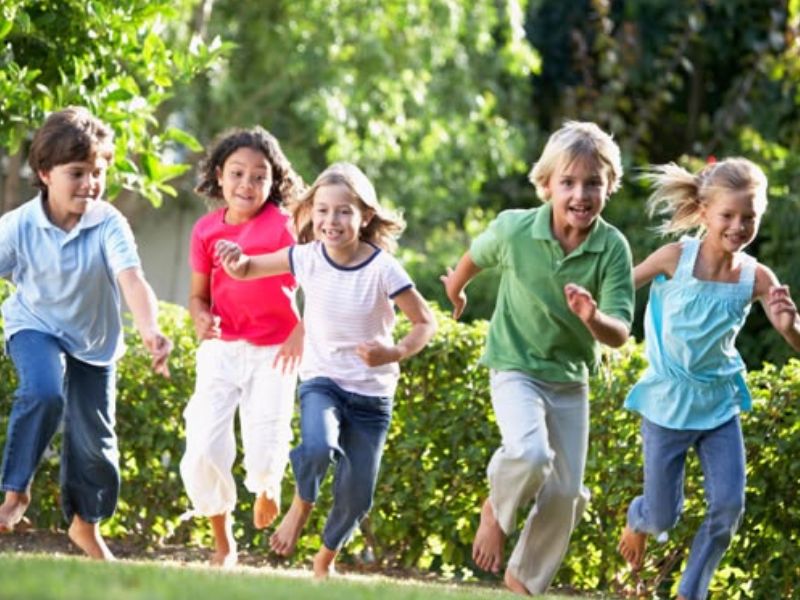
For young children, outdoor play is a natural opportunity to learn. A simple walk can become a science lesson, collecting leaves can introduce sorting and counting, and a game of hopscotch can turn into an early math activity. The beauty of outdoor learning is that children can move, explore, ask questions, and discover things for themselves while having fun.
Learning outdoors for preschoolers offers amazing benefits that helps the children’s holistic development. From motor developments that helps strengthen the hearts and muscles to developing the ability to connect with others, and interact with nature.
Interested in more ways to make learning fun while still educational? Browse through our Easy DIY Sensory Crafts for Kids That Boost Learning Through Play For more ideas to improve the kids cognitive abilities.
Research also indicates that outdoor environments can support children’s creativity- it encourages the children to use their imaginations, It also develops in them critical thinking and decision-making skills.
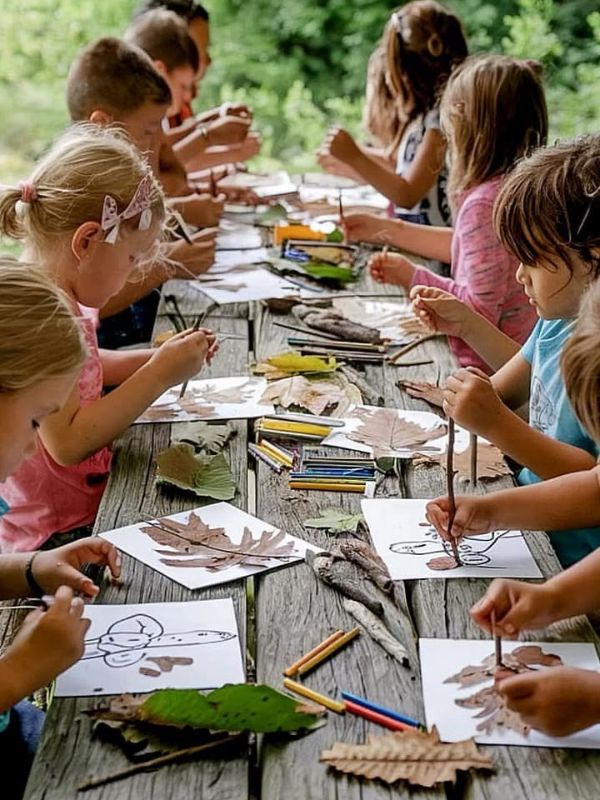
However, the goal isn’t to turn every moment outside into a formal lesson. With a few strategic adjustments, you can incorporate planned experiences into your lesson plans and send them across to families. By moving the classroom outdoors, you can help children connect with nature while achieving key learning objectives through movement and interactions.
For easy and affordable learning projects, check out our guide on Easy Summer Crafts for Toddlers That Keep Little Hands Busy All Day for fun, hands-on play that sparks creativity!
Here are some of the best preschool outdoor activities for making everyday outdoor play more educational, creative, and exciting.
Fun and Easy Outdoor Activities
-
Nature Scavenger Hunt
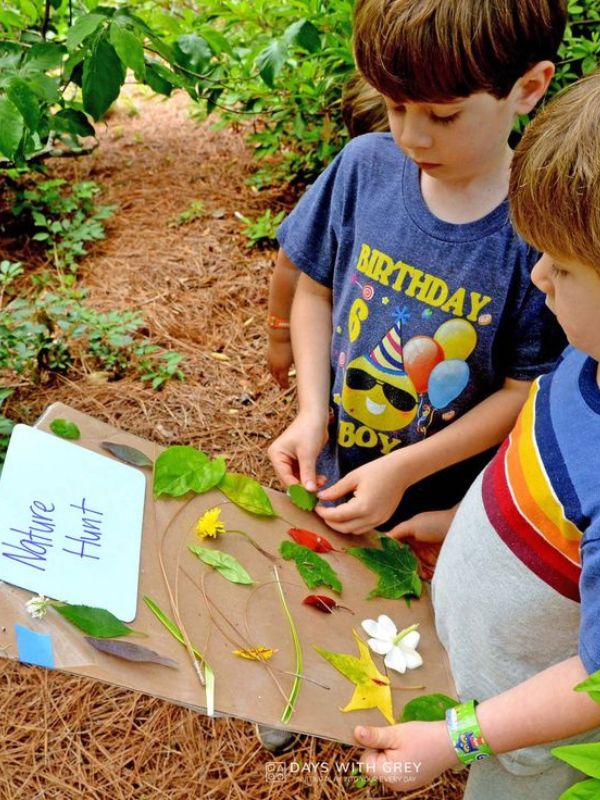
A nature scavenger hunt is one of the easiest ways to encourage children to observe their surroundings. It’s also one of the outdoor plays that gets them all excited!
Create a simple list such as:
- Find a green leaf
- Find something soft
- Find a small rock
- Find a flower
- Find something yellow
- Find a stick
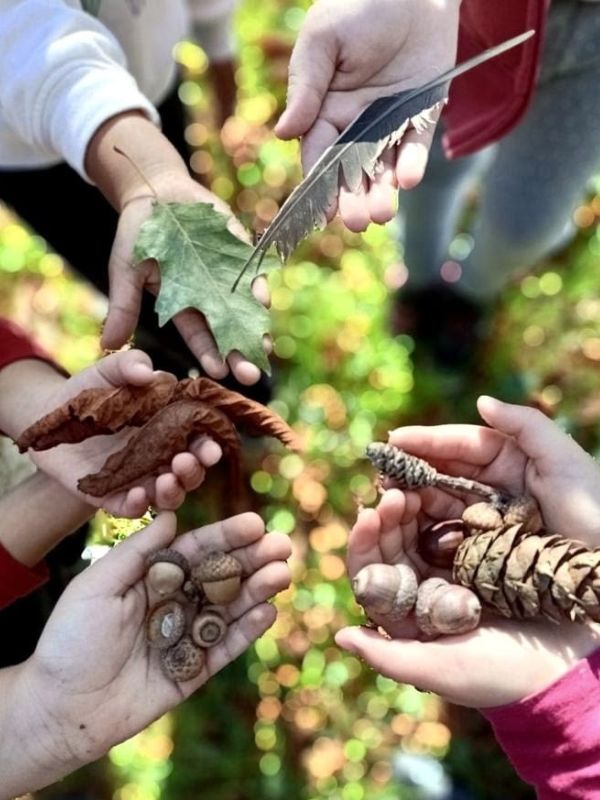
Give children baskets or paper bags and let them search.
Learning Benefits: This activity develops observation, vocabulary, classification, color recognition, and communication skills.
You can choose to make it more challenging by asking children to find objects that are bigger than their hand, rough, smooth, or longer than a pencil.
-
Outdoor Counting Games
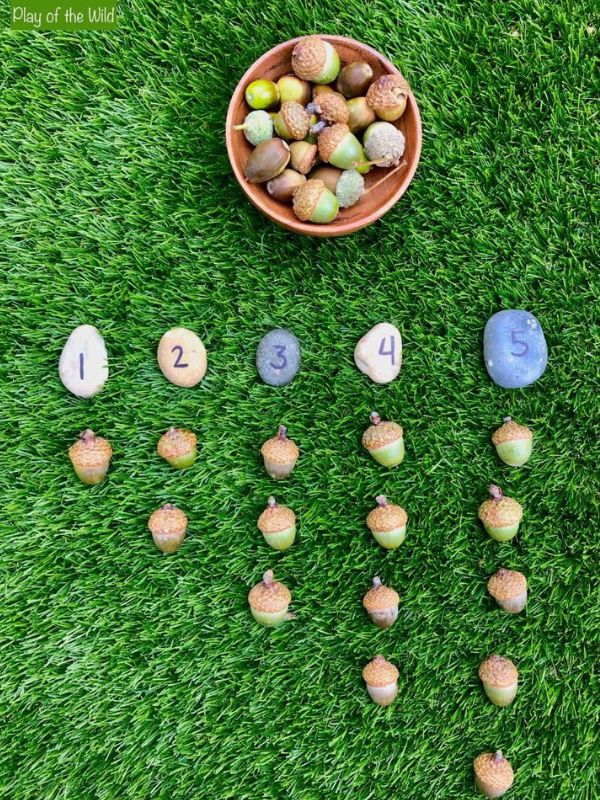
Turn the playground into a giant counting classroom.
Ask children to count:
- Trees
- Steps
- Rocks
- Flowers
- Swings
- Balls
- Leaves
You can also introduce simple addition.
For example:
“You found three rocks and I found two. How many do we have altogether?”
Learning Benefits: Natural materials such as pebbles, pinecones, and leaves can provide authentic opportunities for preschool mathematics and science exploration.
Looking for more fun, interactive games? Explore our Outdoor Crafts for Kids: Fun and Easy Summer DIY Ideas for endless ideas!
-
Color Hunt
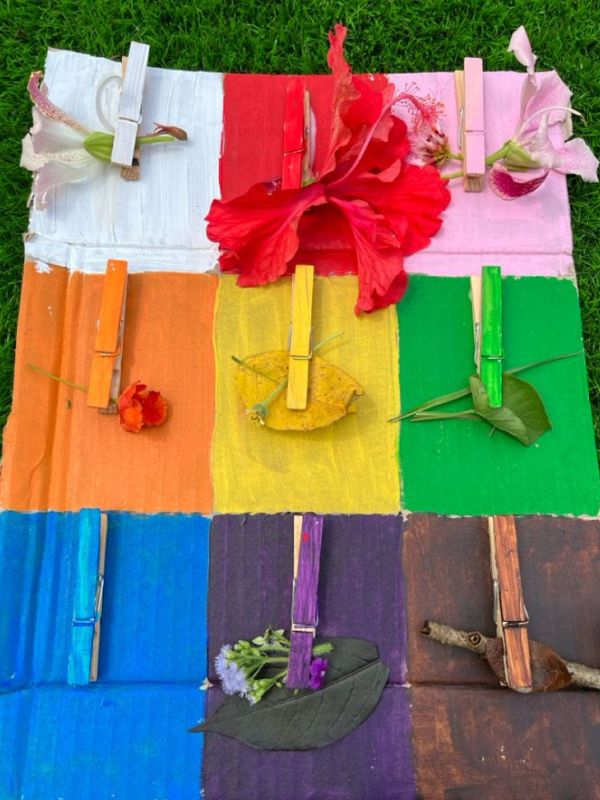
Choose a color and challenge children to find outdoor objects that match it.
You can ask simple questions like:
“Let’s see how many things we can find that are green!”
Children might discover leaves, grass, plants, toys, signs, or other objects.
Once they’ve mastered one color, introduce two or three at a time. For older preschoolers, ask them to create groups based on color.
Learning Benefits: This category of preschool outdoor activities encourages improved color recognition, sensory-related vocabulary, Observational skills, categorization, and memorization.
Even preschoolers can create something unique using our guide on How to Make Easy Fall Handprint Crafts for Kids That Turn Into Meaningful Keepsakes
-
Outdoor Shape Hunt
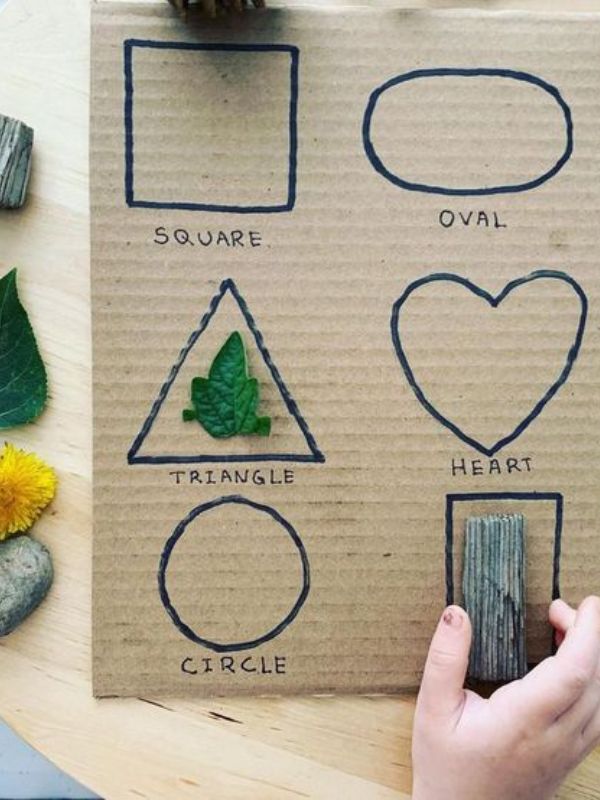
Shapes are everywhere when you know where to look.
Ask children to find circles, squares, rectangles, triangles, and other familiar shapes. A tire for instance might represent a circle. A window might be a rectangle. A sign might contain a triangle.
Take photos of the shapes you find and use them later to create a classroom picture book.
Learning Benefits: One of preschool outdoor activities that turns an ordinary walk into an early geometry lesson! By identifying shapes in real time, children will be able to retain more and improve memory.
Outdoor learning can be fun and exciting! Check out our Fun DIY Crafts for Teens: Creative and Trendy Projects That Actually Feel Cool to Make for easy ideas to keep the children thrilled!
-
Nature Sorting Activity
Collect safe natural objects such as leaves, stones, sticks, and pinecones.
Place them in a basket and ask children to sort them.
They might sort by:
- Size
- Color
- Shape
- Texture
- Type
Then ask:
“Can you think of another way we could sort these?” This simple question encourages children to think beyond the first obvious answer.
Learning Benefits: Critical thinking, creative thinking.
Check our guide on How to Make Easy Spider Handprint Crafts for Kids Using Simple Supplies for easy and affordable craft project they’ll love!
-
Outdoor Water Play
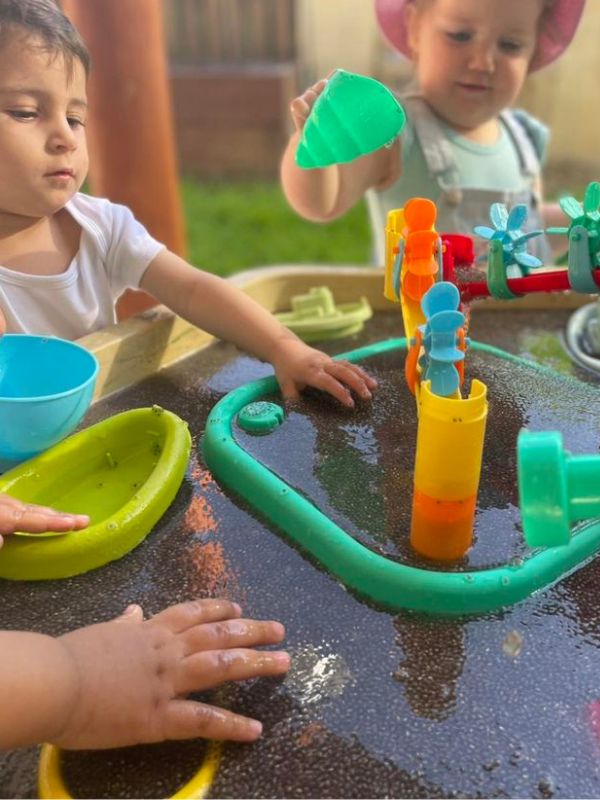
Water play can provide hours of exploration on a warm day.
Set up a water table or several containers with:
- Cups
- Spoons
- Funnels
- Sponges
- Small buckets
- Measuring containers
Children can pour, scoop, squeeze, transfer, and compare water levels.
Ask simple questions such as:
“Which container holds more?”
“What happens when you squeeze the sponge?”
“How can we move all the water from this bucket into that one?”
Check our blog post DIY Water Table for Kids That Creates the Cutest Backyard Playtime for easy and safe water play setup.
Learning Benefits: These activities introduce early measurement, problem-solving, cause and effect, and fine motor skills.
-
Sidewalk Chalk Learning
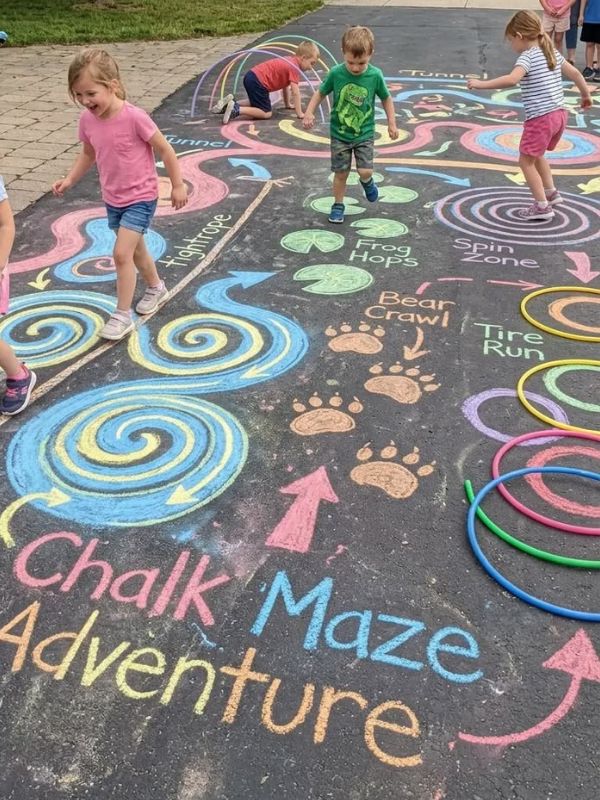
Sidewalk chalk is much more than an art supply. It helps the children develop sharp thinking and motor skills.
Draw large numbers on the ground and ask children to jump to the number you call.
You can also draw:
- Letters
- Shapes
- Patterns
- Mazes
- Number lines
- Simple pictures
For example, draw numbers from 1 to 10 and ask children to hop from one number to the next.
Learning Benefits: This preschool outdoor activity combines physical activity with early literacy and numeracy. It also builds motor skills.
-
Outdoor Letter Hunt
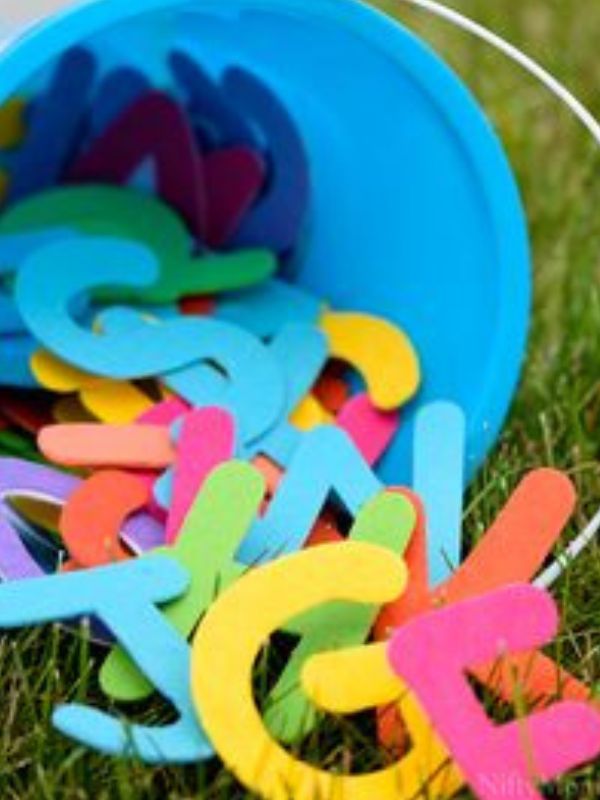
Take early literacy outdoors with a letter scavenger hunt.
Write several letters on cards and hide them around a safe play area.
Ask children to find a specific letter.
For example:
“Can you find the letter B?”
Once they find it, ask them to name a word that begins with B.
You can also look for letters on signs, playground equipment, labels, and other outdoor objects.
Learning Benefits: Using outdoor walks to explore signs, letters, numbers, and symbols is meaningful literacy experiences.
-
Plant a Preschool Garden
Gardening is an excellent hands-on learning activity.
Give children simple responsibilities such as:
- Planting seeds
- Watering plants
- Pulling weeds with supervision
- Observing growth
- Counting leaves
- Measuring plants
Choose fast-growing plants so children don’t have to wait too long to see changes.
Learning Benefits: Gardening and plant observations is one of the preschool outdoor activities that offers opportunities for children to develop science knowledge while connecting their outdoor discoveries to books, vocabulary, drawing, and other classroom activities.
For more gardening related ideas, check out our Garden Crafts for Preschool: Fun and Easy Nature Projects for Kids that will aid the children’s outdoor learning process.
-
Bug and Insect Investigation
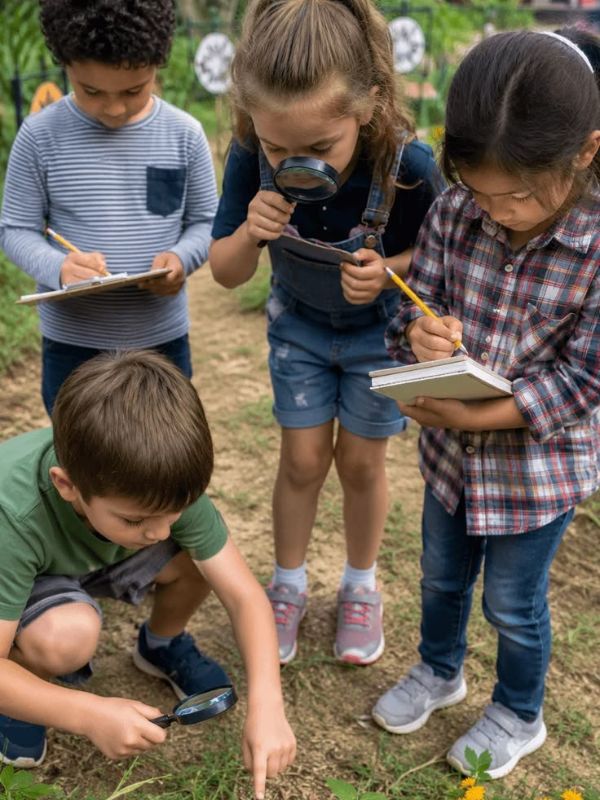
Children are naturally curious about insects.
Give them magnifying glasses and encourage them to observe bugs without touching them.
Ask simple questions such as:
- How many legs can you see?
- What color is it?
- Where is it going?
- What is it doing?
- How does it move?
You can create a simple observation chart where children draw the insects they see.
Learning Benefit: This activity encourages scientific thinking without requiring a formal science lesson.
-
Outdoor Obstacle Course
Create an obstacle course using safe equipment and materials.
Children can:
- Jump over lines
- Crawl under a rope
- Walk around cones
- Step across hoops
- Balance along a marked path
- Toss a ball into a basket
Learning Benefits: Obstacle courses support gross motor development, coordination, balance, listening, and following directions.
You can also introduce positional words such as:
over, under, beside, behind, between, through, and around.
-
Bubble Science
Bubbles provide an easy way to combine fun with science.
Let children blow or chase bubbles and observe what happens.
Ask:
“What makes the bubble move?”
“What happens when the wind blows?”
“How long does a bubble stay in the air?”
Bubbles is an engaging outdoor activity where young children can observe bubbles growing, floating, and popping.
Note- adults should handle bubble solution and supervise closely to avoid any mishaps.
-
Bird Watching
Outdoor nature play using
- binoculars
- magnifying glasses
- sketch notes
- pencils
Allow time to listen for birdcalls or look for insects and squirrels. Encourage them to sketch what they find.
Learning objective: Children will develop observational skills and keen attention to details.
-
Outdoor Storytelling
Take a favorite children’s book outside.
Find a shady, comfortable spot and read together.
Then encourage children to act out the story.
For example, if the story includes animals, children can pretend to move like those animals.
For exciting bible-related stories to complement the children’s learning journey, try our Daniel and the Lion’s Den Craft: An Easy Bible Activity That Helps Kids Remember the Story, which allows little ones to bring key narrative themes to life through simple, creative expression.
You can also encourage children to create their own outdoor stories.
Ask:
“What do you think lives under this tree?”
Their answers can become the beginning of an imaginative story.
Learning Benefits: combines literacy, creativity, language, and movement.
-
Nature Art
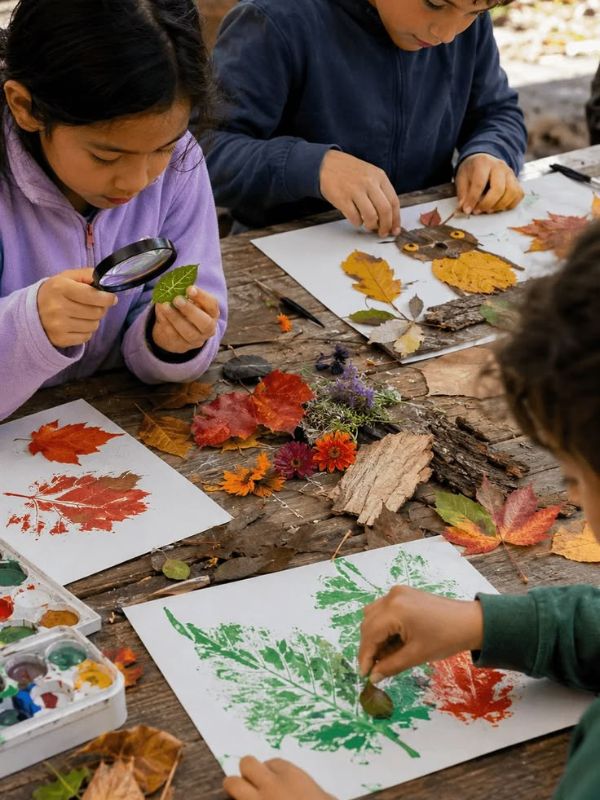
Let children create artwork using materials they find outdoors.
They can arrange leaves, sticks, stones, flowers, and other safe objects into patterns or pictures.
You can also provide paper and crayons for leaf rubbing.
Ask children to compare the textures and shapes of different leaves.
Learning Benefits: Nature art encourages creativity, fine motor development, observation, pattern recognition, and an appreciation of nature.
This is one of the preschool outdoor activities that gives children an opportunity to turn their discoveries into something visual.
-
Weather Watchers
Create a simple daily weather routine.
Ask children to look outside and describe:
- Is the sky sunny or cloudy?
- Is it raining?
- Is it windy?
- Does the air feel warm or cool?
- What are the trees doing?
Create a weather chart and let children mark the day’s conditions.
Over time, they can compare different days and notice patterns.
Learning Benefits: This is an excellent introduction to science and observation.
How to Make it More Educational
You don’t need complicated lesson plans to turn outdoor time into meaningful learning.
Try these simple approaches:
Follow Children’s Curiosity
If a child notices an ant, stop and investigate it. If they’re fascinated by a puddle, talk about where the water came from.
Ask Open-Ended Questions
Instead of giving children all the answers, ask:
- What do you notice?
- What do you think will happen?
- Why do you think the leaf is wet?
- How many can we find?
- Which one is bigger?
- What sounds can you hear?
Mix Structured and Unstructured Play
Give children opportunities to participate in planned games, but also allow plenty of time for child-led explorations.
You can balance structured activities with unstructured outdoor play so children have opportunities to move, explore, and direct their own experiences.
Use Everyday Materials
You can create excellent activities with chalk, buckets, cardboard boxes, sticks, leaves, water, balls, stones, and recycled containers.
Make Outdoor Play More Fun With Loose Parts
You don’t need expensive playground equipment to create an exciting outdoor learning environment.
Loose parts are objects children can move, combine, stack, sort, and transform during play.
Examples include:
- Cardboard boxes
- Wooden blocks
- Buckets
- Fabric pieces
- Large stones
- Sticks
- Crates
- Hoops
- Tubes
Natural and recycled materials can inspire children to plan, build, arrange, experiment, and solve problems.
For example, a cardboard box can become a house, a store, a boat, or a rocket depending on the child’s imagination.
The learning happens through the process of deciding what to build and how to build it.
How to Incorporate Math Into Outdoor Play
Math doesn’t need to involve worksheets.
Once outdoors, you can ask children to:
- Count objects
- Compare sizes
- Find patterns
- Sort materials
- Measure plants
- Estimate distances
- Identify shapes
- Compare quantities
For example, place five stones beside three stones and ask:
“Which group has more?”
Then let children physically move the objects to test their ideas.
Outdoor spaces make mathematical concepts concrete and easier for young children to explore.
Outdoor Play and Science
Nature provides an endless supply of science questions.
Encourage children to investigate:
Plants
What do plants need to grow?
Insects
Where do bugs live?
Weather
What happens to puddles after the sun comes out?
Water
Which objects float or sink?
Shadows
Why does your shadow move?
Animals
What sounds can you hear?
The important part isn’t whether children immediately know the correct answer.
Let them predict, observe, test, and discuss.
That is the foundation of scientific thinking.
How to Encourage Social Skills Outdoors
Outdoor play also provides natural opportunities for children to practice social and emotional skills.
Children can learn to:
- Take turns
- Share equipment
- Cooperate
- Negotiate rules
- Solve disagreements
- Encourage friends
- Follow group instructions
Instead of immediately solving every disagreement, adults can sometimes ask:
“What could you do so both of you can play?”
This gives children opportunities to practice solving problems themselves.
Let Preschoolers Take Appropriate Risks
Outdoor learning doesn’t have to mean removing every challenge.
Children can benefit from developmentally appropriate opportunities to climb, balance, jump, run, and navigate different surfaces while adults provide appropriate supervision.
Preschool Outdoor activities allows children to challenge themselves and develop cognitive, social-emotional, and self-regulation skills through appropriate risk-taking.
The goal isn’t to encourage dangerous behavior. Instead, give children safe opportunities to test their abilities.
For example, rather than automatically lifting a child onto equipment, allow them to decide whether they can safely climb a suitable step themselves while an adult supervises.
A Simple Daily Outdoor Learning Routine
You don’t need a different complicated activity every day.
Try this simple routine:
1. Start With Free Play
Give children time to choose what they want to do.
2. Introduce One Learning Challenge
Choose one activity, such as a scavenger hunt or counting game.
3. Explore
Allow children to investigate without rushing them.
4. Ask Questions
Use open-ended questions to encourage thinking.
5. Move
Include running, jumping, balancing, or another physical activity.
6. Reflect
Before going inside, ask:
“What was your favorite thing you discovered today?”
This simple routine balances child-led play with intentional learning.
Outdoor Activities for Rainy Days
Rain doesn’t always have to mean staying indoors.
With appropriate clothing and safe conditions, rainy weather can become a learning opportunity.
Children can observe:
- Puddles
- Raindrops
- Wet leaves
- Mud
- Clouds
- Water flowing along surfaces
Rainy-day outdoor learning is an opportunity to explore sounds, textures, puddles, and changing natural conditions.
Always follow your local childcare or school safety policies and avoid outdoor play during dangerous weather condition.
Safety Tips for Preschoolers
Educational play is only successful when children are safe.
Before outdoor activities:
- Check the play area for hazards.
- Use age-appropriate equipment.
- Supervise children actively.
- Keep water activities shallow and closely supervised.
- Avoid poisonous or unknown plants.
- Be mindful of insects and allergens.
- Provide appropriate clothing for the weather.
- Encourage sun protection where appropriate.
- Keep drinking water available.
- Follow your school’s or childcare center’s safety policies.
Quality outdoor learning environments should include appropriate safety practices alongside opportunities for exploration and play.
FAQs
What are good outdoor activities for preschoolers?
Some excellent preschool outdoor activities include nature scavenger hunts, gardening, water play, sidewalk chalk, obstacle courses, outdoor storytelling, weather observation, nature art, counting games, and insect investigations.
How can outdoor play be educational?
Connect play to everyday learning. Children can count objects, identify shapes, observe plants and insects, practice vocabulary, solve problems, explore textures, and investigate cause and effect while playing outside.
How long should preschoolers play outside?
The appropriate amount depends on the child, setting, weather, and local guidance. Rather than focusing only on a specific number of minutes, aim to provide regular opportunities for both active and child-directed outdoor play throughout the day.
Does outdoor play help social development?
Yes. Outdoor play gives children opportunities to cooperate, share, take turns, communicate, solve problems, and practice empathy. Social interaction and collaboration are important benefits of preschool outdoor activities.
Can a small backyard be used for preschool learning?
Absolutely. You don’t need a large playground. A small yard, a neighborhood park, garden, or safe outdoor area can support scavenger hunts, water play, gardening, chalk activities, nature observation, counting, and imaginative play.
What if we have limited outdoor space?
Still perfect. You can opt for local parks, take neighborhood walks, or look for any safe outdoor area.
Take the Fun Outside!
Outdoor play doesn’t have to compete with learning—it can be one of the best ways young children learn.
A preschooler counting rocks is practicing math. A child watching an ant is developing scientific observation. Children building a pretend house from cardboard boxes are solving problems and using their imagination. And children negotiating who gets to use the swing are practicing important social skills.
The most effective outdoor learning experiences don’t feel like traditional lessons. They feel like play with a purpose.
Pick three activities from this list, try them out this week, and watch how much fun outdoor learning can be!