
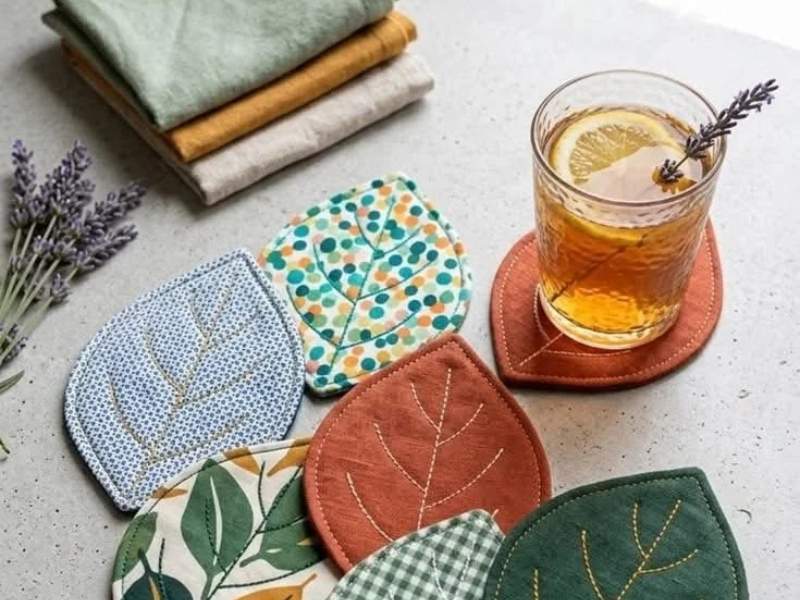
The best part is that easy kitchen sewing projects are suitable for beginners and experienced sewists alike. You do not need an expensive sewing machine, professional skills, or a large collection of materials to get started. Many projects use fabric scraps, old cotton shirts, leftover quilting pieces, or inexpensive cotton fabric you can find at a local shop.
Whether you want to refresh your kitchen, organise your cooking space, prepare thoughtful gifts, or make your household budget go further, sewing practical kitchen items is a rewarding place to begin. You can make pieces that match your kitchen colours, suit your daily routines, and last through repeated use when properly constructed and cared for.
In this guide, you will discover useful sewing ideas, materials to choose, beginner-friendly techniques, money-saving tips, and thoughtful ways to turn handmade kitchen accessories into gifts. You will also learn how to avoid common mistakes and choose projects that provide real value rather than creating unnecessary clutter.
Why Easy Kitchen Sewing Projects Are Worth Trying
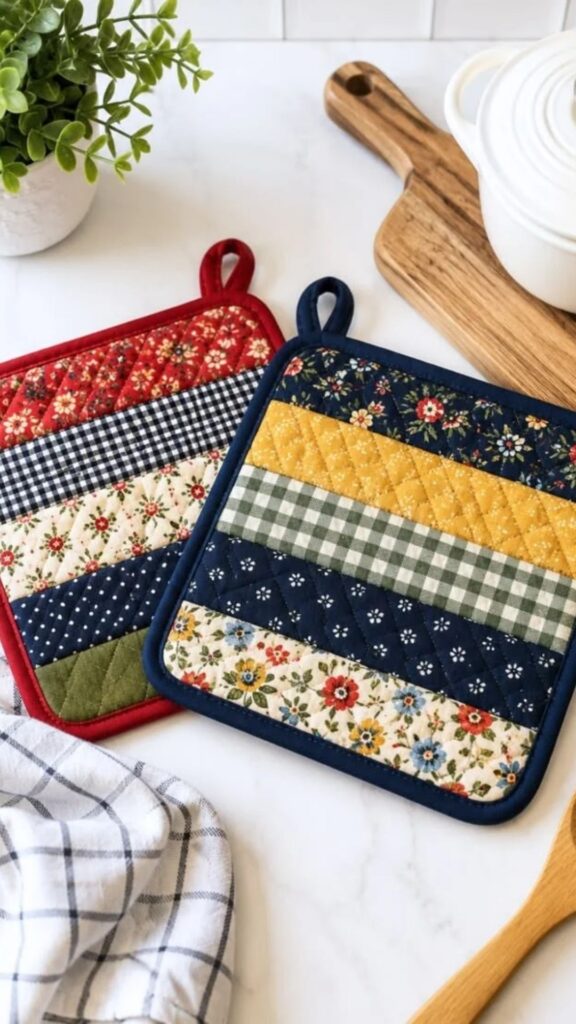
There are many reasons to make your own kitchen accessories instead of buying everything ready-made. Practical sewing allows you to control the materials, dimensions, appearance, and quantity of items you need.
First, easy kitchen sewing projects can help you save money over time. Although fabric and sewing supplies have an initial cost, making several reusable items from one piece of fabric can be cheaper than purchasing similar products individually. The savings become more noticeable when you already have leftover materials at home.
Second, homemade kitchen accessories can reduce waste. Reusable napkins, washable cloths, and fabric produce bags may replace some disposable alternatives. Using suitable fabric remnants also gives leftover materials a useful purpose.
Third, sewing gives you freedom to personalise your kitchen. You can choose cheerful prints for a bright space, neutral colours for a simple look, or seasonal fabrics for special occasions. You can even coordinate several items to create a matching collection.
Finally, handmade kitchen accessories make thoughtful gifts. A set of cloth napkins, reusable snack bags, or a carefully sewn bread basket liner can feel more personal than an ordinary shop-bought present.
These benefits make easy kitchen sewing projects especially appealing to people who enjoy practical crafts, want to spend thoughtfully, or prefer useful handmade gifts over decorative items that rarely get used.
If your kitchen pantry feels cluttered or lacks enough storage space, this Small Pantry Organization Ideas for Maximizing Storage Space in a Tiny Kitchen can help you create a neat, functional, and well-organized storage area. Discover practical ways to arrange food items, use vertical storage, organize shelves, and make the most of every available corner. Whether you have a tiny pantry or a compact kitchen cabinet, these clever organization tips will help you keep everything accessible and easy to find.
Small Pantry Organization Ideas for Maximizing Storage Space in a Tiny Kitchen
Essential Supplies for Kitchen Sewing
Before beginning, gather a few basic supplies. You do not need to purchase everything at once because many household sewing projects require only simple equipment.
A sewing machine can make straight seams faster, but several small projects can also be completed by hand. You will need fabric scissors, a measuring tape or ruler, sewing thread, pins or fabric clips, an iron, and a washable fabric marker or tailor’s chalk.
Choose your fabric according to the purpose of the finished item. Cotton is a popular option for napkins, bowl covers, simple storage accessories, and decorative kitchen textiles because it is widely available and generally easy to sew. Cotton blends may also work well for some projects, depending on their care requirements.
For items that will touch food, choose clean, washable materials suitable for food contact. Avoid fabrics with loose decorations, shedding fibres, or finishes that are not intended for the purpose. Prewash washable fabric before sewing to remove manufacturing residues and reduce later shrinkage.
Keep a small box for useful remnants. Even narrow strips can become ties, loops, or patchwork details. Saving suitable scraps makes future easy kitchen sewing projects more affordable and encourages you to use materials efficiently.
Before cutting, measure carefully and check the instructions for your chosen design. A few minutes of preparation can prevent wasted fabric and frustrating mistakes.
Reusable Fabric Napkins
Difficulty: Beginner
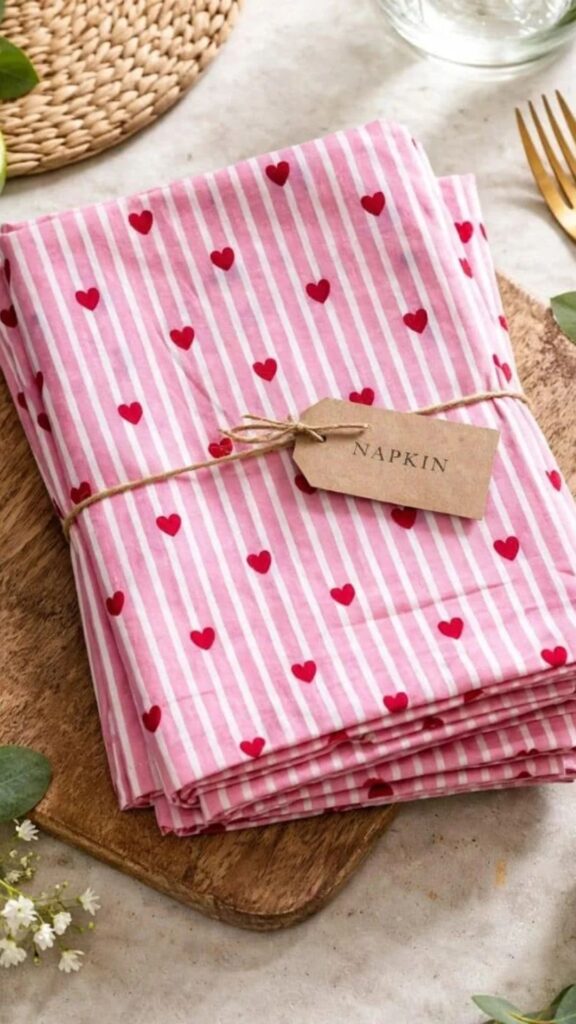
Fabric napkins are among the most useful easy kitchen sewing projects because they can replace disposable paper napkins during everyday meals. They are also attractive additions to a dining table and can be customised for different occasions.
To make a simple napkin, choose a tightly woven cotton fabric that feels comfortable against the skin and washes easily. Cut two matching squares if you prefer a double-layered napkin, or use one square with neatly finished edges for a lighter design.
Fold the edges inward, press them with an iron, and sew around the perimeter. A narrow double-fold hem creates a clean finish and helps prevent fraying. If you are using two layers, place the fabric pieces together with their right sides facing inward, sew around the edges while leaving a small opening, turn the napkin right side out, and close the opening neatly.
You can make a coordinated set using one print or combine complementary colours. For a gift, fold the napkins and tie them together with a reusable fabric ribbon.
Among easy kitchen sewing projects, cloth napkins offer excellent everyday value because they are straightforward to make, easy to personalise, and useful for family meals, picnics, and celebrations.
Wash them after use and store them in a clean, dry place.
Reusable Bowl Covers
Reusable bowl covers are helpful when you need to cover food containers or mixing bowls between preparation and serving. They can be made in different sizes to suit your kitchen equipment.
For this project, choose washable fabric and suitable elastic. Measure the bowl’s opening and allow enough extra fabric to extend over the rim. Cut a circle or follow a pattern designed for your bowl size.
Fold a narrow casing around the edge, sew it while leaving a small opening, and thread the elastic through the casing. Join the elastic ends securely before closing the opening.
The finished cover should fit snugly without being difficult to remove. Make several sizes for commonly used bowls to avoid stretching one cover beyond its intended dimensions.
These easy kitchen sewing projects can help you reuse washable covers instead of relying on disposable covering materials for every task. However, fabric covers are not airtight, and they should not be used as a substitute for safe food storage. Refrigerate perishable food promptly and follow appropriate storage guidance.
For a thoughtful gift, make a set in coordinating patterns and label each cover with its intended bowl size.
Handmade Cloth Dish Towels
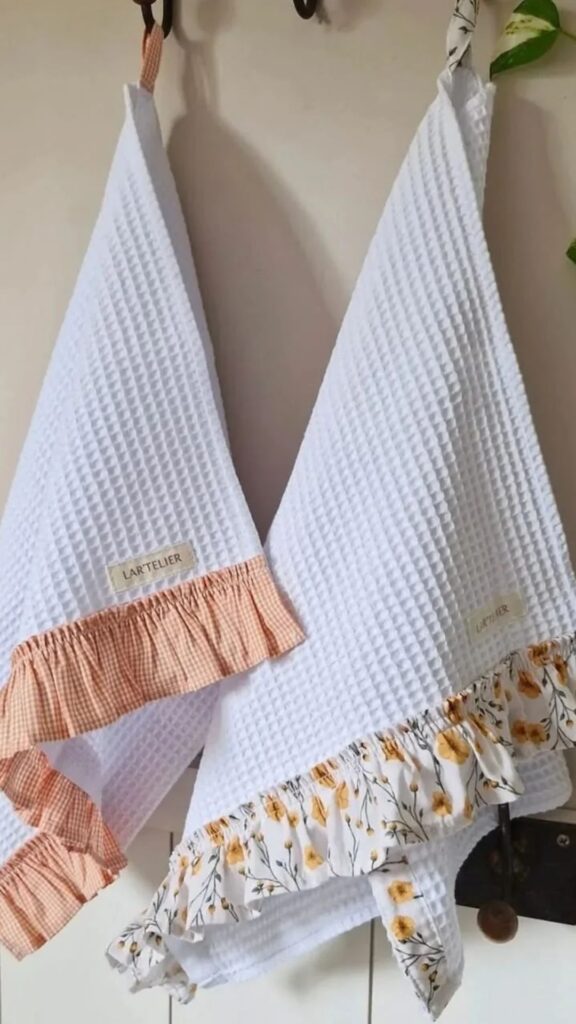
Cloth dish towels are useful for drying clean dishes, wiping up small spills, and handling everyday kitchen tasks. Sewing your own allows you to choose the size, texture, and colours that suit your routine.
Select absorbent cotton or linen fabric designed for kitchen use. Some lightweight decorative cottons may look attractive but absorb little moisture, so check the fabric’s texture before buying.
Cut rectangles to your preferred dimensions, then finish all four edges with a double-fold hem. Add a small hanging loop to one corner if you want to hang the towel from a hook.
You can use a simple fabric strip for the loop, folding and stitching it securely before attaching it to the towel. Reinforce the stitching because the loop may experience repeated pulling.
When planning easy kitchen sewing projects, consider making several towels together. Cutting multiple rectangles at once saves time and helps create a consistent set.
Use separate towels for different purposes, such as drying hands and wiping food preparation surfaces. Wash them regularly, especially after handling raw ingredients, and allow them to dry thoroughly between uses.
These handmade towels also make practical housewarming gifts when paired with napkins or reusable kitchen cloths.
Fabric Pot Holders
Pot holders protect your hands when handling suitable warm cookware, provided they are correctly constructed with appropriate heat-resistant materials. They are attractive projects for anyone who wants to combine function with creative fabric choices.
Use sturdy outer cotton fabric and a purpose-made heat-resistant batting or insulation layer suitable for pot holders. Ordinary craft batting may not provide adequate protection, so check the manufacturer’s specifications before choosing materials.
Cut two outer fabric squares and the recommended insulation layers. Arrange them according to the product instructions, then quilt or stitch the layers together as directed. Finish the edges with suitable binding and add a firmly secured hanging loop.
Keep the stitching even and avoid leaving gaps where the layers can shift. Inspect the finished item for thin areas, loose seams, or exposed insulation.
Among easy kitchen sewing projects, pot holders are especially satisfying because a small amount of fabric becomes a useful kitchen accessory. However, homemade pot holders should never be assumed safe for every temperature or application. Test materials according to their specifications, keep them dry, and replace them if damaged.
A matching set in seasonal colours can make a lovely gift for someone who enjoys cooking.
Reusable Produce Bags
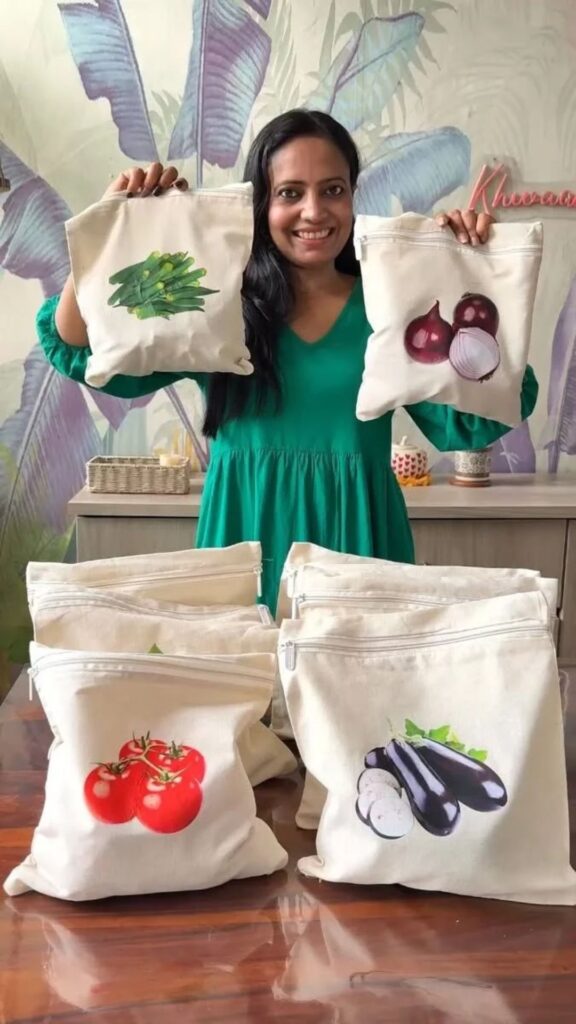
Reusable produce bags can help reduce the number of disposable bags used for carrying fruit and vegetables. They are lightweight, easy to store, and useful for shopping trips.
Choose a washable fabric with an appropriate weave for the produce you intend to carry. Lightweight cotton is suitable for many general uses, while mesh fabric may be preferable when visibility and airflow are important.
Cut two matching rectangles, place them together, and sew the side and bottom seams. Finish the upper edge with a casing for a drawstring or use another secure closure suitable for the fabric.
If you add a drawstring, make sure the opening is easy to operate and the cord is firmly secured. Avoid excessively long loose cords, especially if children may use the bags.
These easy kitchen sewing projects make good use of leftover fabric and can be made in several sizes. Small bags work for individual items, while larger bags may accommodate multiple pieces of produce.
Wash bags regularly, particularly after carrying damp or dirty produce. Let them dry completely before storing them.
For gifting, roll several bags together and tie them with a fabric strip. This creates a practical present for someone who enjoys shopping with reusable accessories.
Reusable Sandwich and Snack Bags
Reusable sandwich and snack bags are convenient for packed lunches, travel snacks, and keeping small dry food portions organised. They are another example of easy kitchen sewing projects that can help families reduce their reliance on disposable packaging.
Choose washable fabric for the outside and a food-contact-safe lining that is appropriate for the intended use. Ordinary cotton alone may absorb moisture, so it is not ideal for every type of food. Avoid assuming that any waterproof fabric is safe for direct food contact.
Cut two fabric pieces to the desired size, place them together, and sew the sides and bottom. Add a suitable closure, such as a fabric flap with a secure fastening, following a pattern that matches your chosen materials.
If you are a beginner, start with a simple rectangular design before attempting complicated shapes. Check that the seams are strong and the closure is easy to open.
The benefit of these easy kitchen sewing projects is that you can make bags in different sizes for biscuits, sandwiches, and other suitable snacks. They can also be personalised with colours that appeal to children.
Clean each bag after use according to the lining manufacturer’s instructions. Allow it to dry completely before storing it, and avoid using it for foods or conditions that the material is not designed to handle.
Fabric Bread Basket Liners
A bread basket liner adds a neat, welcoming touch to the kitchen table. It is particularly useful when serving bread rolls, biscuits, or other dry baked goods.
For this project, choose a clean, washable fabric suitable for food contact. Cotton is a popular option because it is easy to cut and sew. Measure the basket’s base and sides, then create a liner that fits without bunching excessively.
A simple liner can be made from a square or rectangle with neatly hemmed edges. For a more fitted version, sew a base panel to side panels, ensuring that the dimensions match your basket.
These easy kitchen sewing projects are ideal for using leftover fabric from other household crafts. A small piece of attractive cotton can become a beautiful table accessory without requiring much additional material.
You can choose a plain fabric for everyday use or a festive print for special meals. Add a coordinating set of napkins if you want to create a matching collection.
Remember that fabric liners should be washed regularly and dried thoroughly. They are intended for serving suitable foods, not for replacing airtight storage or keeping perishable foods at unsafe temperatures.
A bread basket liner makes a thoughtful gift for someone who enjoys baking, hosting family meals, or preparing homemade treats.
Reusable Kitchen Cleaning Cloths
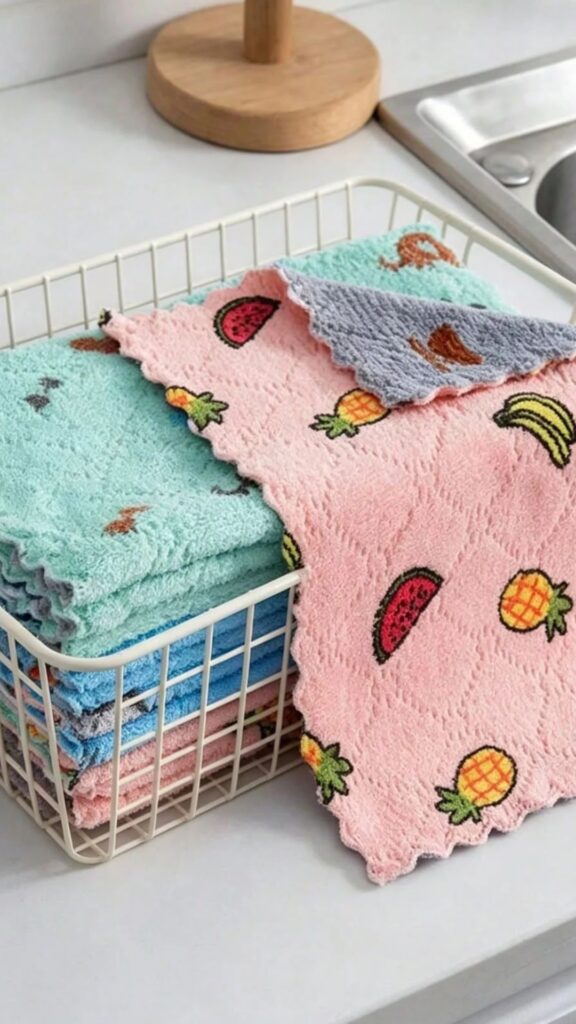
Reusable cleaning cloths are among the most economical easy kitchen sewing projects because they can be made from suitable fabric remnants and used repeatedly.
Look for absorbent cotton, washable terry cloth, or other materials appropriate for the cleaning task. Clean, worn cotton garments may provide useful material, provided they are in good condition and free from unsuitable finishes.
Cut the fabric into equal squares or rectangles. Finish the edges with a zigzag stitch, overlocker, or another suitable method to limit fraying. For fabrics that unravel easily, use a secure edge finish rather than leaving the material raw.
You can make different cloth sizes for wiping counters, cleaning appliances, and handling small spills. Using different colours may help you keep cloths assigned to separate tasks.
These easy kitchen sewing projects can reduce waste by extending the useful life of suitable textiles. However, not every old garment is suitable for every cleaning purpose. Avoid materials that shed fibres excessively or transfer dyes, and use separate cloths for food preparation surfaces, general cleaning, and potentially contaminated areas.
Wash cleaning cloths regularly using appropriate laundering practices. Dry them fully before putting them away to prevent unpleasant odours.
Making a batch at once is an excellent way to use fabric scraps that might otherwise remain forgotten in a drawer.
Hanging Kitchen Organisers
A hanging kitchen organiser can help keep small, lightweight items in one accessible place. It may hold reusable shopping bags, clean cloths, or other suitable accessories.
Choose a durable fabric that can support the intended contents. Cut a rectangular backing panel and smaller pieces for pockets. Fold and stitch the pocket edges, then attach the pockets to the backing panel with reinforced seams.
Add a sturdy hanging loop or another suitable mounting method. Make sure the organiser is secured to a reliable hook and positioned away from heat sources, flames, and areas where it could interfere with cooking.
These easy kitchen sewing projects are particularly useful in small kitchens because they make use of vertical space. You can customise the pocket sizes to fit the items you use most frequently.
Before sewing, arrange your intended contents on the backing fabric. This helps you decide where each pocket should go and prevents making pockets that are too small or too shallow.
A hanging organiser can also be adapted for a craft room, laundry area, or utility cupboard. This flexibility makes it a useful project for anyone who enjoys sewing practical household accessories.
For a gift, choose colours that complement the recipient’s home and include a few reusable cloths or shopping bags.
Discover practical and creative Small Kitchen Storage Ideas for Small Spaces to Maximize Every Inch of Your Kitchen to keep your kitchen organized, clutter-free, and functional. From clever cabinet organizers and pantry storage solutions to space-saving shelves and countertop organization, these ideas will help you make the most of your kitchen space while keeping everyday essentials neat and easy to access
Table Runners and Placemats
Table runners and placemats are excellent projects for refreshing your kitchen or dining area without replacing existing furniture.
For placemats, cut matching rectangles from a durable, washable fabric. Add an appropriate backing if you want extra thickness, then sew the layers together and finish the edges.
A table runner can be made in a long rectangle with neatly hemmed sides. Measure your table before cutting so that the finished runner has the proportions you want.
These easy kitchen sewing projects allow you to experiment with colour, texture, and simple patchwork. You can use leftover fabric pieces to create a coordinated design instead of buying entirely new materials.
For beginners, start with a plain rectangular pattern. Once you become comfortable with straight seams, try alternating fabric strips or combining two complementary prints.
Wash the finished items according to the fabric care instructions, and avoid using materials that are unsuitable near hot cookware or open flames.
A handmade table runner paired with matching napkins can become a thoughtful gift for a friend who enjoys decorating their home.
How to Save Money on Your Sewing Projects
One of the biggest advantages of easy kitchen sewing projects is the opportunity to make useful items without continually purchasing new supplies. However, saving money requires planning rather than buying fabric for every idea you encounter.
Start by checking what you already own. Look through your sewing box, leftover fabric pieces, old curtains, and unused cotton garments. Some materials may be suitable for kitchen accessories after thorough washing, provided they are clean, durable, and appropriate for the intended use.
Next, plan several projects around the same fabric. A larger piece of cotton might provide napkins, cleaning cloths, and small fabric accessories. Cutting related pieces together can reduce offcuts and help you use the material efficiently.
Choose simple patterns that do not require specialised equipment. Straight seams and rectangular shapes are generally easier for beginners and often produce practical results.
Keep a list of supplies you genuinely need before visiting a fabric shop. Buying materials for a specific project is usually more economical than collecting fabric without a clear plan.
Compare the total cost of your finished item with the price of a similar ready-made product. Include thread, elastic, lining, and other materials in your calculation. Reusing supplies you already own can improve the value of a project, but buying new equipment for one small item may make it less economical.
The goal of easy kitchen sewing projects is not simply to make everything yourself. It is to create useful, durable items at a reasonable cost while enjoying the process.
Choosing the Best Fabrics for Kitchen Sewing
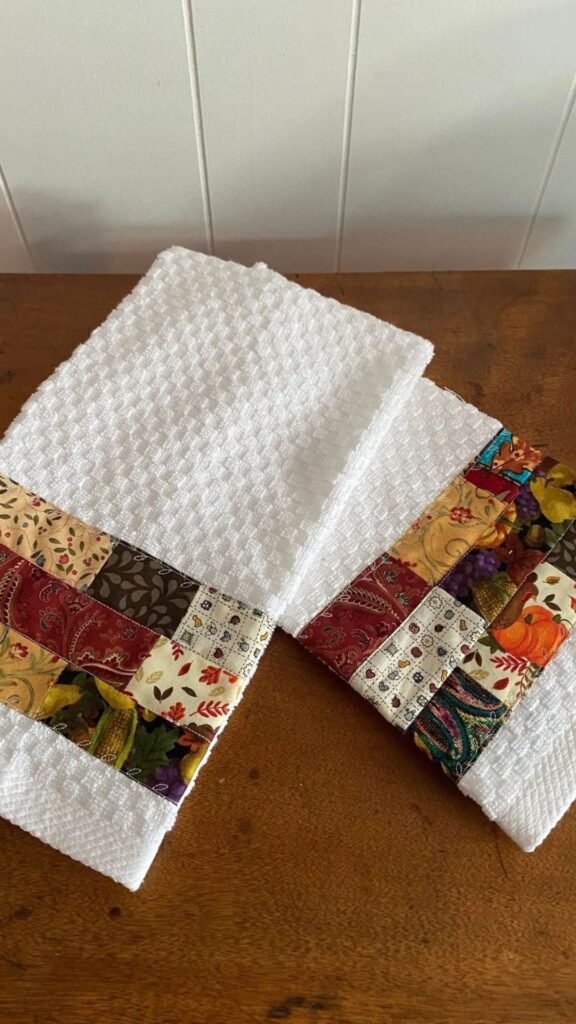
Selecting the right fabric is essential when planning easy kitchen sewing projects. The material affects how well an item works, how easily it can be cleaned, and how long it lasts.
Cotton is a popular choice for napkins, table runners, and many kitchen accessories. It is available in different colours and patterns, generally easy to sew, and suitable for frequent washing when properly cared for.
Linen can be attractive for table linens and decorative kitchen textiles. Its natural texture creates a relaxed appearance, although it may wrinkle more readily than some cotton fabrics.
Terry cloth is useful for absorbent cleaning cloths, while suitable mesh fabric can work well for lightweight produce bags. For pot holders, select materials specifically designed for the required heat protection rather than assuming ordinary cotton fabric is sufficient.
Always consider the purpose of the finished item before choosing your material. A beautiful fabric is not necessarily appropriate for every kitchen task.
When making easy kitchen sewing projects, prewash suitable fabrics, check their care instructions, and inspect them for weak areas. These small steps can help prevent shrinkage, colour transfer, and premature wear.
Beginner Sewing Tips for Better Results
You do not have to be an expert to produce attractive kitchen accessories. Starting with simple patterns and practising basic techniques can help you develop confidence.
First, measure twice before cutting. Accurate measurements reduce fabric waste and make it easier to produce matching items.
Second, practise straight stitching on a scrap piece before sewing your final project. Adjust your machine settings if necessary and use a suitable needle and thread for the fabric.
Third, press your seams with an iron when the material allows it. Pressing helps create neat edges and makes many projects look more professional.
Fourth, finish raw edges properly. Depending on the fabric, you can use a double-fold hem, zigzag stitch, overlocking, or binding. A suitable finish helps prevent fraying during washing.
Finally, work at a comfortable pace. Rushing through easy kitchen sewing projects can lead to uneven seams, incorrect measurements, and unnecessary mistakes.
If you make an error, do not assume the entire project is ruined. Carefully unpick the affected stitching, correct the problem, and continue. Every project provides an opportunity to improve your skills.
Turning Kitchen Sewing Projects Into Handmade Gifts
Handmade kitchen accessories can be meaningful gifts because they combine usefulness with personal effort. Instead of giving someone another decorative object, you can create something they will use regularly.
A beginner-friendly gift set might include two fabric napkins, a kitchen towel, and a pair of reusable produce bags. Someone who enjoys baking might appreciate a bread basket liner and coordinating table accessories.
For a housewarming present, choose colours that complement the recipient’s kitchen. For birthdays, you might select a fabric print that reflects their interests or favourite colours.
You can also make gifts for festive occasions. Seasonal napkins, table runners, and reusable gift wraps are useful examples of easy kitchen sewing projects that can be adapted for different celebrations.
Presentation does not need to be expensive. Fold the items neatly, arrange them in a clean basket, or wrap them in a reusable fabric square. A small handwritten card explaining how to care for the items adds a thoughtful finishing touch.
Before gifting anything intended for food preparation or storage, make sure the materials are suitable for that purpose and include any relevant washing instructions.
The most successful handmade gifts are not necessarily the most complicated. They are the ones that reflect the recipient’s needs and can be used repeatedly.
Common Mistakes to Avoid
Even simple projects can become frustrating when you overlook a few important details.
One common mistake is choosing fabric based entirely on appearance. A delicate material may look beautiful but fail to withstand regular washing or everyday use. Check durability and care requirements before cutting.
Another mistake is ignoring shrinkage. Prewashing suitable fabric before sewing helps reduce the risk of a finished item becoming too small after its first wash.
Buying too many supplies is another problem. It is easy to become excited about easy kitchen sewing projects and purchase fabric for ten different ideas before completing one. Begin with a single project, evaluate your results, and expand gradually.
Avoid skipping measurements or cutting without a clear pattern. A simple paper template can help you produce consistent shapes and reduce mistakes.
Do not assume that every handmade accessory is safe for food contact, high temperatures, or wet storage. Select materials according to the intended use and follow the manufacturer’s instructions.
Finally, avoid making items simply because the fabric is available. Think about whether the finished product will be useful in your home or suitable for someone you know. Practical sewing is most rewarding when it creates something that serves a real purpose.
Frequently Asked Questions
1. What are the easiest kitchen sewing projects for beginners?
Reusable napkins, cleaning cloths, simple table runners, and fabric coasters are excellent starting points. These easy kitchen sewing projects generally involve basic shapes, straight stitching, and straightforward edge finishes. You can begin with fabric scraps and develop your skills as your confidence grows.
2. Can I make kitchen sewing projects without a sewing machine?
Yes. Many small projects can be sewn by hand using a needle, suitable thread, and basic sewing techniques. Hand sewing may take longer, but it works well for simple napkins, small fabric accessories, and certain reusable bags. Choose projects that suit your available time and experience.
3. What fabric is best for easy kitchen sewing projects?
Cotton is a versatile option for many kitchen textiles because it is generally easy to sew, widely available, and washable. Terry cloth works well for absorbent cleaning cloths, while suitable mesh is useful for some produce bags. Always check the fabric’s care instructions and suitability for its intended use.
4. Are handmade kitchen accessories good gifts?
Absolutely. Handmade napkins, kitchen towels, bread basket liners, reusable produce bags, and table runners can make thoughtful gifts. Choose practical designs, washable materials, and colours that suit the recipient. Coordinating several small accessories creates a useful gift set without requiring expensive supplies.
Conclusion
Creating your own kitchen accessories is a practical way to enjoy sewing while making everyday household tasks more enjoyable. From reusable napkins and cleaning cloths to table runners, produce bags, and thoughtful gift sets, there are countless ways to turn simple fabric into something useful.
The best easy kitchen sewing projects do not require complicated patterns or expensive materials. They begin with understanding your needs, choosing suitable fabric, and learning a few reliable sewing techniques.
You can save money by using leftover materials, planning projects carefully, and making durable items you will use regularly. You can also reduce certain types of household waste by choosing reusable alternatives to disposable products and giving suitable fabric scraps a second life.
Most importantly, remember that you do not need to complete every project at once. Start with one simple idea, practise your technique, and build your collection gradually.
With a little creativity and patience, easy kitchen sewing projects can help you create a more personal kitchen, develop a rewarding hobby, and prepare handmade gifts that combine beauty with everyday usefulness.