
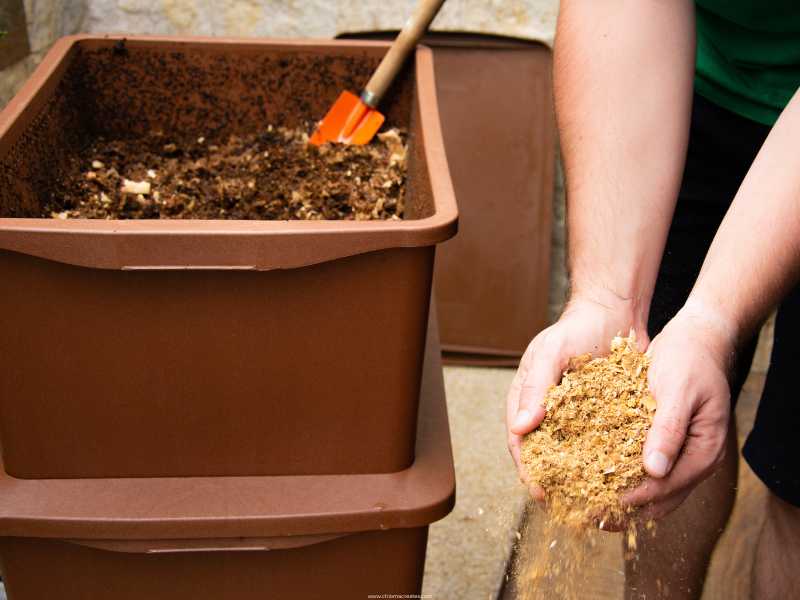
Turning kitchen scraps into a DIY Worm Compost Bin can completely change the way your garden grows and feels.
One of the most satisfying parts of gardening is discovering that everyday kitchen scraps can become something genuinely useful for your plants and soil.
The peels, coffee grounds, and leftover bits that usually end up forgotten at the bottom of a trash bag can slowly become part of a healthier, more natural growing space without expensive products or complicated routines.
That quiet shift is exactly why so many gardeners are starting to love the idea of a DIY Worm Compost Bin.
A thriving eco-friendly garden often has less to do with perfection and more to do with small, mindful habits that make a space feel alive and cared for.
Watching plants grow stronger from what once seemed useless changes the way a backyard feels.
It becomes less about waste and more about creating a cycle where everything has a purpose.
Even the simplest corners of a garden can feel richer, greener, and more connected to nature with the help of a DIY Worm Compost Bin.
The best part is that you do not need a huge yard, fancy setup, or years of gardening experience to make it work.
With a few basic supplies and a little curiosity, you can create an easy compost system that helps your plants thrive while making your garden feel more sustainable, practical, and beautifully eco-friendly at the same time.
Why DIY Worm Compost Bins Are Becoming Every Eco-Friendly Garden’s Favorite Secret
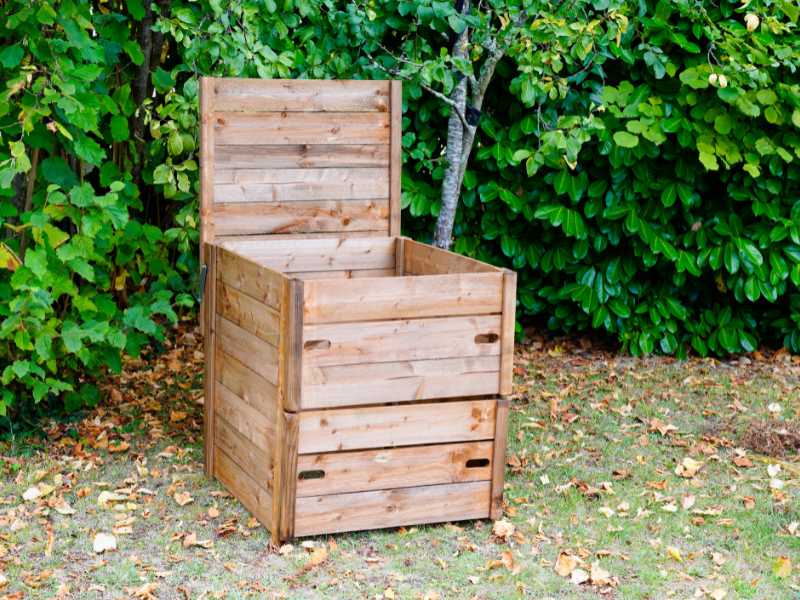
More gardeners are starting to realize that healthier plants do not always come from expensive fertilizers or complicated gardening systems.
Sometimes the biggest difference comes from the small habits happening quietly behind the scenes.
A DIY Worm Compost Bin has become one of those surprisingly simple changes that makes a garden feel greener, richer, and far more sustainable without adding extra stress to daily life.
How Worm Composting Turns Kitchen Scraps Into Garden Gold
The idea still feels almost unbelievable at first.
Food scraps that normally get thrown away can slowly turn into nutrient-rich compost that helps flowers bloom brighter, vegetables grow stronger, and soil hold moisture better.
Instead of waste piling up in the trash, it becomes part of a natural cycle that keeps giving back to the garden in the most practical way.
Why Traditional Compost Piles Feel Harder for Beginners
A lot of people love the idea of composting until they picture giant outdoor piles, heavy turning, strange smells, or complicated maintenance.
That is often where interest disappears. A DIY Worm Compost Bin feels much less intimidating because it works quietly in smaller spaces and requires far less effort than many people expect.
The Reason Small Gardens Benefit Most From Worm Compost
Small gardens, patios, balconies, and backyard corners often need smarter solutions instead of bigger ones.
Worm composting fits naturally into those spaces while still producing nutrient-rich compost that helps plants thrive without relying heavily on chemicals or store-bought fertilizers.
What Makes a DIY Worm Compost Bin So Low Maintenance
One of the biggest surprises is how manageable the process actually feels once everything is set up.
With the right balance of scraps and bedding, the worms do most of the work for you, making it easier to maintain an eco-friendly garden without turning gardening into another exhausting chore.
The ideas below are grouped into simple categories, making it easier to find a DIY Worm Compost Bin setup that fits your space, budget, and gardening style without feeling overwhelming.
Small-Space DIY Worm Compost Bin Ideas That Fit Almost Anywhere
These small-space DIY Worm Compost Bin ideas make it easy to start composting in apartments, patios, balconies, or tiny backyard corners without needing a large garden setup.
1. Stackable Plastic Tote Worm Bin
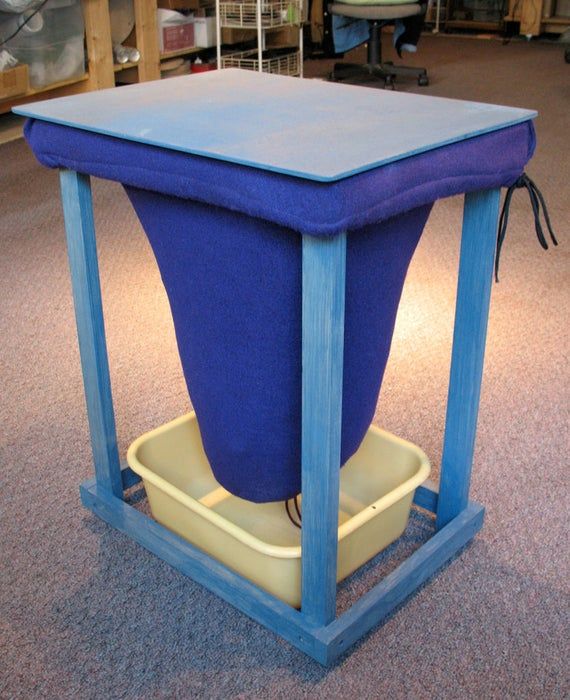
A stackable plastic tote setup is one of the easiest ways to start a DIY Worm Compost Bin without giving up much space at all.
The layered design keeps everything neat, compact, and surprisingly beginner-friendly, especially for apartments, laundry rooms, or small patios.
As the worms break down kitchen scraps, the compost gradually moves through the layers, making the entire process feel cleaner and more organized.
What makes this setup especially appealing is how practical it feels for everyday life.
Even in smaller homes, it quietly turns food waste into something useful without creating the overwhelming feeling many people associate with traditional composting.
2. 5-Gallon Bucket Worm Compost Bin
Sometimes the simplest setups end up being the most approachable.
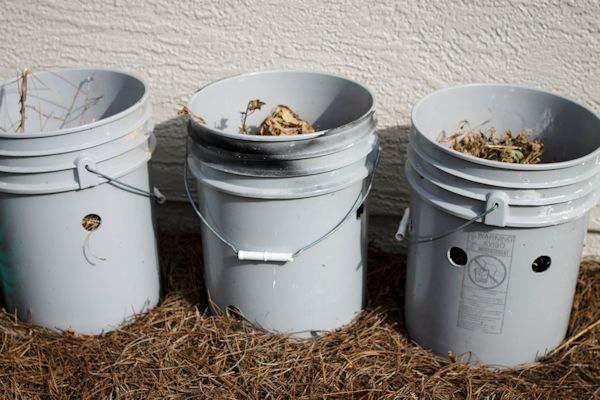
A 5-gallon bucket DIY Worm Compost Bin works well for beginners because it feels manageable from the start.
It fits easily into tiny outdoor spaces, balconies, garage corners, or tucked-away garden areas without demanding much attention.
With a few ventilation holes and basic bedding, the bucket slowly becomes a small ecosystem that transforms scraps into nutrient-rich compost.
It is the kind of setup that makes sustainable living feel less complicated and far more realistic for busy households or renters working with limited space.
3. Under-the-Sink Mini Worm Bin
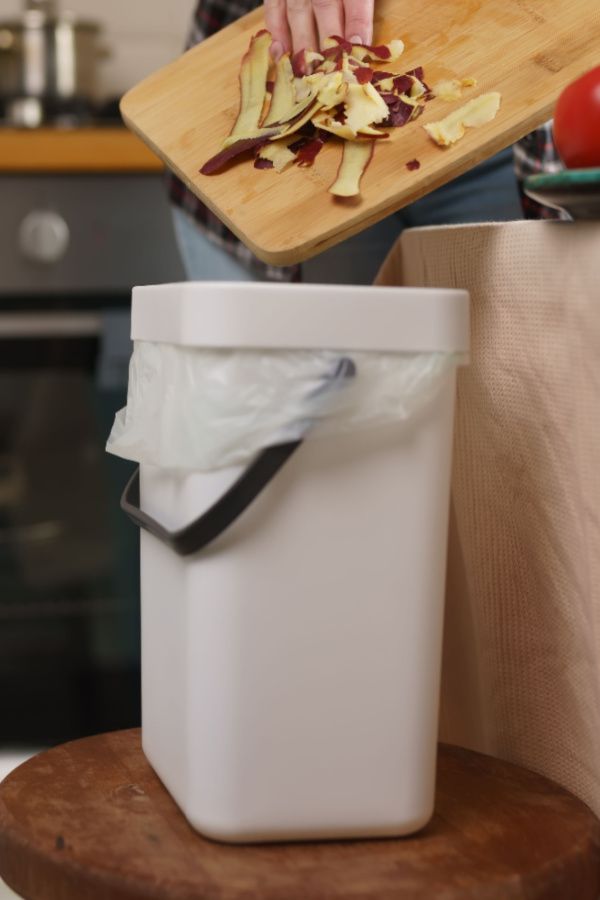
For people who thought composting only belonged outdoors, an under-the-sink worm bin can feel like a surprising discovery.
This compact DIY Worm Compost Bin keeps food scraps contained in a discreet space while quietly helping reduce everyday waste.
It works especially well for smaller kitchens where every inch matters, and it makes composting feel more connected to daily routines instead of being another outdoor project to manage.
The convenience alone often makes people stick with it longer because the process feels simple, accessible, and easy to maintain even during busy weeks.
4. Compact Wooden Crate Compost Setup
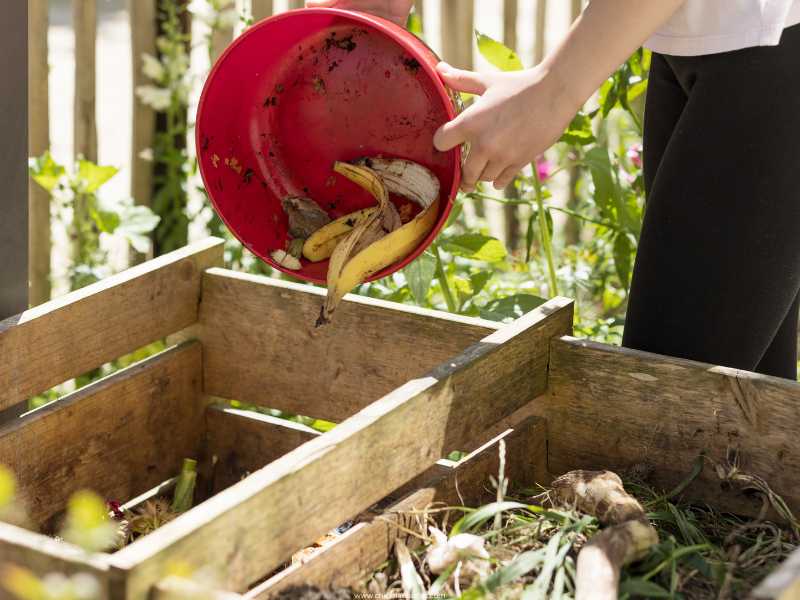
A wooden crate worm compost setup brings a softer, more natural look to small gardens, patios, or backyard corners while still staying practical for everyday use.
Unlike bulky compost piles that can feel messy or intimidating, this DIY Worm Compost Bin blends beautifully into cozy outdoor spaces and gives the garden a more intentional, eco-friendly feel.
The wood also helps create airflow while giving the worms a comfortable environment to thrive in.
For gardeners who want something functional without sacrificing aesthetics, this setup feels charming, low-pressure, and surprisingly rewarding over time.
Cheap DIY Worm Compost Bin Ideas Using Things You Already Have
1. Dollar Store Storage Bin Compost Idea
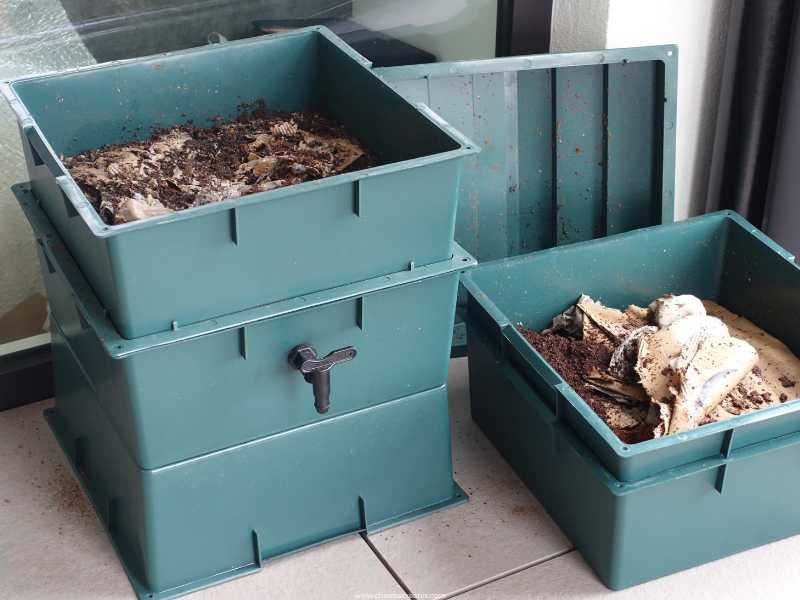
Sometimes the easiest way to start a DIY Worm Compost Bin is with something simple enough to grab during an ordinary shopping trip.
A basic dollar store storage bin can become a surprisingly effective compost setup with just a few air holes and soft bedding inside.
It feels approachable because there is no pressure to build something elaborate or spend more than necessary.
Once it is tucked into a small corner, it quietly begins transforming kitchen scraps into rich compost, proving that creating a healthier eco-friendly garden often starts with the most ordinary materials.
2. Old Cooler Turned Worm Compost Bin
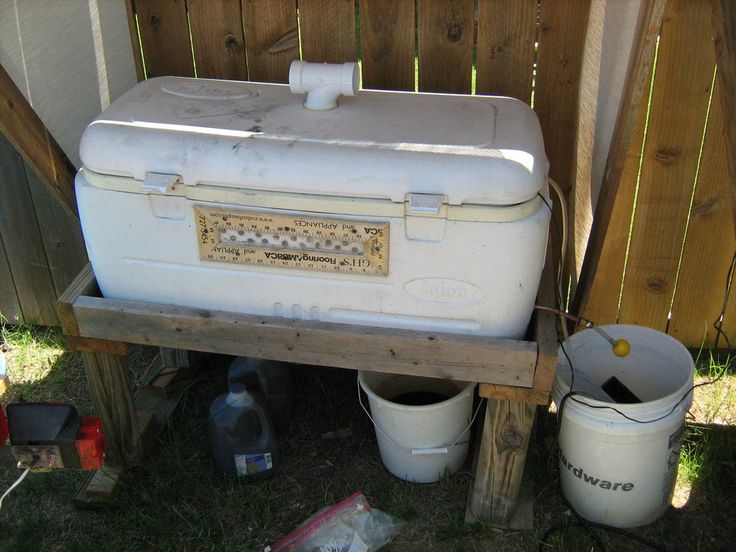
An old cooler sitting unused in storage can easily become a practical DIY Worm Compost Bin with very little effort.
The insulated walls help create a stable environment for worms, making it easier to maintain the right conditions without constant adjusting.
What once felt like clutter suddenly becomes part of something useful and sustainable.
There is something satisfying about giving forgotten items a second purpose, especially when that purpose helps nourish a garden naturally.
It turns composting into less of a project and more of a thoughtful habit that fits easily into everyday life.
3. Laundry Basket Worm Compost Bin
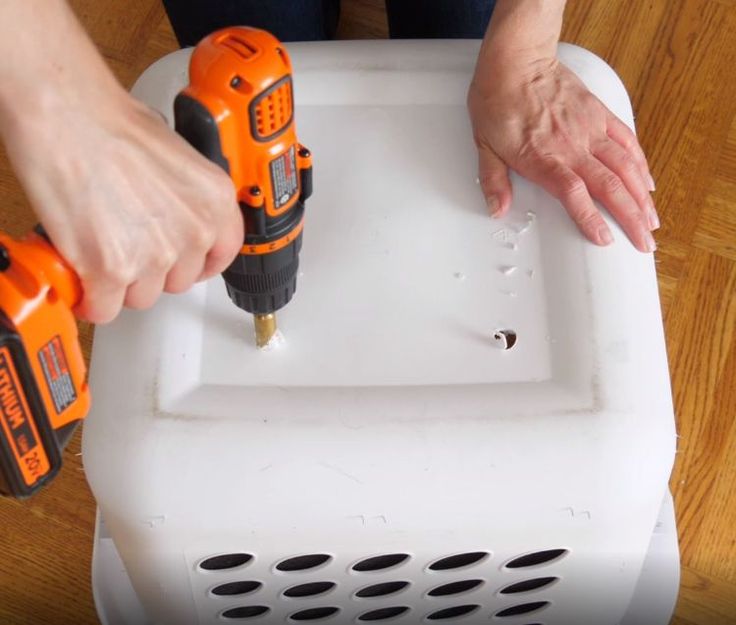
A plastic laundry basket can become a surprisingly effective DIY Worm Compost Bin with only a few simple adjustments.
The built-in holes already provide helpful airflow, which makes the setup feel easier right from the beginning.
Tucked into a garage corner, balcony, or shaded outdoor spot, it quietly handles kitchen scraps while keeping the process manageable for beginners.
There is something reassuring about realizing that composting does not always require special equipment when everyday household items can work just as well.
4. DIY Worm Bin Using Broken Plastic Containers
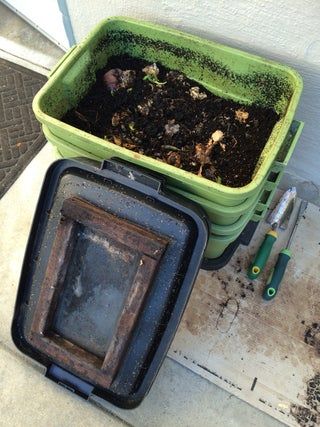
Broken plastic containers often seem like the kind of thing destined for the trash, but many can still become a functional DIY Worm Compost Bin with a little creativity.
Small cracks or worn edges rarely matter once ventilation is added and bedding is layered inside.
What matters is creating a space where food scraps can begin their slow return to the soil.
This kind of setup feels especially encouraging for beginners because it removes the pressure to make everything perfect.
Sometimes an eco-friendly garden begins with simply making better use of what is already there.
Outdoor DIY Worm Compost Bin Ideas for an Eco-Friendly Garden
1. Raised Garden Bed Worm Tower
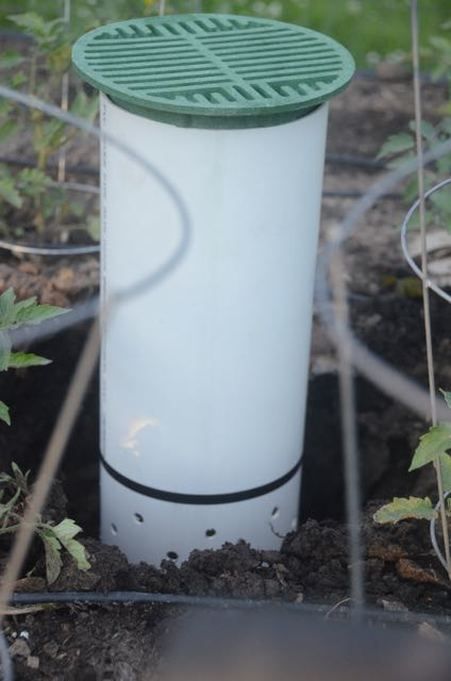
A raised garden bed worm tower creates one of the most natural-feeling compost systems because everything happens right where the plants are growing.
This type of DIY Worm Compost Bin is usually built into the soil using a vertical pipe or small container where kitchen scraps are added directly for the worms to process.
Over time, nutrients slowly spread into the surrounding garden bed, helping plants grow stronger and healthier in a steady, organic way.
It feels simple, efficient, and deeply connected to the rhythm of the garden itself, especially for gardeners who want composting to blend seamlessly into their outdoor space.
2. Wooden Pallet Worm Compost Bin
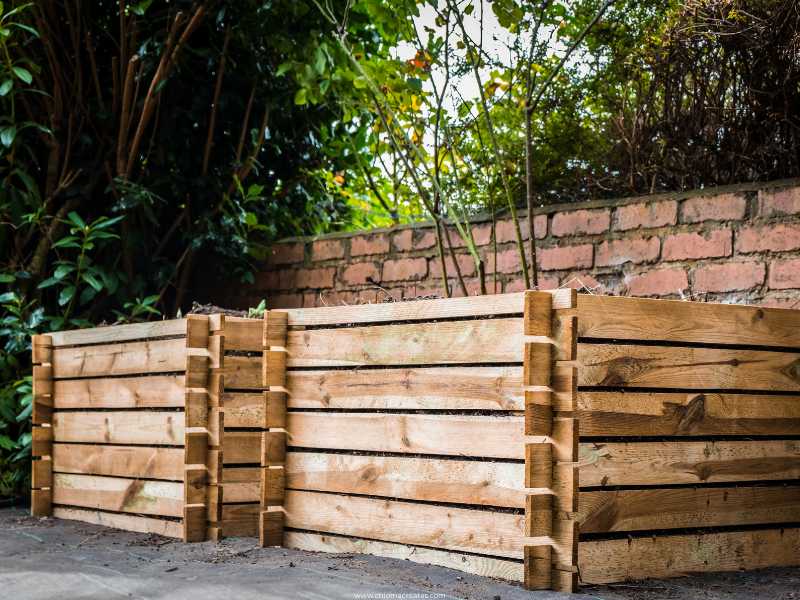
Wooden pallets can easily become a rustic and functional DIY Worm Compost Bin that fits beautifully into backyard gardens.
The open wood design naturally allows airflow while giving the entire setup a relaxed, eco-friendly look that feels more inviting than bulky plastic containers.
It is especially appealing for larger gardens where composting can become part of the outdoor atmosphere instead of something hidden away.
There is also something satisfying about turning discarded materials into a space that helps reduce waste while feeding the soil naturally season after season.
3. Hidden Corner Compost Station
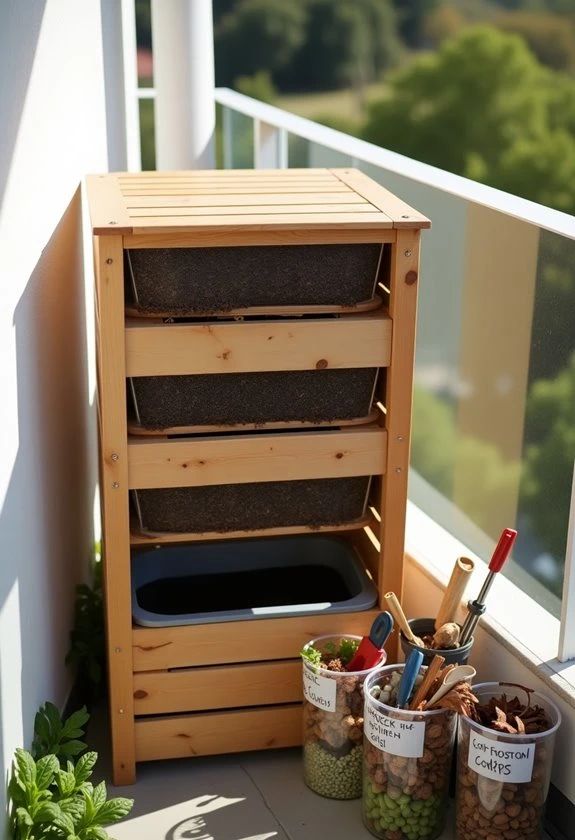
Not every gardener wants composting to become the center of attention, which is exactly why a hidden corner setup works so well.
A tucked-away DIY Worm Compost Bin behind shrubs, fencing, or garden beds keeps everything discreet while still helping the garden thrive quietly in the background.
This kind of setup often feels easier to maintain because it blends naturally into the yard without disrupting the overall look of the space.
Even a small unused corner can slowly become one of the most productive parts of an eco-friendly garden over time.
4. Cinder Block Worm Compost Station
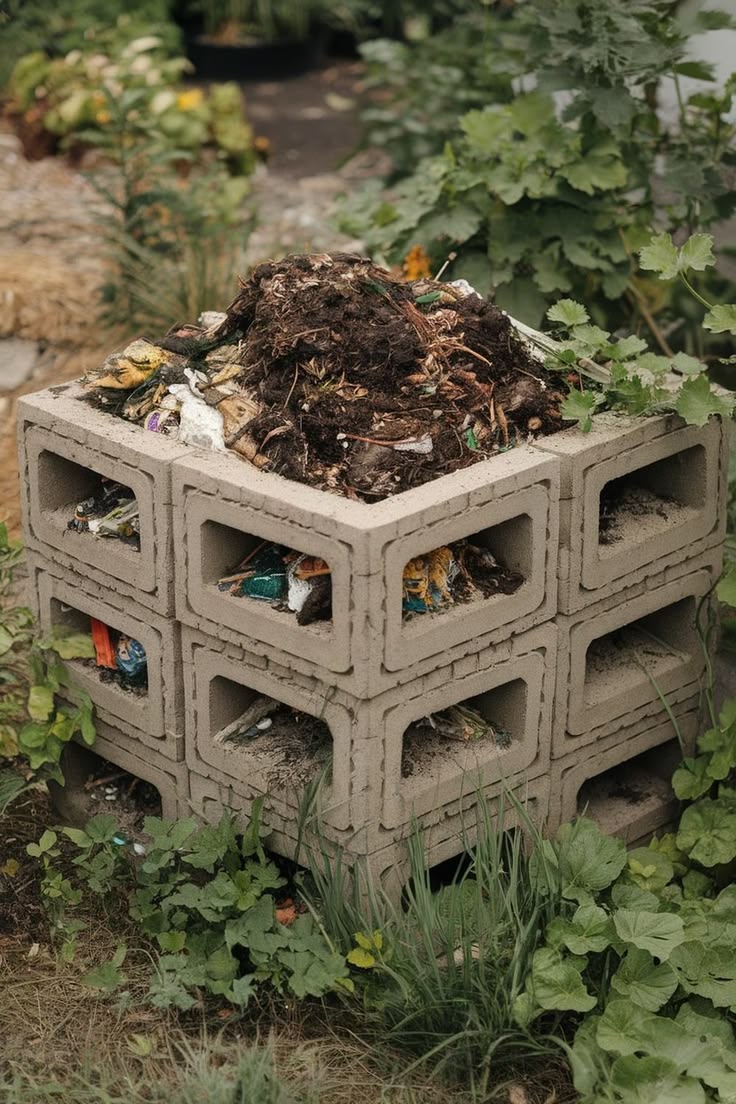
A cinder block DIY Worm Compost Bin brings a sturdy, practical feel to outdoor gardens while still being simple to build.
The blocks naturally create airflow gaps, and the structure can easily be adjusted to fit different backyard sizes or layouts.
What makes this idea appealing is how durable and low-maintenance it feels once assembled.
Instead of constantly replacing materials or worrying about wear from weather, the setup stays reliable through changing seasons while continuing to turn everyday scraps into compost that helps the garden grow stronger over time.
A thriving garden feels even more peaceful when paired with simple backyard water features that bring movement, texture, and a calm cozy atmosphere outdoors.
Cute and Clever DIY Worm Compost Bin Ideas That Actually Look Good
1. Modern Black Bin With Wooden Lid
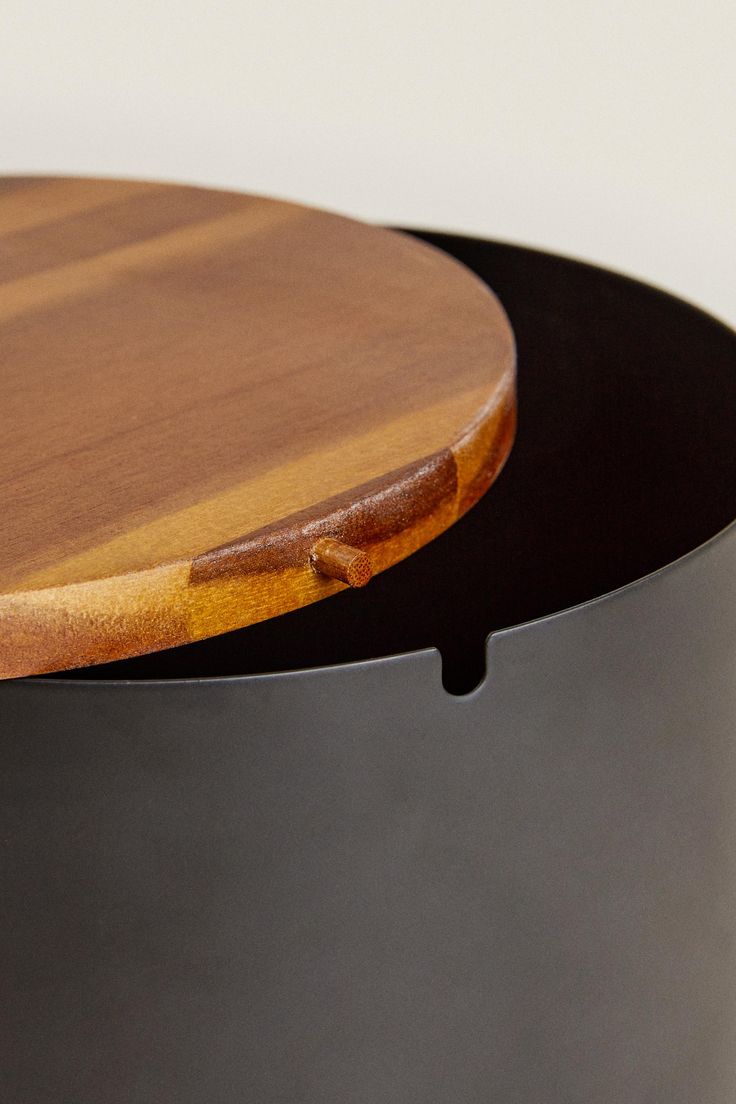
A sleek black container paired with a simple wooden lid can turn a DIY Worm Compost Bin into something that feels surprisingly stylish instead of purely practical.
The clean contrast between dark tones and natural wood blends beautifully into modern patios, balconies, or minimalist backyard spaces without making composting feel messy or out of place.
What makes this setup so appealing is how effortlessly it fits into the overall look of an eco-friendly garden while still quietly doing the work of transforming kitchen scraps into nutrient-rich compost behind the scenes.
2. Vertical Worm Compost Station
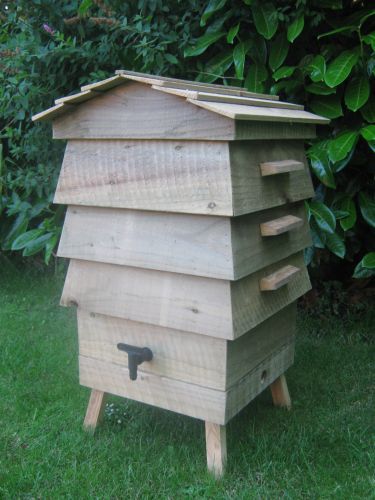
Vertical compost stations are perfect for gardeners who want to save space while still creating something visually interesting.
A tall DIY Worm Compost Bin with stacked sections or narrow vertical layers naturally draws the eye upward, making patios and small garden corners feel more organized and intentional.
Beyond the practical benefits, the structure itself adds a modern garden feel that works especially well in compact outdoor spaces.
It turns composting into something that feels creative and space-smart rather than bulky or overwhelming.
3. Painted Compost Bin for Patio Gardens
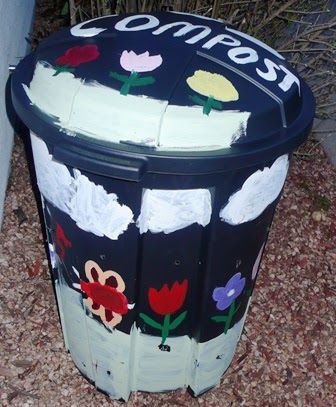
A painted DIY Worm Compost Bin can completely change the way composting looks in a patio garden.
Soft earthy shades, muted greens, warm whites, or even subtle floral details can help the bin blend naturally into outdoor decor instead of standing out awkwardly.
For many gardeners, that small visual detail makes the entire setup feel more enjoyable to keep around long term.
It becomes less of a hidden utility item and more of a thoughtful part of the garden space, adding both charm and purpose at the same time.
If you love affordable garden projects, these cute dollar store bird bath ideas can make your outdoor space feel even more charming without spending much.
What to Feed Worms for Rich Compost Faster
Best Foods, Simple Mistakes, and What to Avoid
One of the easiest ways to keep a DIY Worm Compost Bin healthy is by giving the worms the right balance of kitchen scraps.
Fruit peels, vegetable scraps, coffee grounds, crushed eggshells, tea bags, and small pieces of cardboard or paper usually break down well and help create nutrient-rich compost faster.
Cutting scraps into smaller pieces can also help the process move along more smoothly.
At the same time, a few common mistakes can quickly slow everything down.
Too much food at once, overly wet bedding, or adding oily leftovers can make the bin smell unpleasant and harder to manage.
Meat, dairy, spicy foods, and heavily processed scraps are also best avoided because they attract pests and disrupt the composting process.
The good news is that worm composting does not need to feel complicated to work beautifully.
Once a DIY Worm Compost Bin finds a steady rhythm, even simple everyday scraps can slowly become part of a healthier, richer, and more eco-friendly garden over time.