
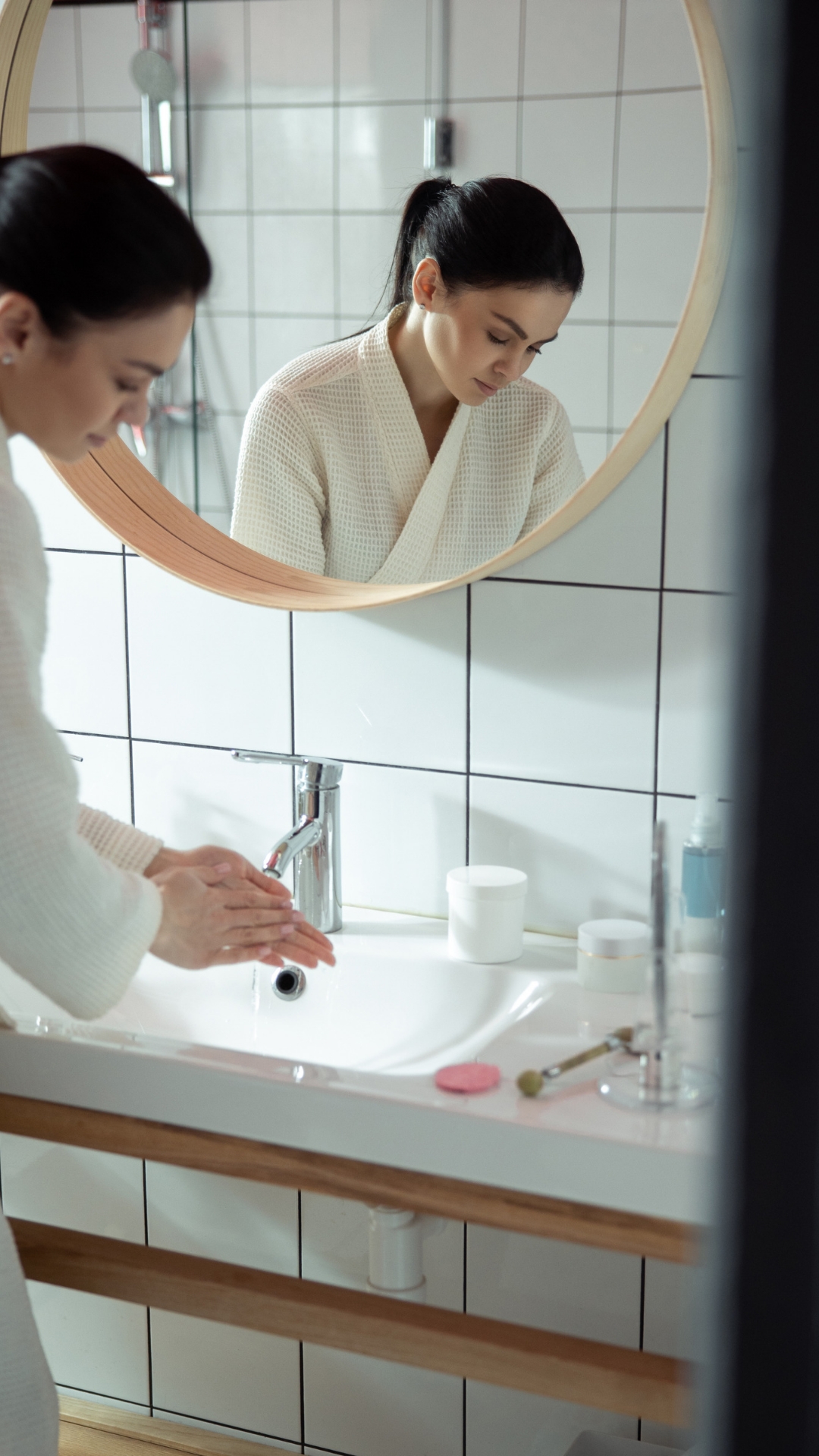
Learn How to Take Care of Yourself as a Woman Hygienically.
Your body is your home. It is the one place you will live in every single day for the rest of your life, and the way you care for it says something powerful about the value you place on yourself. Feminine hygiene is not a topic that gets talked about enough, not with the warmth, the detail, or the dignity it deserves. Most of us were given a few rushed conversations growing up and left to figure out the rest on our own. This post is the conversation many of us never had.
I learned the true meaning of intentional personal hygiene when I started taking my self-care routine seriously, not as a chore, but as an act of love for myself. Once I stopped treating it as the bare minimum and started treating it as a non-negotiable investment in how I feel every day, everything shifted. I felt more confident walking into rooms. I felt cleaner and lighter in my body. And I started understanding that hygiene is not just about how you smell. It is about how you feel from the inside out.
What I want to share is exactly How to Take Care of Yourself Properly as a Woman Hygienically. Because the truth is, taking care of yourself hygienically as a woman is not complicated. It is a collection of consistent habits, each one small on its own. That is what real hygiene care gives you, quiet, unshakeable confidence.
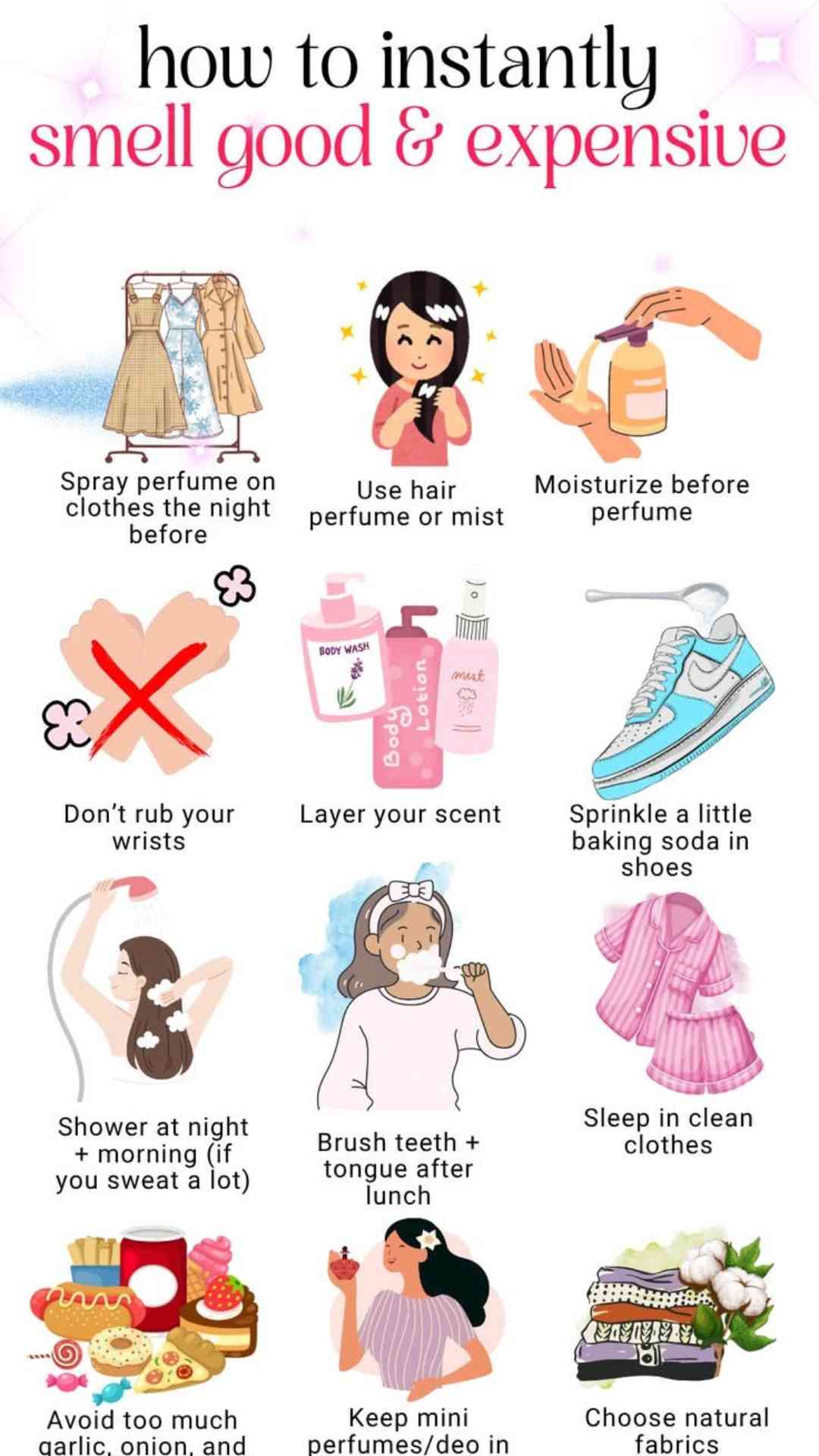
So let us get into the How to Take Care of Yourself as a Woman Hygienically practices that will make you feel fresh, clean, and genuinely well cared for every single day.
Below you will learn How to Take Care of Yourself as a Woman Hygienically:
How to Take Care of Yourself as a Woman Hygienically
Caring for Your Skin Daily to Maintain a Clean, Healthy, and Naturally Glowing Complexion
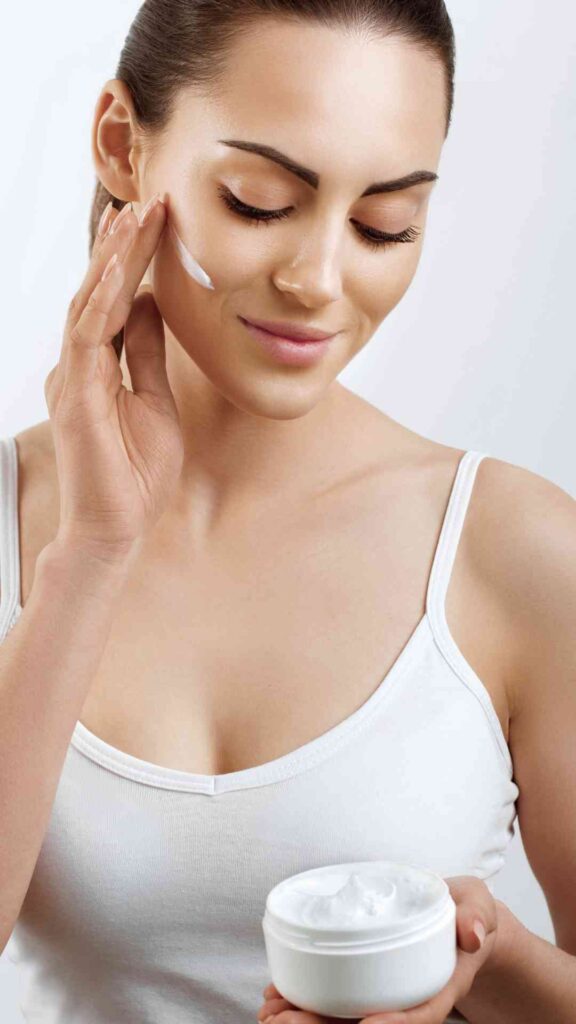
Your skin is the largest organ in your body and the one most exposed to the world. A consistent daily skincare routine, cleansing, moisturising, and protecting, is the foundation of good personal hygiene that most women underestimate. Washing your face twice a day removes the sweat, oil, pollution, and bacteria that accumulate on the surface throughout the day and night. Skipping this step, even once, allows buildup to settle into the pores and the skin begins to show the effects very quickly.
Beyond cleansing, caring for your skin also means exfoliating regularly to remove dead skin cells that dull the complexion and clog the pores. Moisturising to keep the skin barrier strong and healthy, and wearing sunscreen daily to prevent the kind of long-term damage that makes the skin age faster than it should. Your skincare routine does not need to be complicated or expensive to be effective. What it needs to be is consistent, gentle, and genuinely suited to your skin type.
These are Daily Skin Care Hygiene Practices for Women
• Cleanse your face every morning and every evening with a gentle, sulphate-free cleanser
• Exfoliate two to three times a week to keep the skin surface smooth and clear
• Apply a lightweight moisturiser every day to maintain the skin’s natural barrier
• Wear SPF 30 or higher sunscreen daily, even on cloudy days or when indoors near windows
• Remove all makeup thoroughly before bed without exception, using a proper makeup remover
Maintaining Full Body Hygiene to Feel Clean, Fresh, and Completely Comfortable in Your Skin All Day
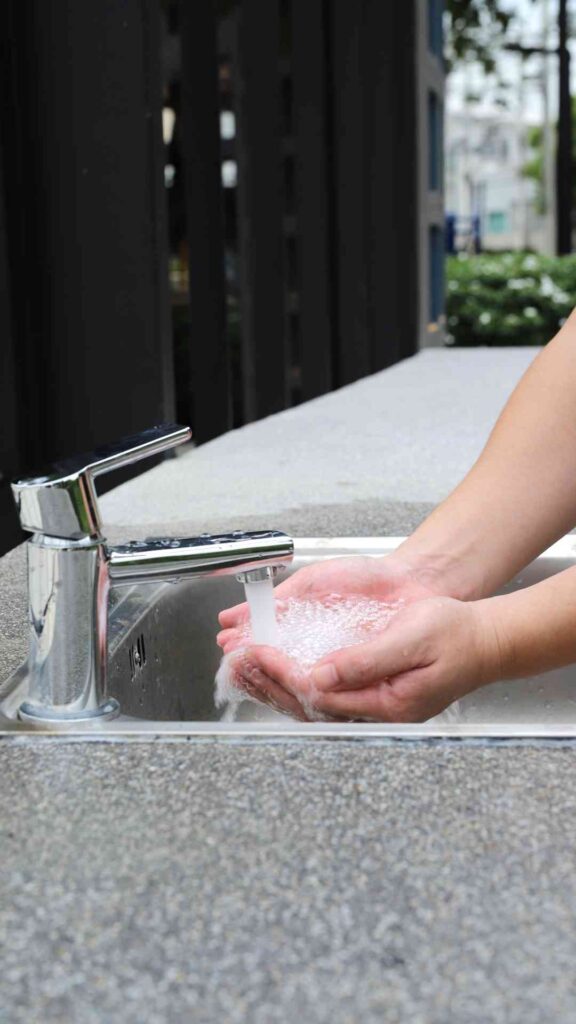
Bathing daily is the most fundamental act of personal hygiene, and yet the details of how you do it matter more than most people realise. Using a quality body wash or soap that suits your skin type. Paying attention to areas that sweat and accumulate bacteria, the underarms, the back, between the toes, the folds of the skin, and rinsing thoroughly rather than rushing through the process all contribute to how clean and fresh you actually feel afterward.
Body hygiene also extends to what happens after the shower. Drying your body thoroughly, particularly between the toes and in skin folds, prevents the warm. Damp conditions that bacteria and fungus thrive in. Applying a good body moisturiser while your skin is still slightly damp seals in hydration and keeps the skin soft and healthy. Your body care routine is a daily investment in your comfort and confidence. And it costs nothing but a few extra intentional minutes.
These are Full Body Hygiene Practices for Women
• Shower or bathe at least once daily, paying careful attention to underarms, feet, and skin folds
• Use a clean loofah or body brush to exfoliate the skin and prevent ingrown hairs
• Dry your body thoroughly after washing, especially between toes and in fold areas
• Apply a fragrance-free body lotion or oil while the skin is still slightly damp to seal in moisture
• Change your bath towel at least every three to four days and wash it regularly to prevent bacteria buildup
Practicing Proper Feminine Hygiene to Keep Your Intimate Area Clean, Balanced, and Genuinely Healthy

Feminine hygiene is one of the most important areas of personal care for a woman, and also one of the most misunderstood. The vaginal area is self-cleaning and has its own natural pH balance and bacterial ecosystem that keeps it healthy. The most important thing you can do is support that natural balance rather than disrupt it. This means washing the external area only, the vulva, with warm water or a very mild, unscented soap. And never douching or using heavily fragranced products internally.
Beyond washing, feminine hygiene includes how you choose and change your period products, the underwear you wear, and how attentive you are to any changes in odour, discharge, or discomfort that might signal an imbalance worth addressing. Wearing breathable cotton underwear, changing period products regularly, and seeing a gynaecologist for annual check-ups are not optional hygiene habits, they are essential ones. Your intimate health deserves the same care and attention as every other part of your body, without shame and without rushing.
These are Feminine Hygiene Practices Every Woman Should Maintain For How to Take Care of Yourself as a Woman Hygienically
• Wash the external intimate area with warm water or a pH-balanced, fragrance-free intimate wash only
• Change sanitary pads every four to six hours and tampons every four to eight hours during your period
• Wear breathable cotton underwear that allows air circulation and reduces moisture buildup
• Wipe from front to back always, to prevent bacteria from the anal area reaching the vaginal area
• Schedule a gynaecological check-up at least once a year to monitor your reproductive health
Building a Complete Oral Hygiene Routine to Protect Your Teeth, Your Breath, and Your Overall Health
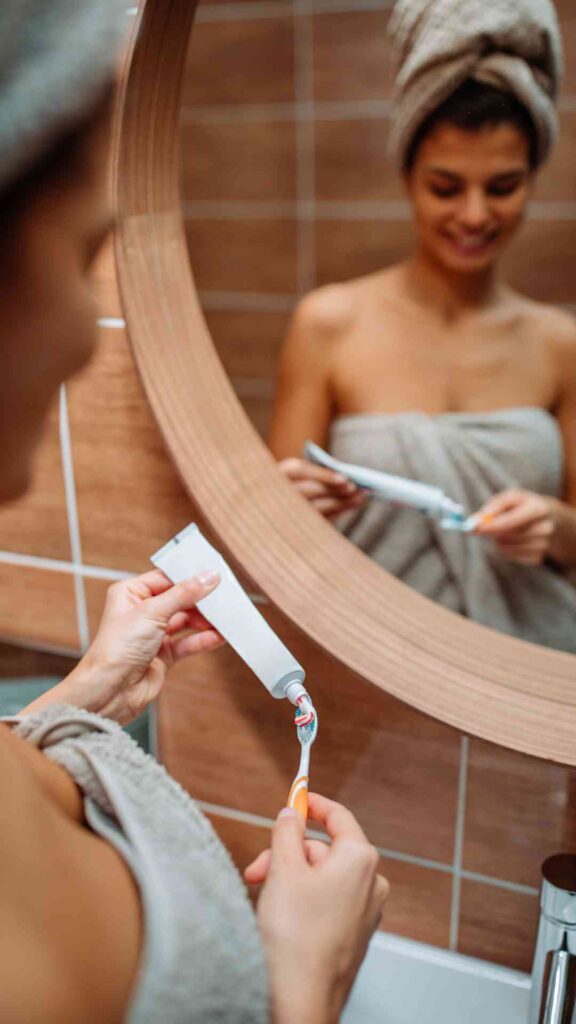
Oral hygiene is one of the first things people notice about you without realising it, and it affects far more than just your breath. The health of your mouth is directly connected to your overall health, poor oral hygiene has been linked to heart disease, diabetes, and respiratory conditions. But beyond those larger implications, a clean, healthy mouth gives you the confidence to speak freely. Laugh openly. And engage with the world without any silent second-guessing about your breath or your smile.
Brushing twice a day is the baseline. But it is not the complete picture. Flossing removes the debris and plaque that accumulates between the teeth where your brush cannot reach. And this is where most of the bacteria that cause bad breath and gum disease actually live. Using a tongue scraper removes the coating on the tongue that is responsible for a significant portion of breath odour. These small additions to your routine take less than five minutes and make a difference. That is both visible in the long term and felt immediately every single day.
These are Oral Hygiene Practices for a Clean and Healthy Mouth
• Brush your teeth twice daily for a full two minutes using a fluoride toothpaste
• Floss at least once every day, preferably at night before bed, to remove inter-dental buildup
• Use a tongue scraper each morning to remove bacteria and coating that cause bad breath
• Rinse with an antibacterial mouthwash to kill remaining bacteria and keep breath fresh throughout the day
• Visit your dentist every six months for a professional cleaning and health check
Caring for Your Hair and Scalp With Consistency to Keep It Clean, Healthy, and Visibly Well Maintained

Hair hygiene is about far more than how your hair looks, it is about the health of the scalp underneath it. The scalp is skin, and it accumulates oil, sweat, product buildup, and dead skin cells in the same way the rest of your body does. Washing your hair regularly with a shampoo suited to your hair type removes that buildup and keeps the scalp environment healthy and balanced. How often you need to wash depends on your hair texture, scalp type, and lifestyle, but consistency matters more than frequency.
Beyond washing, caring for your hair hygienically includes keeping your hair accessories clean, washing your pillowcase regularly since it comes into contact with your hair and scalp every night. And trimming your ends consistently to prevent split ends from travelling up the hair shaft and causing breakage. Hair care and hair hygiene are not the same thing, you can have beautifully styled hair that is not hygienically maintained, and the difference shows over time in the health, strength, and appearance of your hair.
These are Hair and Scalp Hygiene Practices for Women
• Wash your hair regularly with a sulphate-free shampoo suited to your hair type and scalp needs
• Rinse your scalp thoroughly to ensure no product residue is left behind after washing
• Clean your hairbrushes and combs at least once a week to prevent oil and product buildup transferring back to your hair
• Change your pillowcase at least twice a week to reduce scalp contact with accumulated oil and bacteria
• Trim your ends every six to eight weeks to maintain hair health and prevent breakage from split ends
Managing Underarm Hygiene Effectively to Stay Fresh, Odour-Free, and Fully Confident All Day Long

The underarms are one of the most sweat-prone areas of the body and consequently one of the most important areas to manage hygienically. Sweat itself is odourless. It is the bacteria that live on the surface of the skin that break it down and produce the characteristic odour. This means that truly effective underarm hygiene is not just about masking the smell. But about reducing the bacterial environment that produces it in the first place.
Washing the underarms thoroughly with soap every day. Removing underarm hair regularly if you choose to, and applying a quality deodorant or antiperspirant consistently are the three pillars of underarm hygiene. Wearing breathable, natural fabrics, particularly cotton, reduces the amount of sweat trapped against the skin throughout the day. And if you notice that a particular deodorant stops working as effectively over time. Switching to a different formula resets the skin’s response. Your underarm hygiene is a small daily decision that has a direct and significant impact on how you feel in social and professional spaces.
These are Underarm Hygiene Practices for Daily Freshness
• Wash your underarms with soap every day, giving them the same attention as any other part of your body
• Apply deodorant or antiperspirant to clean, dry underarms every morning after your shower
• Wear natural, breathable fabrics like cotton that allow airflow and reduce sweat accumulation
• Shave or remove underarm hair regularly if you choose to, as it reduces the surface area for bacterial growth
• Carry a travel-size deodorant for use after exercise, long days, or any activity that increases perspiration
Taking Care of Your Feet With Daily Attention to Keep Them Clean, Healthy, and Genuinely Well Cared For
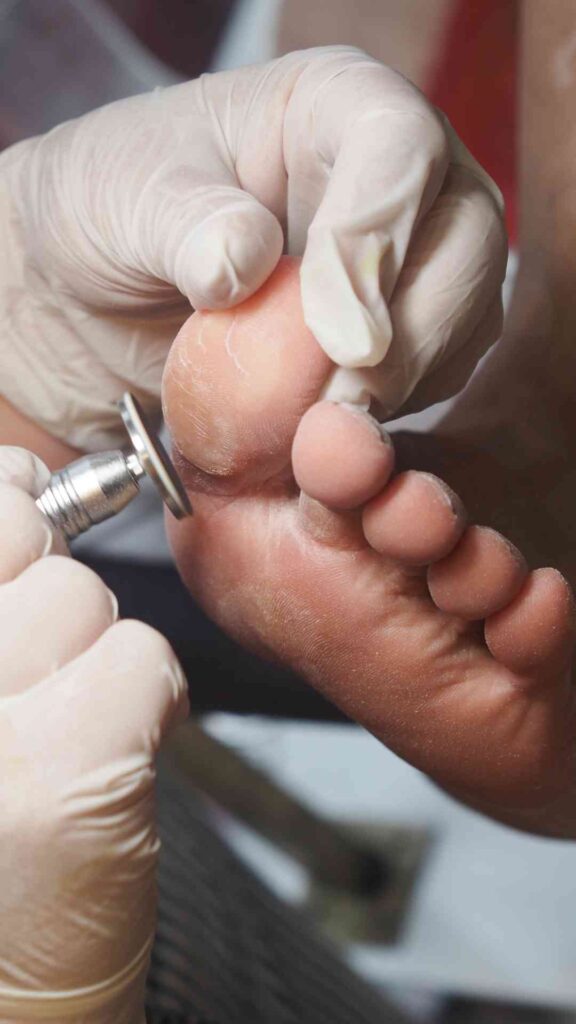
Feet are one of the most neglected areas of personal hygiene and one of the most important. They spend most of their time enclosed in shoes and socks, in a warm, moist environment that is ideal for bacteria and fungus to grow. Washing your feet thoroughly in the shower. Including between the toes where moisture and bacteria accumulate most. And drying them completely afterward are non-negotiable steps that prevent the odour, infection, and discomfort that poor foot hygiene creates.
Beyond washing, foot hygiene includes keeping toenails trimmed and clean. Exfoliating the soles of the feet regularly to remove the dead skin buildup that contributes to hardness and cracking. And moisturising to keep the skin supple and healthy. Rotating your shoes so the same pair is not worn two days in a row gives them time to dry out fully between wears. Significantly reducing bacterial growth inside the shoe. Your feet carry you everywhere, they deserve far more deliberate care than most of us give them.
These are Foot Hygiene Practices for Clean and Healthy Feet
• Wash your feet thoroughly every day including between each toe, then dry them completely
• Trim your toenails straight across every one to two weeks to prevent ingrown toenails and bacteria under the nail
• Exfoliate the soles of your feet weekly with a pumice stone or foot scrub to remove hardened dead skin
• Moisturise your feet every evening with a rich foot cream or body lotion, paying extra attention to the heels
• Wear clean socks made from breathable cotton or moisture-wicking fabric every day without exception
Practising Consistent Hand Hygiene to Protect Your Health and Present the Best Version of Yourself Daily
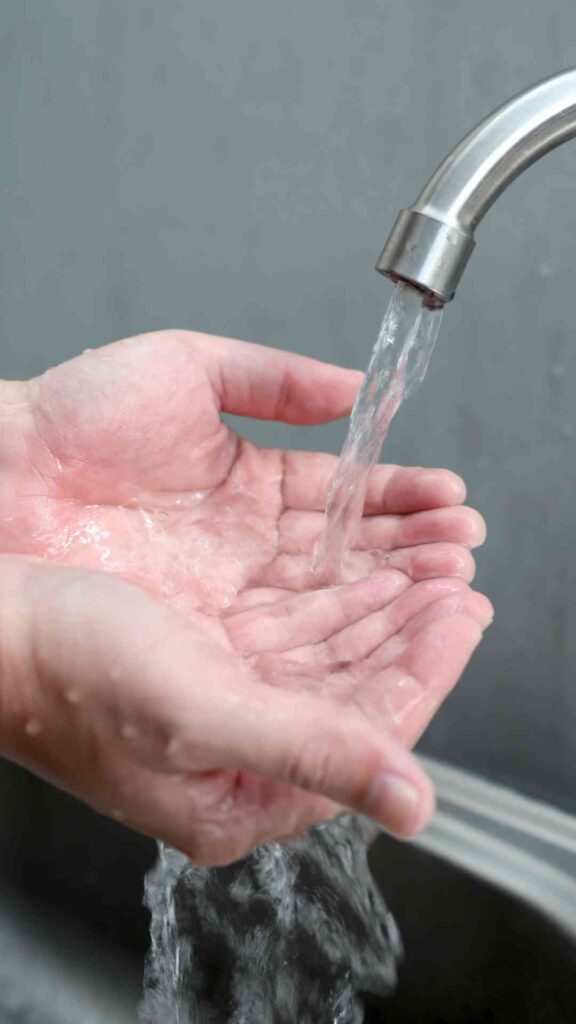
Your hands are involved in almost everything you do, and they come into contact with more surfaces, bacteria, and potential pathogens in a single day than any other part of your body. Hand hygiene is the single most effective thing you can do to protect your health and the health of the people around you. Washing your hands properly, with soap, for at least twenty seconds, covering every surface including between the fingers and under the nails, is not a formality. It is a genuine act of care for your body.
Beyond the health implications, your hands are also one of the most visible parts of your body. Well-maintained hands, clean nails, moisturised skin, tidy cuticles, communicate the same kind of quiet self-respect as a well-chosen outfit. Keeping a good hand cream near every sink and using it consistently after washing prevents the dryness and cracking that comes from frequent handwashing. Keeping your nails trimmed and clean. Even if natural or manicured, is the finishing detail that makes your hands look as intentionally cared for as the rest of you.
These are Hand Hygiene Practices for Clean, Healthy, and Well-Maintained Hands
• Wash your hands with soap and water for at least twenty seconds before eating, after using the bathroom, and after touching public surfaces
• Use a hand sanitiser with at least 60 percent alcohol when soap and water are not available
• Apply a nourishing hand cream after every wash to prevent dryness and keep the skin barrier strong
• Keep your nails trimmed and clean, checking under the nails regularly where bacteria accumulates most
• Clean your phone screen daily, as it touches both your hands and face and carries a significant bacterial load
Maintaining Clean Clothing and Bedding as a Critical Part of Your Daily Hygiene Routine and Overall Wellbeing

Personal hygiene does not end with your body, it extends directly to the things that come into contact with your body every day. Your clothing, underwear, bedsheets, and towels are in continuous contact with your skin, and the bacteria, sweat. And dead skin cells they absorb need to be removed regularly through washing. Wearing clean clothes every day, and clean underwear without exception, is a non-negotiable foundation of feminine hygiene that affects both your health and how you smell and feel throughout the day.
Bedding deserves particular attention because you spend six to eight hours in direct contact with it every night. Your pillowcase in particular absorbs oil, sweat, skincare products, and saliva while you sleep. And sleeping on a dirty pillowcase is one of the most overlooked contributors to breakouts, scalp issues, and skin irritation. Washing your bedsheets weekly. And your pillowcases every three to four days is one of the simplest upgrades you can make to your hygiene routine with an impact. That shows directly on your skin and your overall freshness.
These are Clothing and Bedding Hygiene Practices Every Woman Should Follow For This Guide on How to Take Care of Yourself as a Woman Hygienically
• Wear freshly washed underwear every single day without exception, this is the most basic hygiene standard
• Wash your bras every two to three wears to prevent bacteria and sweat buildup in the fabric
• Change and wash your bedsheets weekly, including pillowcases which should be changed every three to four days
• Wash gym clothes and activewear immediately after every use before wearing them again
• Store clean clothes in a clean, dry space away from damp environments that encourage mildew and bacteria
You have Learnt How to Take Care of Yourself as a Woman Hygienically.
Looking for more beautiful ways to care for yourself? Check out Healthy Lifestyle Habits for Women and Morning Routine Ideas for Women.