Hair looking flat in summer? Summer balayage for women over 30 blends soft light and darker tones to make hair appear fuller and more dimensional with low upkeep.
If you’ve noticed your hair doesn’t have the same fullness it used to, especially after 30, you’re not imagining it. A lot can shift over time, hormones, stress, heat styling, even just the natural texture changes that come with age.
And if your hair has always been fine, summer can make it feel even more unforgiving.
You probably still want that light, sun-kissed brightness for the warmer months, but there’s also that quiet worry in the back of your mind: what if balayage makes my hair look even thinner? what if it ends up looking dry or see-through?
Here’s something you should know: balayage isn’t the problem. It’s the way it’s done.
When the placement is thoughtful, when the stylist keeps depth at the roots, blends tones softly, and avoids over-lightening thin sections, balayage can actually do the opposite of what you’re afraid of.
It can make your hair look fuller, give it movement, and create that soft dimension that tricks the eye into seeing more volume. But when it’s too light, too flat, or too streaky, it can expose the scalp and make fine hair look even more fragile than it is.
That’s why this guide is focused on helping you choose smarter, not just prettier.
You’ll find:
- Summer balayage ideas that actually flatter thin hair instead of overwhelming it
- What really makes hair appear fuller (it’s not just going lighter)
- Shades that tend to work better, and ones that quietly work against you
- Placement tricks stylists use to build dimension without damage
- And simple maintenance tips that help your color stay soft, not straw-like
The goal isn’t to push you into a trend, it’s to help you understand what works with your hair as it is right now, so you can leave the chair feeling like your hair still belongs to you.
Why Thin Hair Starts Looking Flatter After 30
Before jumping into color ideas, it helps to understand what’s actually changing, because what you’re seeing in the mirror usually isn’t just “bad hair days.” There are real, natural shifts that can make hair feel less full over time, especially after 30.
Hair Density And Hair Strand Thickness Are Not The Same Thing
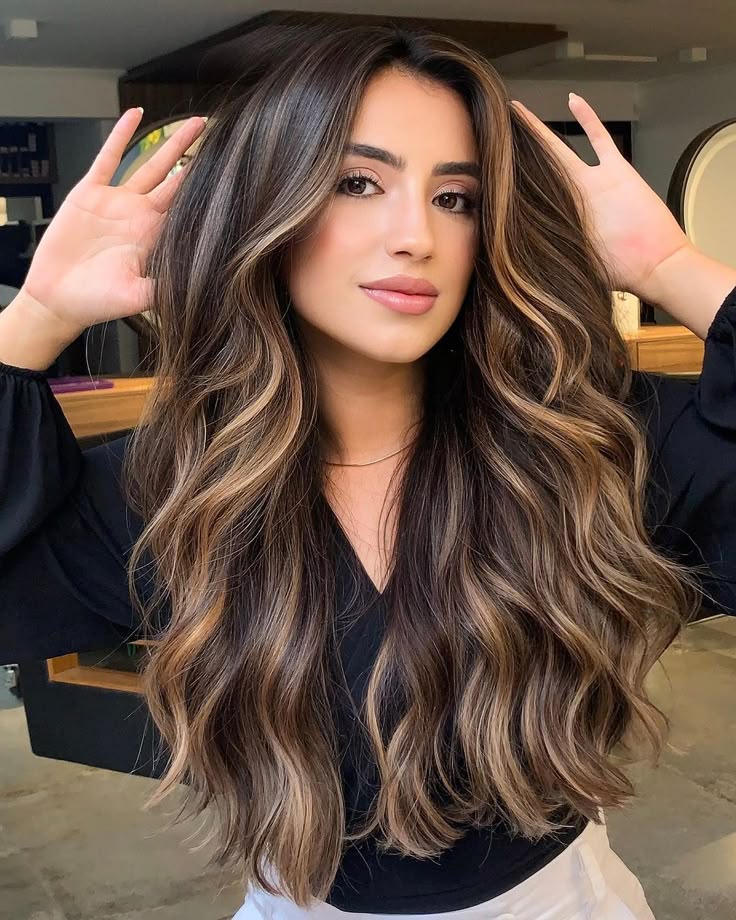
This is where a lot of confusion starts, and it matters because the solution depends on what’s actually happening to your hair.
Fine Hair (Strand Thickness)
Simply means each individual strand is naturally thin. You might have a full head of hair, but the strands themselves are delicate, soft, and lightweight. This type of hair often struggles to hold volume because it doesn’t have much internal structure.
Thinning Hair (Density)
Is different. This refers to how many strands you actually have on your scalp. You can start with normal or even thick hair earlier in life, but over time, due to stress, hormonal shifts, or genetics, you may notice fewer strands overall. That’s when the scalp starts to become more visible.
After 30, many women experience a mix of both:
- Fine strands that don’t create much natural volume
- Slightly reduced density that makes the hair feel less “filled in”
When these two things combine, hair can start to look flatter even if nothing feels dramatically wrong. It’s not that your hair suddenly “stopped working”, it’s just that light, styling, and color reflect differently on less dense, finer strands.
This is exactly why balayage technique matters so much later on. The goal isn’t just adding color, it’s creating the illusion of depth, softness, and fullness where density has naturally shifted.
For easy, everyday styling inspiration, check out Cute Summer Hairstyles.
Summer Balayage Hair for Women Over 30
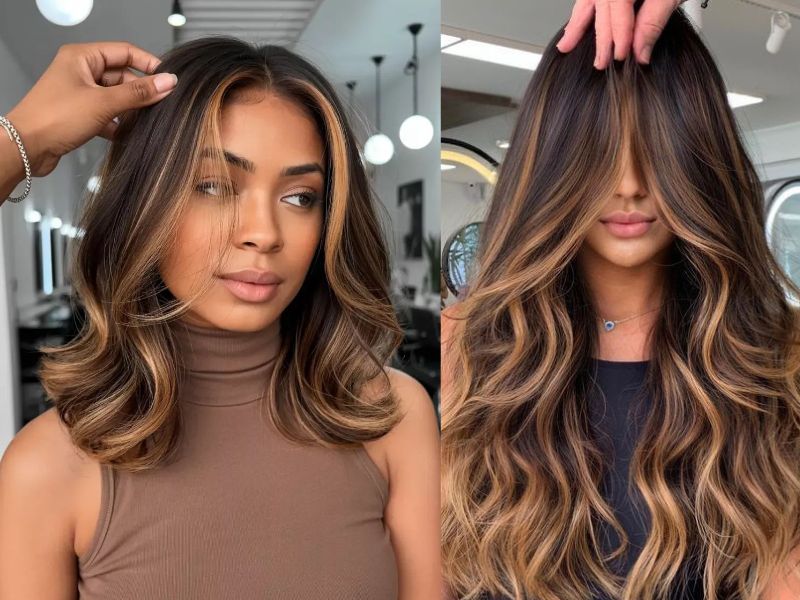
1. Soft Caramel Balayage On Medium To Dark Brown Hair
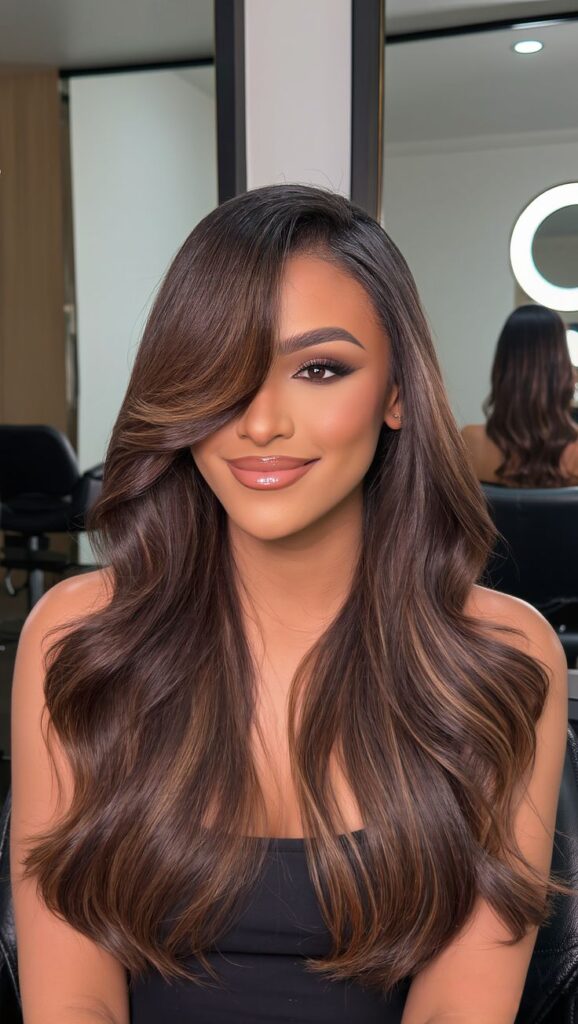
This is one of the most forgiving and naturally flattering balayage options if your hair feels fine, flat, or slightly sparse. It doesn’t push your hair into anything extreme, it simply works with your natural base and builds soft dimension in a very controlled way.
Who It Flatters:
This works best for you if your natural hair sits anywhere between medium brown and dark brown and you want a subtle change that still feels noticeable.
It’s especially helpful if you’ve ever felt that blonde highlights look too harsh, too streaky, or too “separated” on your strands. It suits women over 30 who prefer softness around the face without a dramatic transformation.
Why It Helps Thin Hair Look Fuller:
Caramel tones sit in a balanced middle range, not too dark, not too light, which is exactly what creates visual fullness.
Instead of one flat color, the soft caramel ribbons break up the base just enough to add movement and texture.
On fine hair, that illusion of movement is what makes hair appear denser. The contrast is gentle, so it doesn’t expose the scalp or make sparse areas stand out.
Maintenance Level:
Low to moderate. This is a low-stress color choice because it grows out softly without harsh lines. You’ll mainly need occasional toning or glossing every 8–12 weeks to keep the warmth from shifting too brassy in the sun.
What To Ask Your Stylist:
- “I want soft caramel dimension, not chunky highlights.”
- “Please keep my roots slightly deeper for natural fullness.”
- “Can the brightness be focused mid-length and around the face, not at the scalp?”
Tones To Avoid:
Avoid overly orange or copper-heavy caramel tones, especially on fine hair, because they can look harsh and sometimes highlight dryness instead of softness. Also avoid adding very light blonde streaks, which can break the blended effect and make hair look thinner in sections.
Skin Tone Suitability:
- Warm undertones: This blends very naturally and enhances warmth in the skin.
- Cool undertones: Still works well if the caramel leans more neutral or beige rather than golden.
This is the kind of balayage that doesn’t try too hard, it quietly builds softness, depth, and the appearance of fuller hair without making your routine more complicated.
2. Honey Beige Balayage For Fine Hair That Falls Flat
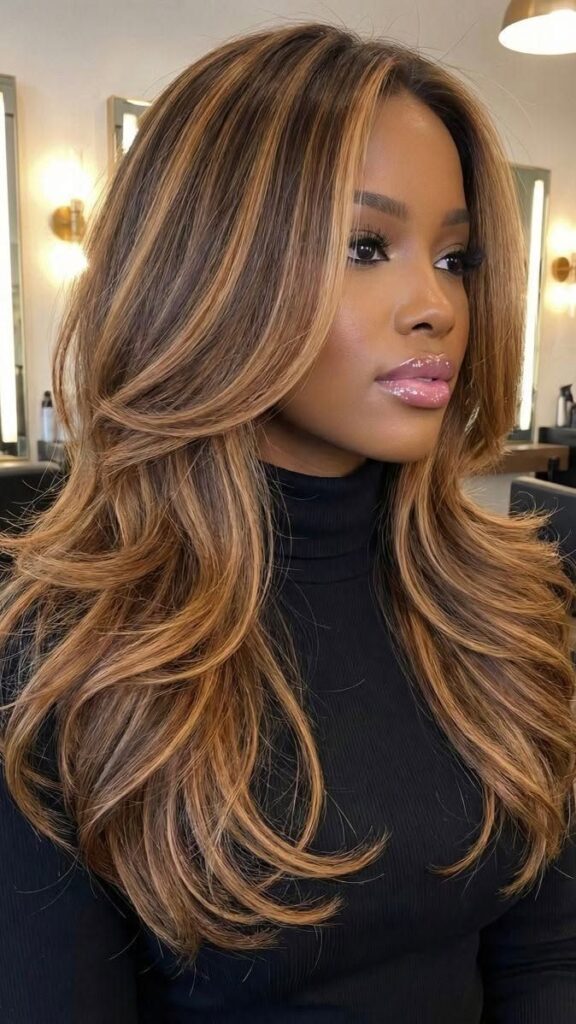
This is a softer, more neutral balayage option that works beautifully if your hair tends to look limp, heavy, or “too one-dimensional” in natural light. It’s designed for subtle brightness, not dramatic contrast, so it feels natural while still giving your hair more life.
Who It Flatters:
This suits you if your hair is naturally light brown to dark blonde or if you’ve been going lighter over time but don’t want anything too golden or too ash-heavy. It’s especially good for women over 30 with fine hair that tends to lose shape quickly after styling.
Why It Helps Thin Hair Look Fuller:
Honey beige sits in a soft neutral zone that reflects light without creating harsh contrast. On fine hair, too much contrast can sometimes separate strands visually, making hair look thinner.
This shade does the opposite, it blends softly, creating a gentle “blur effect” that makes the hair look more filled-in and airy at the same time.
It’s one of the most natural-looking options in summer balayage for women over 30because it enhances dimension without obvious streaks.
Maintenance Level:
Low to moderate. Honey beige tones can fade slightly warm over time, so a gloss or toner every 6–10 weeks helps keep the color balanced and soft, especially in summer sun exposure.
Tones To Avoid:
Avoid overly yellow or brassy blondes, which can make fine hair look dry. Also avoid icy platinum tones—they often remove the softness that helps create the illusion of fullness.
Skin Tone Suitability:
- Warm undertones: Enhances natural glow and warmth without looking too orange.
- Cool undertones: Works best when the honey tone is softened with beige or neutral blonde to avoid overpowering contrast.
This is a quiet, refined balayage choice that doesn’t scream for attention, it simply makes your hair look softer, fuller, and more intentional in everyday light.
You may also like 11 Summer Red Hair Ideas for Black Women Who Want Something Different for bold, statement-making color options.
3. Mocha Balayage With Shadow Roots For Women Losing Volume
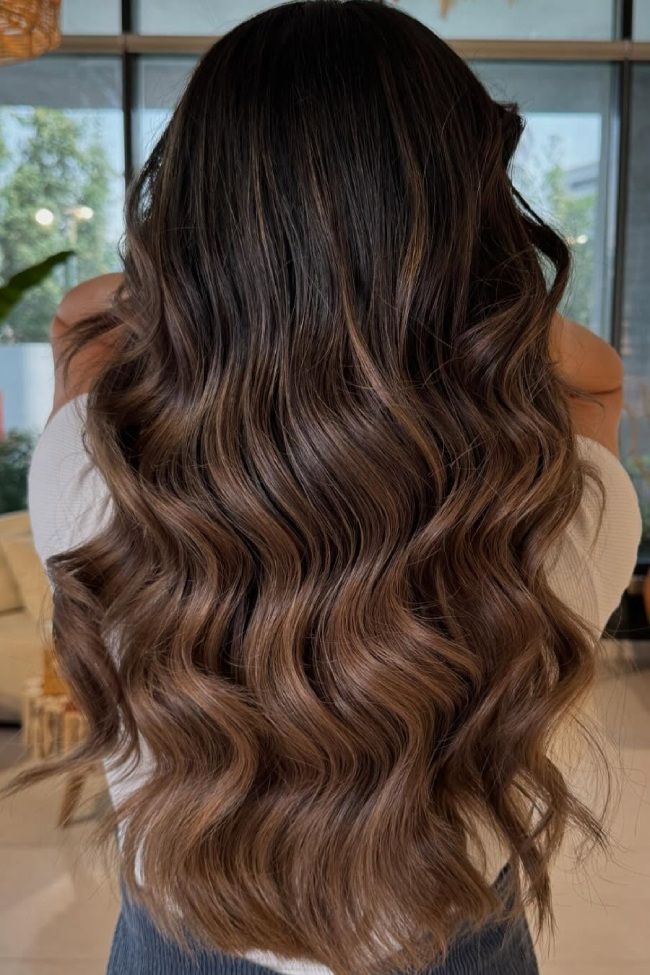
This is one of the most strategic color choices if your main concern is not just thin hair, but hair that has started to look less dense around the roots and mid-lengths. It uses depth, not brightness, to create the illusion of fullness.
Who It Flatters:
This is ideal for natural brunettes, especially medium to dark brown hair, and for anyone who feels their hair looks flatter at the crown or more see-through under bright lighting.
It’s also one of the most realistic summer balayage for women over 30 without requiring a full blonde transformation.
Why It Helps Thin Hair Look Fuller:
Mocha tones are rich, soft browns that add visual weight back into the hair. When combined with shadow roots, they create depth at the scalp, which is key for fine or thinning hair.
That deeper base reduces scalp visibility, while the softer mocha ribbons through the lengths add movement. This contrast—dark at the root, softly lighter through the ends, builds a natural illusion of density without looking harsh or overprocessed.
Maintenance Level:
Low. Shadow roots are intentionally designed to grow out naturally, which means fewer salon visits. You may only need a gloss or tone refresh every 8–12 weeks to keep the mocha richness from fading.
Tones To Avoid:
Avoid very ash-heavy browns that can make hair look dull or flat. Also avoid overly blonde ends, which can thin out the visual weight of the hair and reduce the fullness effect.
Skin Tone Suitability:
- Warm undertones: Mocha enhances warmth without looking too red or brassy.
- Cool undertones: Works best when the mocha has neutral or slightly cool undertones for balance.
This is a quiet, controlled balayage approach that doesn’t rely on brightness, it relies on depth. And for fine hair after 30, that depth is often what makes the biggest visual difference.
4. Face-Framing Balayage With Soft Money Pieces
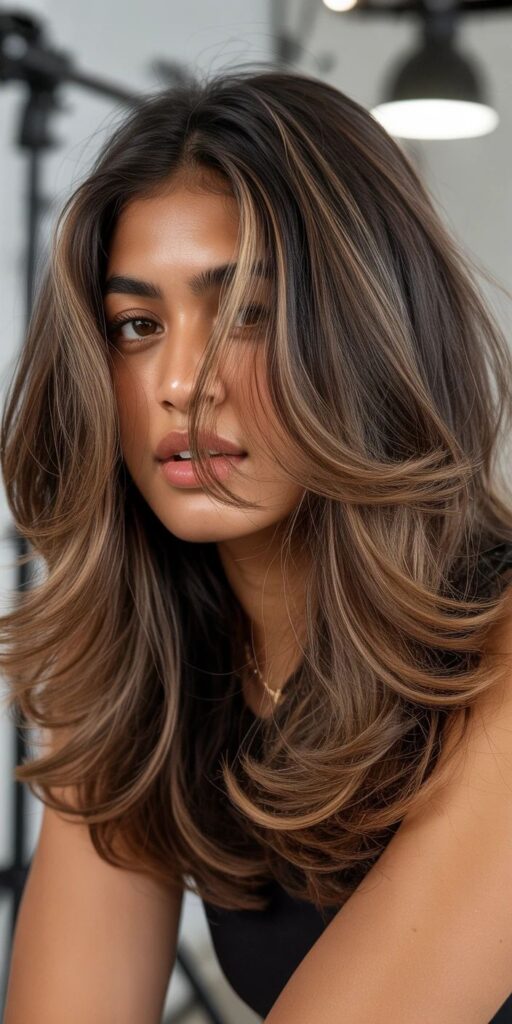
This is one of the most strategic ways to brighten your look without risking the “thin, see-through” effect that can happen when highlights are placed too heavily everywhere.
Who It Flatters:
This works best for women over 30 who feel their hair looks flat around the front or feels heavier at the back. It’s especially flattering if you often wear your hair down, tucked behind the ears, or in loose waves.
Why It Helps Thin Hair Look Fuller:
Instead of lightening the entire head, this technique focuses brightness around the face. That contrast draws attention upward and outward, which subtly distracts from areas where hair may feel thinner.
The key is softness, very blended face-framing pieces that melt into the rest of the hair. When done correctly, it creates dimension without exposing the scalp or breaking the overall density.
Maintenance Level:
Low. Since most of the color is concentrated in small sections, upkeep is easier and grows out more naturally than full-head highlights. A gloss refresh every few months helps keep the brightness soft and intentional.
Tones To Avoid:
Avoid very light platinum or icy blonde pieces at the front, they can create harsh contrast against fine hair and make the rest of the hair look flatter in comparison. Also avoid overly thick sections, which can look disconnected.
Skin Tone Suitability:
- Warm undertones: Golden or soft caramel face-framing pieces enhance warmth naturally.
- Cool undertones: Beige or neutral blonde works better to keep the look balanced.
This is a quiet confidence technique, it doesn’t change everything, but it changes what people notice first.
5. Sandy Blonde Balayage For Naturally Fine Hair
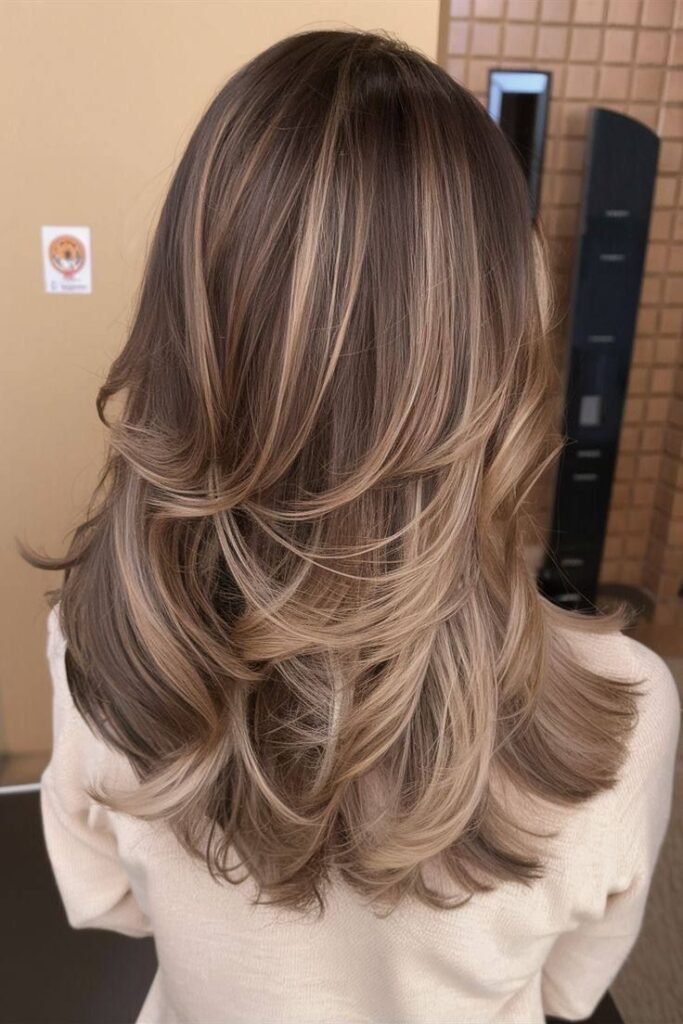
This is a soft, muted blonde option designed for women who want brightness without the harshness of icy platinum or the heaviness of overly warm gold.
Who It Flatters:
It suits women with naturally light brown to dark blonde hair who want to go lighter for summer but are careful about damage or flat-looking results. It’s especially good for fine hair that needs softness rather than strong contrast.
Why It Helps Thin Hair Look Fuller:
Sandy blonde sits in a neutral space between warm and cool, which prevents the color from overpowering delicate strands.
Instead of creating sharp streaks, it blends gently through the hair, adding a soft glow effect. This subtle variation helps fine hair reflect light more evenly, which can make it appear fuller and more airy rather than flat or heavy.
Maintenance Level:
Moderate. Sandy blonde tones can shift slightly warmer or dull over time, especially in sun exposure, so toning every 6–10 weeks helps maintain the balanced neutral finish. Hydration is also important to prevent dryness, which can make fine hair look thinner.
Tones To Avoid:
Avoid platinum blonde, which can look harsh on fine hair and expose uneven density. Also avoid strong yellow blondes, which can make the color look brassy and less refined.
Skin Tone Suitability:
- Warm undertones: Works best when slightly warmed with beige or soft gold.
- Cool undertones: Looks most natural when kept neutral or slightly ash-beige.
This is a calm, wearable blonde, it’s not trying to be bold or dramatic. It’s designed to make fine hair look softer, healthier, and quietly fuller in natural light.
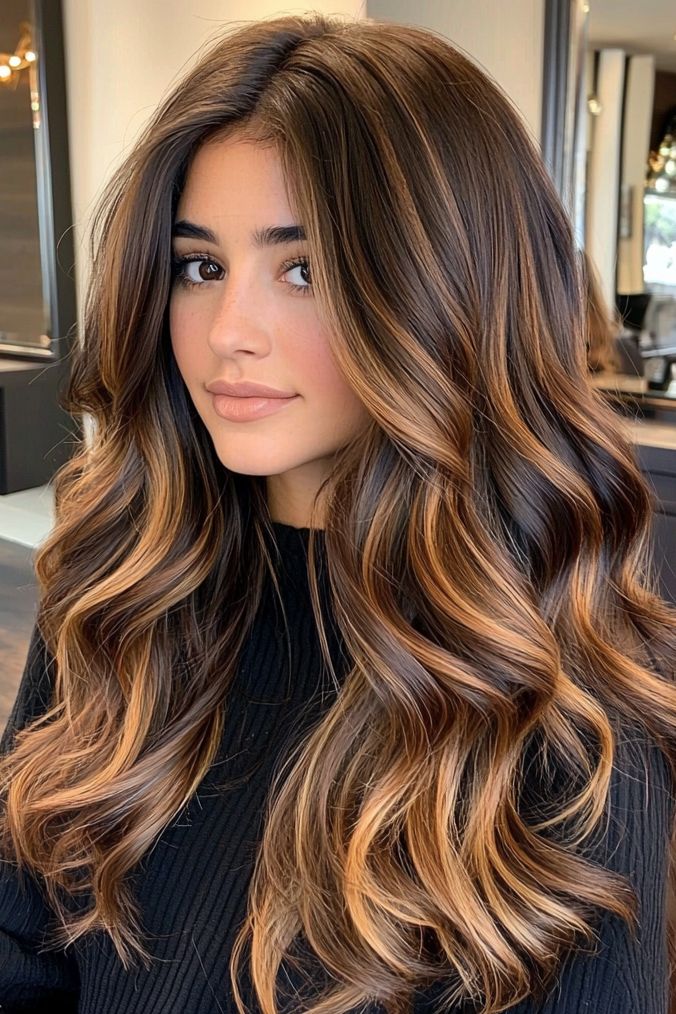
6. Dimensional Brunette Balayage For Natural Volume And Depth
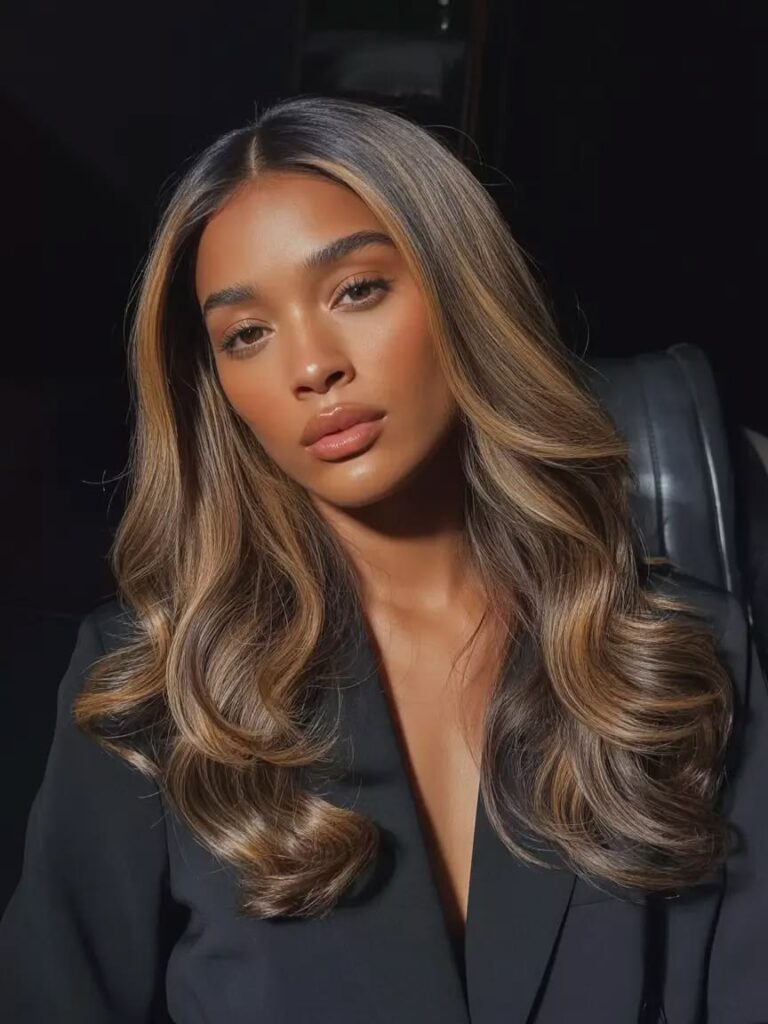
This is one of the most reliable options if you want visible change without pushing your hair into a high-maintenance or overly light direction. It keeps your natural brunette base intact while building softness and depth through subtle tonal variation.
Who It Flatters:
This works best for women over 30 with natural brown or dark brown hair who feel their hair looks flat, heavy, or lacks movement. It’s especially helpful if you’ve tried going lighter before and felt it made your hair look thinner or more fragile instead of fuller.
Why It Helps Thin Hair Look Fuller:
Dimensional brunette balayage uses multiple shades of brown, slightly lighter and slightly deeper, to create visual layering. Instead of one solid tone that can make fine hair look “flat against the head,” the variation creates shadows and light reflections that mimic natural density.
This is why it’s one of the most effective styles in summer balayage for women over 30 who want fullness without dramatic bleaching. The result is movement that doesn’t rely on brightness alone, but on depth.
Maintenance Level:
Low. Because the base stays close to your natural color, regrowth is soft and forgiving. A gloss or tone refresh every 8–12 weeks helps maintain richness and prevents the color from fading too flat.
Tones To Avoid:
Avoid overly light blonde pieces that break the brunette base, as they can make fine hair look separated. Also avoid overly ashy browns that can flatten the overall look and reduce warmth and dimension.
Skin Tone Suitability:
- Warm undertones: Rich chocolate and soft caramel-infused brunettes enhance warmth naturally.
- Cool undertones: Neutral or cool brown blends work best to maintain balance without looking too warm.
This is a quiet, structured balayage approach, it doesn’t scream for attention, but it changes how full and textured your hair looks in everyday light.
Summer Balayage Mistakes That Can Make Thin Hair Look Worse
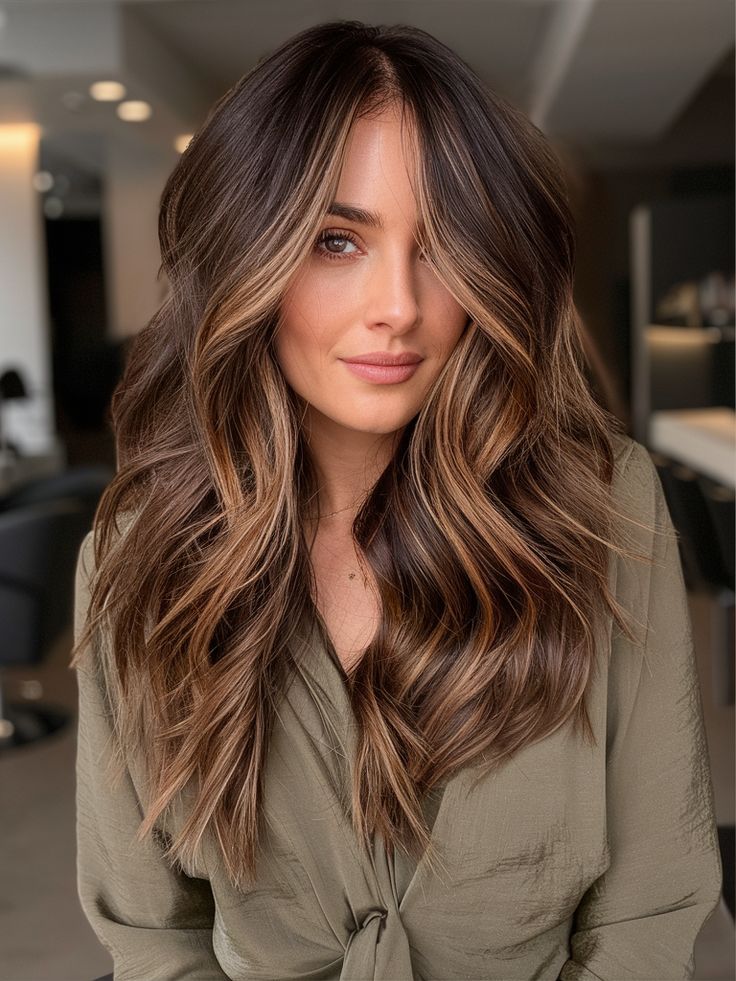
This isn’t about discouraging balayage, it’s about helping you spot the choices that quietly make fine or thinning hair look less full.
-
Going Too Blonde Too Quickly
One of the most common mistakes is rushing into very light blonde in one session. When hair is fine or already fragile, over-bleaching can weaken the strand structure and make the ends feel even more delicate.
Bright blonde can also create a stronger contrast against the scalp, especially if hair density is low. Instead of looking fuller, the hair can start to look more transparent in certain lighting, which is usually the opposite of what you want.
-
Chunky Balayage Placement
Another issue is placement that is too heavy or too blocky. When light sections are painted in thick, obvious streaks, the hair can start to look separated instead of blended.
On fine hair, this separation is what creates the illusion of uneven density. Instead of soft movement, you get visible gaps between color sections, which can make the overall look feel thinner and less natural.
-
Over-Toning With Icy Ash Shades
Cool, icy tones can look very stylish in photos, but they don’t always work well on fine or flat hair in real life. When the tone is too ashy or overly cool, it can remove warmth and softness from the hair.
Without that softness, hair often reflects less light and can appear flatter or more “lifeless,” especially in natural daylight. A bit of warmth or neutral balance usually helps the hair look more dimensional and soft.
-
Ignoring Haircut Structure
Color alone can’t fully fix a lack of volume. If the haircut underneath is too heavy or shapeless, even the best balayage won’t create the fullness effect you’re expecting.
Blunt ends can sometimes work well for density, while soft layering can help create movement—but the key is balance. The structure of the cut should support the color, not fight against it. When both work together, the hair naturally looks fuller and more intentional.
You might also enjoy refreshing your look with Spring Hairstyle Ideas You Will Fall in Love With This Season.
How to Keep Summer Balayage From Making Thin Hair Dry or Stringy
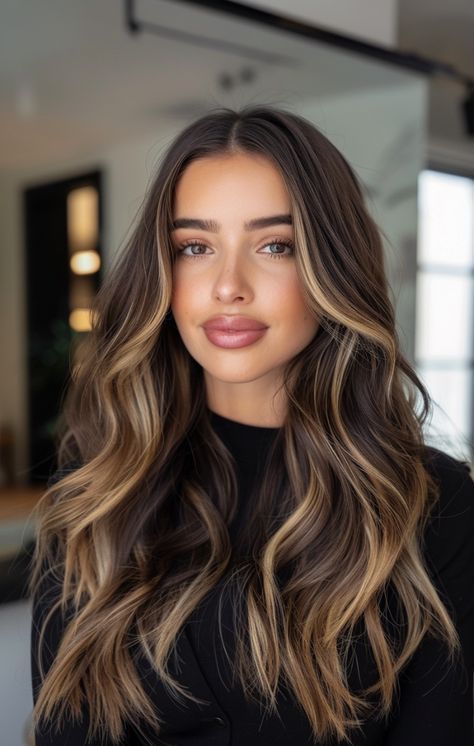
Even a well-done balayage doesn’t maintain itself. What you do after the salon matters just as much, because the wrong routine can slowly take your hair from soft and full-looking to dry, fragile, and visibly thinner over time.
1. Use Lightweight Moisture, Not Heavy Oils
Fine hair needs hydration, but not weight. Heavy oils and thick creams can easily sit on the hair and drag it down, which makes strands look flatter and less airy.
Instead, lightweight leave-in conditioners or water-based serums help keep the hair soft without sacrificing movement. The goal is moisture that supports bounce, not products that collapse volume.
2. Purple Shampoo Can Over-Dull Fine Hair
Purple shampoo is helpful for controlling brassiness, but using it too often can be a problem for finer strands. It can sometimes leave the hair looking overly cool, slightly dull, or even chalky if overused.
For fine hair, it’s better to use it sparingly and always follow with a nourishing conditioner to restore softness and shine. Balance is what keeps the color looking fresh, not overly corrected.
3. Heat Protection Matters More After Balayage
Once the hair is lightened, it becomes more vulnerable to heat damage. This is especially important for fine hair, where damage shows up faster as dryness and breakage.
Using a heat protectant before styling helps preserve both the health of the strands and the smoothness of the balayage tones. Without it, hair can start to look rough, which reduces the visual fullness you’re trying to maintain.
4. Protein Overload Can Make Fine Hair Stiff
Protein treatments are often recommended for damaged hair, but too much protein can make fine hair feel stiff and rigid instead of soft and flexible.
When hair loses flexibility, it doesn’t move naturally, and that lack of movement can make it appear even thinner. Fine hair usually needs a balance of moisture and light strengthening, not constant protein-heavy products.
5. Trims Protect The Illusion Of Fullness
Split ends and uneven lengths can quickly make fine hair look more sparse. Even if your balayage is fresh, frayed ends can take away from the overall density effect.
Regular trims help keep the ends blunt, clean, and fuller-looking. It’s not about cutting a lot off, it’s about maintaining a shape that supports volume and keeps the hair looking intentional rather than thin or lightly layered.
Conclusion
The right summer balayage for women over 30 is really about choosing softness, depth, and placement that work with fine hair instead of fighting it. When done well, it adds the look of fullness without needing a dramatic change.
If you’re ready to try it, save your favorite ideas and show them to a stylist who understands fine or thinning hair. The details make all the difference.
FAQs
How Long Does Balayage Take On Fine Hair?
Balayage timing depends on your hair length, density, and how much lifting is needed. For fine hair, it usually takes less time than thicker hair because there is less sectioning required. On average, a session can take 2 to 3 hours, but more complex color correction or very dark bases may take longer. The focus is not speed, but careful placement to avoid over-processing delicate strands.
Can I Get Balayage If My Hair Is Already Damaged?
Yes, but it needs a cautious approach. If your hair is already dry or weakened, a stylist may recommend a gradual balayage process instead of a full lightening session. This means adding subtle dimension over time instead of lifting too much in one appointment. The goal is to improve appearance without increasing breakage or dryness.
Does Balayage Work On Very Short Hair?
It can work on short hair, but the effect is more subtle. On pixie cuts or very short bobs, balayage is usually placed around the top layers and edges to add softness and shape. The shorter the hair, the more important precision becomes, because there is less length for color blending.
Will Balayage Change My Natural Hair Texture?
Balayage itself does not change your hair texture, but the lightening process can slightly affect how your hair feels. Fine hair may feel a bit drier or lighter after coloring because the cuticle has been lifted. Proper care and hydration help maintain its natural softness and movement.
Can I Go Back To My Natural Color After Balayage?
Yes, but it doesn’t happen instantly. Growing it out is the most natural option, and many people choose lowlights or gloss treatments to blend the transition. A full return to your natural shade may require color correction depending on how light the balayage was initially.
Why Does My Balayage Look Different Indoors And Outdoors?
Lighting plays a huge role in how balayage appears. Natural sunlight brings out contrast and dimension, while indoor lighting can make tones look softer or more muted. This difference is normal and expected, especially with multi-tonal color techniques.